Introduction: The Power of Color Underfoot
Hardwood floors: a timeless foundation for any home, representing a significant investment in both aesthetics and property value. But beyond the species of wood and plank dimensions lies a crucial design decision – color. The right hardwood floor color can dramatically impact the feel of a room, influencing perceived spatial dimensions, the diffusion of light, and the overall style and ambiance. Selecting hardwood floor colors is more than just picking a visually appealing shade; it’s about understanding how color interacts with light, complements existing décor, and aligns with the homeowner’s lifestyle.
This comprehensive guide provides a room-by-room exploration of choosing the perfect hardwood floor color, taking into account the interplay of light, color psychology, evolving design trends, and practical considerations for hardwood floor maintenance, empowering homeowners to make informed decisions. Consider the transformative power of wood floor stain colors in home remodeling projects. A shift in flooring color can revitalize an entire space, offering a cost-effective alternative to complete renovations. For instance, a dark, dated floor can be sanded and refinished with a lighter stain, instantly brightening the room and creating a more modern aesthetic.
DIY enthusiasts can tackle smaller flooring projects, while larger undertakings may benefit from professional installation to ensure a flawless finish. Understanding the nuances of different wood species and their reaction to various stains is crucial for achieving the desired outcome. Exploring different flooring options during the remodeling phase allows homeowners to tailor their living spaces to their precise needs and preferences. Ultimately, selecting the best hardwood floor color involves balancing personal preferences with practical considerations.
Factors such as the amount of natural light, the size of the room, and the existing color palette should all be taken into account. This room-by-room flooring guide will delve into specific color recommendations for different areas of the home, providing actionable insights and expert advice to help homeowners create spaces that are both beautiful and functional. We’ll also address concerns about wood floor fading and offer practical tips for maintaining the color and luster of your hardwood floors for years to come, ensuring your investment remains a source of pride and enjoyment.
Understanding Light and Color Psychology
The perception of color is subjective and heavily influenced by light, a critical consideration when selecting hardwood floor colors. Natural light, with its warm tones in the morning and cooler hues in the afternoon, will subtly shift the appearance of your hardwood floors throughout the day, impacting the overall interior design. Artificial light, particularly LED lighting prevalent in home remodeling projects, can also alter color perception. Warm white bulbs will enhance the warmth of wood floor stain colors, while cool white bulbs can make them appear more muted or even slightly gray.
Before committing to a color, observe samples in your rooms at different times of day and under various lighting conditions. Consider this a crucial step in your room-by-room flooring guide. The orientation of the room is equally important. South-facing rooms receive the most sunlight, which can wash out certain hardwood floor colors over time, necessitating a more durable finish and potentially influencing your choice towards lighter, more reflective shades. North-facing rooms, conversely, tend to be cooler and darker, and benefit from warmer tones to create a more inviting ambiance.
This interplay of light and orientation is a fundamental principle in interior design, directly impacting how the best hardwood floor color is perceived and experienced. Furthermore, the ‘Color Psychology Guide’ highlights how colors evoke specific emotions, a factor DIY enthusiasts and home improvement professionals alike should consider. Warm tones like reds and yellows create a cozy and inviting atmosphere, ideal for living rooms and bedrooms. Cooler tones like blues and grays promote a sense of calm and serenity, often favored for bedrooms or home offices.
Even the undertones within wood floor stain colors – whether warm, cool, or neutral – can subtly influence the mood of a space. Understanding these psychological effects allows for a more deliberate and impactful flooring choice. Finally, consider the long-term implications for hardwood floor maintenance and the potential for wood floor fading. Darker stains, while dramatic, tend to show scratches and dust more readily than lighter options. Moreover, prolonged exposure to direct sunlight can cause certain stains to fade or yellow over time. Selecting a high-quality finish with UV inhibitors is crucial for preserving the integrity of your chosen hardwood floor colors and ensuring that your investment in flooring options retains its beauty for years to come. Keeping abreast of hardwood flooring trends while prioritizing durability and light resistance is key to a successful home remodeling project.
Room-by-Room Color Recommendations
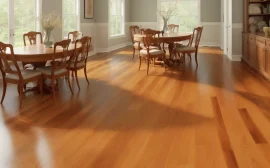
Each room serves a different purpose and requires a unique ambiance, a principle fundamental to both interior design and home remodeling. Selecting the best hardwood floor color requires careful consideration of these individual needs. Living rooms, as central gathering spaces, often benefit from warm and inviting hardwood floor colors. Medium-toned browns, such as walnut or cherry, create a sense of comfort and sophistication. For a modern aesthetic, consider lighter, neutral tones like maple or even a greige wash, drawing inspiration from current ‘Greige Color: Decor Guide to the Best Greige Paint Colors’.
This provides a versatile backdrop for various furniture styles and color palettes. As a rule of thumb, if the living room is small, lighter hardwood floor colors will help to visually expand the space. According to the National Association of Realtors, homes with updated flooring, particularly hardwood, see a significant increase in perceived value, making this a worthwhile home improvement project. Bedrooms are sanctuaries designed for rest and relaxation, demanding a different approach to flooring options.
Lighter, cooler tones like blonde woods or soft grays can promote a sense of calm and tranquility, aligning with principles of color psychology often employed in interior design. Avoid overly dark wood floor stain colors, which can make the room feel smaller and more closed-off. Thoughtfully consider the existing wall color and furniture; the hardwood floor should complement, not compete with, these elements. When planning a bedroom remodel, remember that cohesive design contributes significantly to the overall ambiance and resale value.
Kitchens are high-traffic areas that demand durable and easy-to-clean flooring. Medium-toned browns and grays are practical choices that can hide dirt and scratches, making them ideal for this space. The kitchen style (modern, traditional, rustic) will also influence the color selection. A modern kitchen might benefit from a sleek gray floor, reflecting current hardwood flooring trends, while a rustic kitchen could embrace a warm, distressed brown. Beyond aesthetics, remember that proper sealing and hardwood floor maintenance are crucial in kitchens to combat moisture and spills, preventing potential wood floor fading.
Hallways often connect different rooms, so the hardwood floor color should create a seamless transition, a key consideration in interior design. Neutral tones like oak or maple are versatile choices that can complement a variety of styles. In narrow hallways, lighter colors can help to brighten and widen the space, enhancing the sense of flow throughout the home. When undertaking a DIY flooring project in a hallway, precise measurements and careful installation are essential for a professional-looking result. A well-chosen hardwood floor color in a hallway can significantly enhance the overall appeal of your home’s interior.
Trends and Coordination: Balancing Style and Timelessness
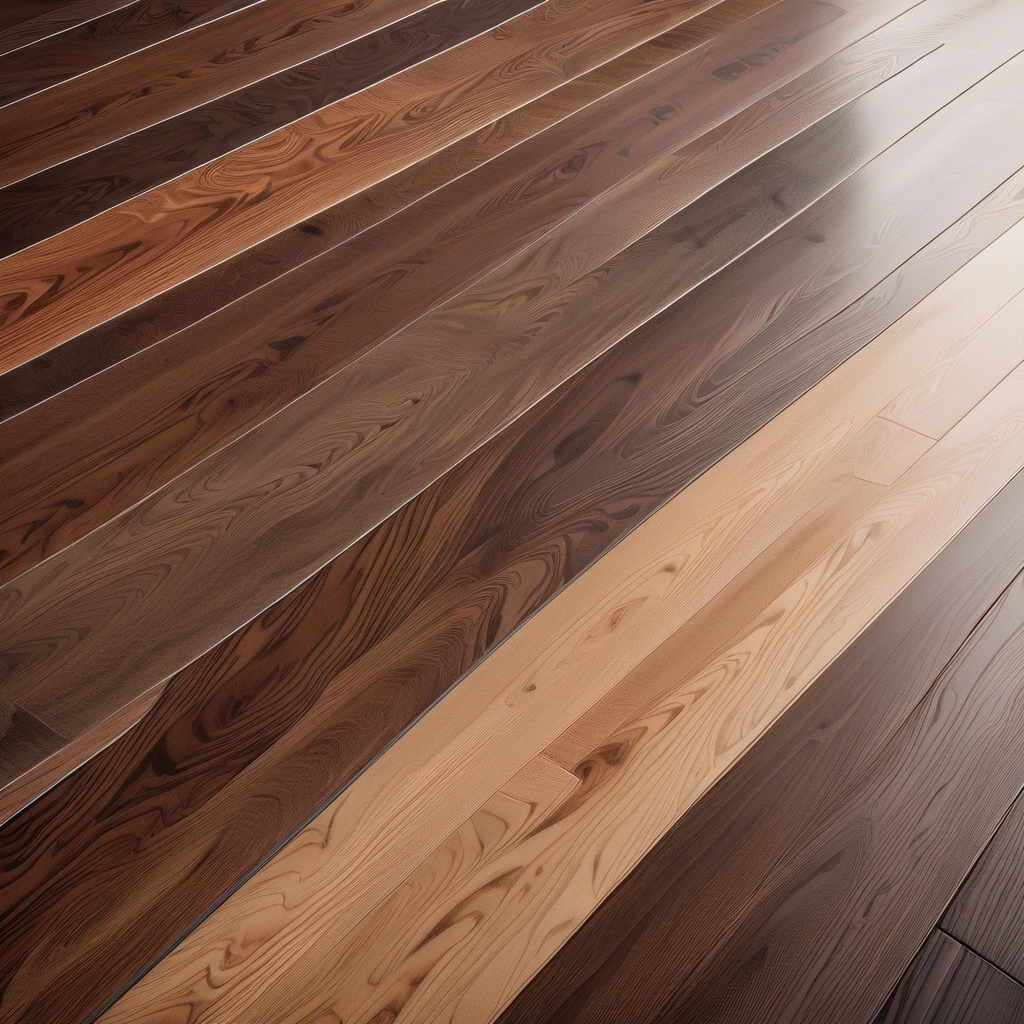
Hardwood flooring trends are constantly evolving, but some options remain timeless, a crucial consideration for any home remodeling project. Gray tones have gained popularity in recent years, offering a modern and sophisticated look that aligns well with minimalist interior design schemes. Blonde woods, such as white oak and maple, are also trending, providing a light and airy feel, ideal for smaller spaces or rooms with limited natural light. Dark stains, like ebony or jacobean, create a dramatic and luxurious ambiance, often favored in formal dining rooms or studies.
However, classic options like medium-toned oak and walnut remain perennially popular for their versatility and warmth, making them a safe bet for homeowners undertaking DIY flooring projects. When selecting hardwood floor colors, remember that resale value is also a factor; classic choices tend to have broader appeal. When coordinating hardwood floor colors with existing elements, consider the undertones of your furniture and wall colors. Warm-toned furniture pairs well with warm-toned floors, creating a cohesive and inviting space.
Conversely, cool-toned furniture complements cool-toned floors, resulting in a more contemporary and serene aesthetic. Pay attention to architectural details, such as trim and molding, and choose a hardwood floor color that harmonizes with these elements. For example, if you have white trim, a lighter hardwood floor color will create a clean and contemporary look, while darker floors can provide a striking contrast. Consider the existing hardware finishes in your home as well; brushed nickel or chrome hardware often pairs beautifully with cooler-toned wood floor stain colors.
Beyond aesthetics, practical considerations play a significant role in choosing the best hardwood floor color. Lighter floors tend to show less dust and pet hair, making them a practical choice for busy households. Darker floors, while elegant, can highlight imperfections and require more frequent cleaning. The finish applied to the wood also impacts its durability and maintenance requirements. Matte finishes are more forgiving and hide scratches better than high-gloss finishes. Ultimately, the best hardwood floor color is one that complements your personal style, enhances your home’s architecture, and fits your lifestyle. Remember to obtain samples of different wood floor stain colors and observe them in your home’s lighting conditions before making a final decision. This room-by-room flooring guide emphasizes the importance of considering each space’s unique needs and characteristics when selecting hardwood flooring options.
Maintaining Color and Preventing Fading
Maintaining the vibrancy of your chosen hardwood floor colors is paramount to preserving both the aesthetic appeal and the long-term value of your investment. Direct sunlight is a notorious culprit when it comes to wood floor fading, acting as a bleaching agent that can significantly alter the tone and intensity of your stain over time. Mitigating this risk involves proactive measures such as strategically positioning furniture to minimize direct exposure, utilizing window treatments like curtains, blinds, or UV-filtering films, and even considering the orientation of your rugs.
Remember that darker stains tend to show fading more prominently than lighter, natural finishes, making sun protection even more crucial for those dramatic ebony or jacobean floors. Understanding the interplay between light and your chosen best hardwood floor color is a key aspect of hardwood floor maintenance. Beyond sunlight, everyday wear and tear can gradually erode the finish protecting your hardwood floors, leading to discoloration and damage. High-traffic areas, in particular, are susceptible to scratches, scuffs, and the accumulation of dirt and grime, all of which can dull the original color and luster.
Regular cleaning with a pH-neutral cleaner specifically formulated for hardwood is essential, as harsh chemicals or abrasive cleaners can strip the finish and accelerate fading. Moreover, strategically placed area rugs not only add visual interest and define spaces within your room-by-room flooring guide, but also serve as a protective barrier, minimizing direct contact with the floor and reducing the impact of daily foot traffic. Proactive care is essential to maintaining your wood floor stain colors.
As part of any comprehensive home remodeling project involving hardwood floors, consider the long-term maintenance implications. While some damage is inevitable, professional refinishing every 7-10 years can revitalize your floors, restoring their original color and sheen. This process involves sanding down the existing finish, addressing any imperfections, and applying a fresh coat of stain and protective sealant. When selecting new hardwood flooring options, research products with enhanced UV protection or consider lighter, more fade-resistant stains. Staying informed about hardwood flooring trends and consulting with interior design professionals can help you choose a flooring solution that not only complements your style but also withstands the test of time. Regular maintenance, combined with informed choices during installation and refinishing, will ensure that your hardwood floors remain a beautiful and enduring feature of your home.