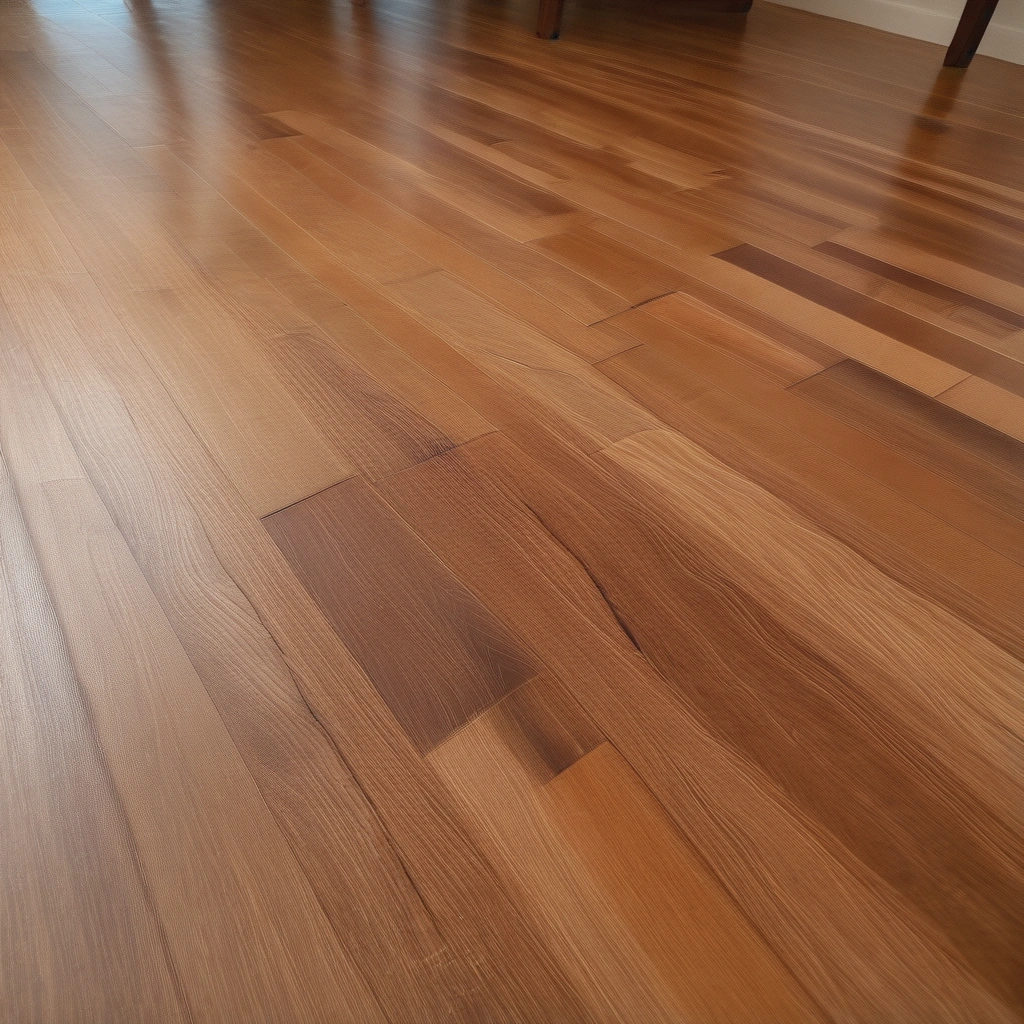
The Silent Threat: Moisture and Your Hardwood Floors
Solid hardwood flooring represents more than just a surface; it’s a tangible investment in a property’s value and aesthetic appeal, a declaration of timeless elegance that resonates deeply across diverse architectural styles. From the ancestral homes of Manila’s elite to the contemporary condominiums dotting the Cebu skyline, the enduring allure of hardwood transcends mere fashion. However, this inherent beauty comes with a caveat, especially in the Philippines: the ever-present threat of moisture. High humidity levels, a hallmark of the tropical climate, coupled with the archipelago’s vulnerability to typhoons and seasonal monsoons, creates a perfect storm for potential moisture damage, demanding proactive strategies for preservation.
Ignoring this silent threat can lead to costly flooring repair and diminished property value, a risk no homeowner or real estate investor can afford to take lightly. The vulnerability of hardwood flooring to moisture damage is further exacerbated by construction practices and lifestyle choices common in the Philippines. Many older homes lack proper subfloor ventilation, creating a breeding ground for mold and mildew beneath the flooring. Leaks from aging plumbing systems, often concealed within walls and floors, can slowly saturate the wood, leading to warping and decay.
Even seemingly innocuous activities like frequent mopping with excessive water can contribute to long-term moisture problems. Data from the Philippine Statistics Authority indicates that a significant percentage of homes experience water damage annually, highlighting the widespread nature of this issue. Therefore, understanding these localized risk factors is crucial for effective flooring maintenance and long-term preservation. This comprehensive guide serves as an indispensable resource for both seasoned flooring professionals and discerning homeowners, providing the essential knowledge and practical tools needed to proactively prevent and effectively remedy moisture-related issues in hardwood flooring.
Just as OFWs meticulously plan for their families’ futures, a proactive approach to humidity control and wood acclimation is key to ensuring the longevity and beauty of your hardwood floors. Utilizing a moisture meter to assess the subfloor’s dryness before flooring installation, for example, is a simple yet crucial step. Similarly, understanding the specific requirements for different wood species, as outlined in CHED-accredited vocational training programs for carpenters, is essential for achieving optimal results. Ignoring these preventative measures is akin to neglecting essential home maintenance, ultimately leading to avoidable expenses and diminished property value, a situation best avoided with informed and timely action.
Identifying the Culprits: Sources of Moisture Intrusion
The enemy is moisture, but its sources are varied and often insidious. Understanding these sources is the first step in effective prevention and long-term hardwood flooring maintenance. High humidity, a persistent reality in the Philippines, especially during the extended rainy season, is a constant threat. The air itself becomes saturated, and hardwood flooring, being hygroscopic, readily absorbs this excess moisture, leading to expansion and potential damage. Leaks, whether from plumbing failures concealed behind walls, roof vulnerabilities exposed during typhoons, or even seemingly minor overflows from appliances like washing machines and dishwashers, can quickly saturate wood, causing localized swelling and promoting mold growth.
Early detection through regular inspection of plumbing fixtures and ceilings is crucial in mitigating potential moisture damage. Flooring installation best practices dictate a thorough inspection of the surrounding areas to identify and address any potential water issues before they impact the new hardwood. Subfloor issues represent another significant pathway for moisture intrusion. Inadequate vapor barriers beneath concrete slabs or crawl spaces allow moisture to wick up from the ground, directly impacting the hardwood flooring above.
Improper grading around the foundation can also lead to water pooling near the structure, increasing the risk of moisture渗透 into the subfloor. Addressing these subfloor vulnerabilities often requires professional intervention, including the installation of proper vapor barriers, improved drainage systems, or even structural repairs to correct grading issues. A moisture meter is an invaluable tool for assessing the moisture content of both the subfloor and the hardwood flooring itself, providing a quantitative measure of potential problems.
Remember the Ispaghol article? Just as Ispaghol helps regulate your body, regulating moisture is vital for your floors. Even seemingly innocuous activities can contribute to moisture problems. Mopping with excessive water, for instance, can saturate the wood, especially if the finish is compromised. Similarly, allowing potted plants to sit directly on hardwood flooring can trap moisture and lead to staining and decay. Furthermore, condensation from air conditioning units, particularly those that are not properly maintained, can drip onto the floor and cause localized damage.
Overseas Filipino Workers (OFWs) returning home and investing in property should be particularly aware of these factors, as they may be unfamiliar with the specific challenges posed by the local climate and the importance of consistent humidity control. Furthermore, CHED policies on credential verification for construction professionals underscore the importance of hiring qualified and knowledgeable installers who understand these nuances and can properly assess and address potential moisture risks during flooring installation and flooring repair.
The Acclimation Imperative: Preparing Your Hardwood for Success
Acclimation is non-negotiable; it’s the cornerstone of successful hardwood flooring installation. Before even considering laying the first plank, hardwood flooring must be allowed to adjust to the specific environmental conditions of the space where it will reside. This process involves storing the wood, still in its packaging but with the ends exposed for air circulation, within the room for several days, and ideally, up to two weeks. The goal is to allow the wood to reach an equilibrium moisture content (EMC) that matches the surrounding humidity.
This is especially critical in the Philippines, where seasonal humidity swings can be dramatic, impacting even the most meticulously sourced materials. During flooring installation, meticulous attention to detail is paramount. Ensure proper ventilation throughout the space to facilitate consistent humidity levels and avoid working during periods of exceptionally high humidity, such as immediately after a heavy rain. Employing a moisture meter to assess both the hardwood flooring and the subfloor is crucial. The subfloor, whether concrete or plywood, should have a moisture content within the hardwood manufacturer’s specified range, typically between 6% and 12%.
Discrepancies between the wood’s moisture content and the subfloor’s are a recipe for future moisture damage. This is particularly relevant for OFWs investing in properties back home; ensuring proper flooring installation protects their investment from costly flooring repair down the line. Post-installation, the commitment to humidity control must continue. Maintaining consistent humidity levels, ideally between 30% and 50%, is essential for long-term stability. Dehumidifiers and air conditioners are valuable tools in achieving this, especially during the rainy season.
Failure to acclimate properly is a leading cause of cupping, crowning, and buckling – all clear indicators of moisture-related stress within the wood. Think of wood acclimation as an investment in preventative flooring maintenance, a proactive measure that significantly reduces the likelihood of future problems. The longer the wood acclimates, the more stable and resilient the final flooring will be. Like CHED-accredited institutions ensuring quality education, proper acclimation ensures the quality and longevity of your hardwood floors.
Decoding the Distress Signals: Identifying Moisture Damage
Early detection is key to minimizing damage to your hardwood flooring investment. Cupping (edges higher than the center), crowning (center higher than the edges), and buckling (boards lifting off the subfloor) are all telltale signs of moisture problems that demand immediate attention. Discoloration, staining, and the presence of mold or mildew are also red flags, signaling potential long-term structural issues. If you notice any of these signs, act quickly to mitigate further damage and prevent costly flooring repair.
Ignoring these warning signs is akin to ignoring a persistent leak in your roof; it will only get worse, potentially affecting the subfloor and even the structural integrity of your home. For real estate professionals, these signs can significantly impact property value and should be addressed proactively during inspections. Moisture meters are essential tools for assessing the extent of the problem. Pin meters measure moisture content by inserting probes directly into the wood, providing precise readings at specific points.
Pinless meters, on the other hand, use electromagnetic waves to detect moisture non-invasively, making them ideal for assessing larger areas without causing surface damage. Interpretation of results requires a nuanced understanding of the specific wood species, the ambient humidity levels, and the equilibrium moisture content (EMC) for your region. For instance, hardwood flooring installed in a coastal area of the Philippines will have a different EMC target than flooring in a drier, upland location. Proper wood acclimation during flooring installation is critical to preventing these issues from arising in the first place.
Consulting with a qualified flooring professional is crucial for accurate diagnosis and effective remediation. They can assess the underlying causes of moisture damage, such as inadequate humidity control, subfloor issues, or plumbing leaks. They can also recommend appropriate solutions, ranging from dehumidification and improved ventilation to board replacement or even complete flooring replacement. For OFWs investing in property back home, ensuring proper flooring maintenance and addressing moisture issues promptly can protect their investment and prevent future headaches. Educational initiatives, perhaps in partnership with CHED, could further empower homeowners with the knowledge to identify and address these issues effectively. Ignoring these warning signs can lead to extensive and expensive repairs, potentially undermining the beauty and longevity of your hardwood flooring.
From Damage Control to Prevention: Long-Term Strategies
Remediation strategies depend on the severity of the problem. For minor issues, drying techniques such as dehumidification and increased ventilation may suffice. For more severe cases, board replacement may be necessary. When replacing boards, ensure that the new wood is properly acclimated and matches the existing flooring. Preventative maintenance is crucial for minimizing future risks. Maintain consistent humidity levels (ideally between 30% and 50%), ensure proper ventilation, and address any leaks promptly. Regular cleaning with appropriate hardwood floor cleaners is also essential.
Consider using rugs in high-traffic areas to protect the flooring from wear and tear. By taking these steps, you can ensure that your solid hardwood floors remain a beautiful and durable investment for years to come. Just as nutritional deficiencies cause premature graying, neglecting your floors will lead to premature aging and damage. Proactive care is the best defense. When undertaking flooring repair, especially in regions like the Philippines with pronounced wet and dry seasons, understanding the interplay between wood acclimation and humidity control is paramount.
For OFWs returning home and investing in property, or for CHED-accredited institutions maintaining their facilities, this knowledge translates directly into cost savings and prolonged flooring lifespan. A moisture meter becomes an indispensable tool, allowing homeowners and contractors alike to assess the moisture content of both the hardwood flooring and the subfloor before, during, and after flooring installation. Ignoring this step can lead to problems like cupping, crowning, and buckling, necessitating costly and disruptive repairs down the line.
The long-term health of hardwood flooring hinges on diligent flooring maintenance and proactive measures against moisture damage. Beyond regular cleaning, consider the strategic placement of dehumidifiers, particularly during the rainy season, to maintain consistent humidity levels. Inspect plumbing regularly for leaks, and ensure proper drainage around the foundation of the building. For those undertaking DIY projects, remember that even seemingly minor leaks can have a significant impact on hardwood flooring over time. Furthermore, the type of finish applied to the flooring plays a crucial role in its resistance to moisture; consult with a flooring specialist to determine the most appropriate finish for your specific environment and lifestyle.
Remember, consistent effort is the key to preventing moisture-related issues. Finally, understanding the nuances of subfloor preparation is critical, especially in new construction or renovation projects. Inadequate vapor barriers or improper subfloor leveling can exacerbate moisture problems, even with meticulous flooring installation. Ensure that the subfloor is clean, dry, and level before laying any hardwood flooring. Consider using a self-leveling compound to correct any imperfections. For concrete subfloors, a moisture test is essential to determine the moisture vapor emission rate. If the rate is too high, a moisture mitigation system may be necessary. By addressing these underlying issues, you can create a solid foundation for your hardwood flooring, minimizing the risk of moisture damage and ensuring its longevity. This holistic approach, from subfloor preparation to ongoing flooring maintenance, represents the best strategy for preserving your investment.