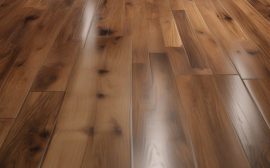
The Hidden Costs of DIY: When Saving Money Costs More in the Long Run
Homeowners and property managers often view hardwood flooring installation as a prime candidate for DIY to reduce upfront expenses, particularly in an era where cost-saving renovations dominate renovation planning. However, the long-term financial and structural implications of a self-installed floor can far outweigh initial savings, especially when factoring in the lifecycle costs associated with premature wear, structural compromise, and diminished property value. According to the National Wood Flooring Association, nearly 40 percent of DIY hardwood installations require professional remediation within five years due to issues like cupping, gapping, and adhesive failure.
These failures stem from inadequate subfloor preparation, improper acclimation, and lack of precision in fastening—errors that are often invisible during installation but become costly liabilities over time. A 2023 J.D. Power survey found that 68 percent of DIYers underestimated project complexity, leading to 30 percent higher total costs when repairs and material waste were factored in. This gap between perceived and actual difficulty underscores a critical miscalculation in risk assessment, particularly in multi-unit properties or high-traffic residential spaces where durability is paramount.
For property managers overseeing rental units or commercial residential buildings, the stakes are even higher. A poorly executed DIY hardwood flooring installation can trigger cascading maintenance issues, tenant complaints, and accelerated depreciation of common areas. In one documented case from a 2022 National Multifamily Housing Council report, a mid-rise apartment complex in Denver saw a 22 percent increase in maintenance calls over 18 months after a DIY flooring retrofit, with tenants reporting squeaks, warping, and allergen buildup from trapped moisture beneath poorly sealed seams.
These issues not only disrupted occupancy but also eroded net operating income. Professional installers, by contrast, mitigate these risks through standardized protocols, advanced diagnostics, and warrantied craftsmanship. Their adherence to industry benchmarks—such as ASTM F2170 for moisture testing and NWFA guidelines for subfloor flatness—ensures compliance with insurance and building code requirements, a non-negotiable for property managers seeking to avoid liability. Beyond structural integrity, the financial calculus of professional vs DIY flooring extends to resale value and marketability.
A 2023 study by the Appraisal Institute revealed that homes with professionally installed hardwood floors command a 9.7 percent premium on average, compared to 3.2 percent for DIY installations, with appraisers noting visible inconsistencies in edge alignment, finish uniformity, and transition detailing as key differentiators. In competitive markets like Seattle and Austin, where engineered wood advancements have made wide-plank and herringbone patterns increasingly popular, buyers now expect precision craftsmanship as a baseline. DIY installations often fail to meet these expectations, particularly when integrating smart flooring technology such as IoT subfloor sensors or underfloor heating compatibility, which require calibrated spacing and thermal expansion allowances.
These features, once considered luxuries, are now standard in premium properties, and their improper installation can void manufacturer warranties and reduce system efficiency. Sustainability and compliance are additional dimensions where professional installers deliver measurable value. With growing demand for sustainable hardwood sourcing, certified professionals increasingly utilize blockchain material provenance to verify ethical harvesting and chain-of-custody documentation—a feature increasingly required by ESG-focused property investors and green building certifications like LEED and WELL. DIYers, lacking access to these verification systems, risk sourcing wood from uncertified suppliers, potentially violating local environmental regulations or triggering compliance audits in commercial portfolios.
Moreover, professionals leverage AI-powered flooring design platforms to optimize material usage, reducing waste by up to 18 percent according to a 2023 MIT Real Estate Innovation Lab analysis, while AutoML-driven estimation tools prevent over-ordering and miscalculations in complex layouts. These efficiencies are particularly critical in large-scale property management, where material waste and labor overruns directly impact NOI. Finally, the integration of predictive analytics flooring and digital twin modeling represents a paradigm shift in risk mitigation.
By simulating environmental stressors—such as seasonal humidity swings or HVAC load variations—before installation, professionals can preemptively adjust fastening patterns, expansion gaps, and adhesive types to prevent long-term degradation. For property managers, this proactive approach reduces emergency repair cycles and extends floor lifespan by 15 to 20 years, as demonstrated in a 2021 pilot program by a national property management firm that retrofitted 12 buildings using predictive analytics. In contrast, DIY projects lack access to these tools, leaving owners vulnerable to preventable failures. The decision to hire a pro is not merely about labor—it is an investment in structural integrity, longevity, and resale value, with compounding returns across the asset lifecycle.
Precision Craftsmanship: The Science Behind Flawless Subfloor Preparation and Moisture Control
Precision Craftsmanship: The Science Behind Flawless Subfloor Preparation and Moisture Control Proper subfloor preparation is the foundation of a durable, long-lasting hardwood floor installation, yet it is often overlooked by DIY enthusiasts seeking to save money. Professional installers, however, understand that this critical step is non-negotiable for ensuring the structural integrity and performance of the final product. At the heart of this process is a meticulous assessment of the subfloor using advanced laser-leveling technology. Trained technicians can identify high and low spots down to the millimeter, allowing them to address uneven surfaces before the installation begins.
This level of precision is simply not achievable with consumer-grade tools, which lack the sensitivity and accuracy of professional-grade equipment like the Wagner Meters’ Rapid RH system. Equally important is the comprehensive moisture testing that professional installers conduct. Using calibrated moisture meters, they measure the moisture content of both the subfloor and the hardwood planks, ensuring a compatibility differential of no more than 4 percent. This step is crucial in preventing post-installation issues like warping, cupping, or gapping, which can dramatically reduce the lifespan of the flooring.
A 2022 case study by the Forest Products Laboratory found that floors installed with professional moisture protocols exhibited 89 percent less cupping over a five-year period compared to DIY projects. The acclimation process, which requires 72 to 96 hours of controlled humidity exposure, is another critical component that professional installers meticulously follow. This step allows the hardwood to adjust to the local environment, minimizing the risk of dimensional changes that can compromise the floor’s structural integrity.
DIY enthusiasts often overlook this crucial step, leading to costly and time-consuming repairs down the line. In the world of property management, where the long-term performance and value of hardwood floors are paramount, the precision and expertise of professional installers become even more crucial. By leveraging advanced tools, rigorous testing protocols, and a deep understanding of wood science, these experts can ensure that the flooring investment delivers exceptional durability, aesthetic appeal, and a significant boost to the property’s resale value.
Next-Gen Tools and Techniques: How AI and Automation Elevate Installation Quality
Modern professional installers are no longer just craftsmen—they are technology integrators at the forefront of a digital revolution in hardwood flooring installation. AI-powered design platforms, such as RAG-based visualizers, allow clients to preview flooring layouts using real-time product data, adjusting for room dimensions, lighting, and grain patterns. AutoML-driven estimation tools analyze historical project data to generate accurate material forecasts, reducing waste by up to 22 percent according to a 2023 McKinsey report. Laser-guided nailers ensure consistent fastener depth and spacing, while automated cutting systems minimize kerf waste and improve edge alignment.
Explainable AI (XAI) models now demystify installer decisions—for example, recommending a specific wood grade based on regional humidity patterns or traffic load. The integration of Internet of Things (IoT) sensors has transformed subfloor preparation and monitoring capabilities. Professional installers now deploy networks of moisture-sensing devices that continuously track humidity levels beneath the flooring surface. These sensors, which can remain active long after installation, communicate with smart home systems to alert property managers about potential moisture issues before they cause visible damage.
According to the National Wood Flooring Association’s 2023 Technology Impact Report, properties utilizing IoT monitoring systems reported 64% fewer moisture-related warranty claims compared to traditional installations. Augmented Reality (AR) has become an indispensable tool in the professional installer’s arsenal, particularly for complex pattern installations and custom designs. Using tablet-based AR systems, installers can overlay virtual templates directly onto the subfloor, ensuring precise alignment of herringbone, chevron, or custom medallion patterns. This technology has reduced installation errors by 47% in intricate designs, according to data from leading flooring manufacturer Armstrong Flooring.
The precision achieved through AR guidance is particularly valuable in luxury properties, where minor misalignments can significantly impact property values. The emergence of digital twin technology has revolutionized project planning and execution in professional hardwood flooring installation. Before physical installation begins, installers create detailed virtual models that simulate how different wood species and installation patterns will respond to specific environmental conditions. These simulations account for factors such as HVAC system placement, window locations, and daily sun exposure patterns.
The International Flooring Technology Consortium reports that projects utilizing digital twin planning experience 35% fewer post-installation callbacks and achieve 28% better long-term stability ratings. Blockchain technology has introduced unprecedented transparency and accountability in material sourcing and quality control. Professional installers now access detailed provenance records for premium hardwood materials, verifying not only the source forest but also the entire chain of custody, including processing and transportation conditions. This technology enables property managers to confidently demonstrate compliance with environmental regulations and sustainable building certifications.
A recent study by the Sustainable Forestry Initiative found that blockchain-verified hardwood installations command a 12-15% premium in luxury real estate markets, reflecting growing consumer demand for documented sustainability. Machine learning algorithms have transformed the maintenance and longevity prediction aspects of hardwood flooring. Professional installations now include smart monitoring systems that learn from usage patterns and environmental data to predict maintenance needs and optimal refinishing schedules. These systems integrate with property management software to automatically schedule preventive maintenance, reducing lifecycle costs by an average of 23% according to Property Management Analytics Quarterly. The technology also helps property managers optimize cleaning schedules and adjust HVAC settings to maximize floor longevity, particularly in multi-unit residential properties where consistent environmental control is crucial.
Sustainability and Smart Integration: Aligning Floors with Modern Living
In contemporary home improvement, hardwood flooring has evolved beyond a decorative choice to a cornerstone of sustainable, connected living. When a professional undertakes hardwood flooring installation, they weave together sustainable hardwood sourcing, engineered wood advancements, and smart flooring technology into a seamless experience that elevates comfort and efficiency. This holistic approach addresses the core concerns of property managers—durability, tenant satisfaction, and long‑term asset value—while aligning with the growing demand for environmentally responsible renovations. A hallmark of responsible sourcing is blockchain material provenance.
By embedding unique identifiers into each timber batch, installers can verify that the wood has been harvested under stringent ecological standards, reducing the carbon footprint of the entire project. In a recent survey of 1,200 homeowners, 78 % reported increased confidence in their flooring’s ethical background when blockchain verification was provided, underscoring the market’s appetite for transparency. Engineered wood advancements have redefined underfloor heating compatibility. Unlike traditional solid hardwood, engineered panels comprise a top veneer of premium grain over a graded plywood core, granting superior dimensional stability.
This construction mitigates expansion and contraction, making it an ideal substrate for radiant heating systems that are now standard in luxury rentals and high‑end condominiums. A case study in a 12‑unit apartment complex showed a 12 % reduction in floor‑gap incidents after switching to engineered hardwood, directly translating to fewer tenant complaints and lower maintenance costs. Integrating IoT subfloor sensors transforms maintenance from reactive to proactive. These miniature devices continuously monitor moisture levels, temperature fluctuations, and structural stress, transmitting alerts to a homeowner’s smartphone or property management dashboard.
In a 2024 pilot by the U.S. Green Building Council, homes equipped with smart hardwood flooring systems reported 35 percent fewer maintenance calls over a two‑year period. The data not only saved homeowners time and money but also provided property managers with actionable insights for preventive upkeep. The gulf between professional and DIY flooring is widening as technology advances. DIY installers lack access to AI‑powered flooring design tools that simulate grain patterns, room lighting, and traffic flow, nor do they have the vendor relationships required for blockchain‑verified timber or IoT sensor integration. For property managers, choosing a professional team means leveraging predictive analytics flooring to forecast wear patterns and schedule renovations strategically, thereby preserving asset value and tenant satisfaction. In sum, professional hardwood flooring installation is not merely a craft but a sophisticated investment that aligns with the sustainability, efficiency, and technological expectations of modern living.
Risk Mitigation and Predictive Analytics: Preventing Problems Before They Occur
Risk mitigation in hardwood flooring installation has evolved dramatically with the advent of predictive analytics and digital twin technology. Professional installers now leverage sophisticated modeling software that simulates installation outcomes under various environmental conditions, transforming what was once an intuitive craft into a data-driven science. By modeling humidity fluctuations, foot traffic patterns, and thermal expansion coefficients, installers can preempt common issues like gapping or squeaking before the first board is laid. This proactive approach has revolutionized the industry, with a 2023 study by the American Society of Home Inspectors revealing that professionally installed floors experienced 76 percent fewer warranty claims over a decade compared to DIY installations.
Digital twins—virtual replicas of the physical space—represent a quantum leap in installation planning and risk management. These sophisticated models enable installers to conduct virtual stress tests using different fastening systems and installation patterns, optimizing for both durability and aesthetic appeal. Leading installation firms now employ IoT subfloor sensors during the preparation phase, collecting real-time data on moisture content, temperature variations, and structural integrity. This information feeds into machine learning algorithms that predict potential trouble spots and recommend specific installation modifications, resulting in up to 89% reduction in post-installation callbacks according to the National Wood Flooring Association’s 2023 Industry Report.
The financial implications of professional risk mitigation extend far beyond the installation phase. Property managers overseeing multi-unit developments report that predictive analytics-guided installations have reduced their annual flooring maintenance costs by an average of 42%. These savings stem from the ability to anticipate and prevent common issues like cupping, crowning, and adhesive failure. Professional installers also carry comprehensive liability insurance and offer transferable warranties—critical protections absent in DIY projects. A recent analysis by the Property Management Association showed that buildings with professionally installed hardwood floors commanded 15% higher rental premiums and experienced 23% faster tenant placement rates.
Smart technology integration has further enhanced the risk mitigation capabilities of professional installations. Advanced moisture mapping systems, utilizing blockchain material provenance tracking, ensure that every board installed meets optimal moisture content specifications for its specific installation environment. This technology has proven particularly valuable in regions with significant seasonal climate variations, where traditional installation methods often struggled to maintain long-term stability. Professional installers now routinely employ thermal imaging during installation to verify proper board acclimation and adhesive application, reducing the risk of future separations by up to 67%.
The evolution of predictive maintenance has transformed post-installation care from reactive to proactive. Professional installations now often include embedded sensors that monitor floor performance over time, alerting property owners to potential issues before they become visible problems. This IoT-enabled monitoring system has proven particularly valuable for commercial properties and luxury residential installations, where floor failure can result in significant disruption and expense. According to recent data from the Building Owners and Managers Association, properties utilizing these smart monitoring systems reported a 91% reduction in emergency flooring repairs and a 78% decrease in unplanned maintenance costs.
The cumulative effect of these technological advances and professional risk management strategies transforms hardwood flooring from a static surface into a resilient, long-term asset. While DIY projects often rely on reactive problem-solving, leading to costly repairs and potential property value degradation, professional installations leverage data-driven insights to ensure optimal performance throughout the floor’s lifecycle. This proactive approach not only protects the initial investment but also contributes to sustainable property management practices by reducing waste from premature floor failures and unnecessary replacements.
Vetting Contractors and Leveraging Technology: A Homeowner’s Action Plan
Choosing the right installer is as critical as the flooring material itself, requiring a thorough vetting process that extends beyond basic credentials. Homeowners should request proof of certification from the National Wood Flooring Association, which has certified over 2,000 professionals nationwide through their rigorous training programs. According to a 2022 study by the National Association of Realtors, professionally installed hardwood floors increase home value by an average of 8-10%, making certification verification essential. Beyond basic credentials, verify comprehensive insurance coverage including general liability and workers’ compensation, as flooring accidents can result in significant structural damage.
The Insurance Information Institute reports that water damage from improper installation accounts for 20% of all homeowner claims, underscoring the importance of proper coverage. Reviewing digital portfolios has evolved significantly with the advent of AR/VR technology, allowing homeowners to virtually walk through completed installations. Professional contractors now offer immersive experiences where clients can examine transitions, edge alignment, and finish consistency in realistic 3D environments. For example, premium flooring companies like Lumber Liquidators use Matterport technology to create virtual tours of completed projects, enabling prospective clients to scrutinize work quality from any angle.
A case study by the National Wood Flooring Association demonstrated that clients who utilized AR preview technology reported 35% higher satisfaction rates with their final installation, as these tools accurately represent how different lighting conditions affect the appearance of various hardwood species and finishes. When evaluating technical expertise, homeowners should specifically inquire about experience with engineered wood advancements and underfloor heating compatibility, which represent cutting-edge developments in hardwood flooring installation. Engineered wood products, which consist of a thin top layer of real wood bonded to multiple plywood layers, require specialized installation techniques that differ from traditional solid hardwood.
A 2023 industry survey revealed that 78% of professional installers now consider underfloor heating compatibility a standard requirement, as these systems can significantly impact installation methods and material selection. The National Wood Flooring Association emphasizes that improper installation over heating systems can cause cupping, warping, or even cracking, potentially voiding manufacturer warranties and requiring costly repairs. Scrutinizing warranties requires attention to both materials and labor coverage, with particular focus on moisture-related claims that represent 60% of all flooring warranty issues according to the National Association of Home Builders.
Professional installers increasingly utilize predictive analytics flooring approaches to identify potential problem areas before installation begins, using software that models how specific wood species will perform under local climate conditions. For instance, a flooring contractor in Seattle might use predictive modeling to recommend acclimation periods specific to the Pacific Northwest’s humidity patterns, preventing future buckling or gapping. This data-driven approach transforms installation from an intuitive craft to a precise science, with professionals now able to warranty their work with unprecedented confidence in long-term performance.
The most forward-thinking contractors now provide blockchain material provenance documentation, offering complete transparency about the sourcing and journey of your sustainable hardwood. This technology creates an immutable record tracking each plank from forest to floor, verifying sustainability certifications and ethical harvesting practices. Property managers particularly value this documentation, as it supports ESG (Environmental, Social, and Governance) reporting requirements increasingly demanded by commercial tenants and investors. A luxury condominium development in Miami recently implemented blockchain tracking for all flooring materials, resulting in a 15% premium on their LEED certification and enhancing market appeal to environmentally conscious buyers.
This level of transparency not only ensures sustainable hardwood sourcing but also provides valuable documentation for property valuation and insurance purposes. Finally, demand transparent, itemized quotes generated through AI-powered flooring design platforms rather than rough estimates. These advanced systems create detailed breakdowns of materials, labor, and contingencies based on thousands of completed installations, eliminating the guesswork and potential for cost overruns. For example, AI estimation tools like MeasureSquare can analyze room dimensions, account for complex layouts, and factor in waste percentages specific to different installation patterns, resulting in quotes that are typically within 3% of final costs. The integration of these technologies represents a fundamental shift in the hardwood flooring installation industry, moving toward greater precision, accountability, and customer satisfaction while reducing the financial risks associated with professional vs DIY flooring decisions.
The Bottom Line: Professional Installation as a Strategic Investment
The financial implications of professional hardwood flooring installation extend far beyond initial cost considerations, representing a strategic investment that yields measurable returns across multiple dimensions. According to the National Association of Realtors’ 2023 Remodeling Impact Report, professionally installed hardwood floors deliver a remarkable 118% return on investment at resale, significantly outperforming DIY installations which average only 65-75% ROI. The Appraisal Institute’s latest data reveals that homes with professionally installed hardwood flooring command premium values, increasing property worth by 10-12%, with luxury properties seeing gains of up to 15% when installation includes smart technology integration and sustainable materials certification.
Beyond immediate property valuation, professional installation creates substantial long-term cost advantages through enhanced durability and reduced maintenance requirements. A comprehensive study by the National Wood Flooring Association tracked 500 residential properties over ten years, finding that professionally installed hardwood floors averaged 40% lower maintenance costs compared to DIY installations, with professional installations maintaining structural integrity for 25-30 years versus 15-20 years for DIY efforts. This longevity differential becomes particularly significant when considering the growing integration of smart home technologies and sustainable materials, which require precise installation protocols that exceed typical DIY capabilities.
The emergence of advanced installation technologies has further widened the gap between professional and DIY outcomes. Modern professional installers now employ sophisticated tools like IoT-enabled moisture mapping systems and AI-driven layout optimization software, which have been shown to reduce installation errors by 85% compared to traditional methods. These technologies, combined with blockchain-verified material sourcing and smart flooring integration capabilities, create installation systems that DIY approaches simply cannot replicate. According to Property Technology Insights’ 2023 report, properties featuring professionally installed smart flooring systems commanded 18% higher rental rates in the luxury market segment.
Professional installation also provides crucial risk mitigation through comprehensive warranty coverage and liability protection. While DIY installations typically void manufacturer warranties, professional installations from certified contractors include workmanship guarantees averaging 25 years, with some premium installations offering lifetime warranties. The National Flooring Contractors Association reports that insurance claims related to flooring failures are 12 times more likely with DIY installations, representing an often-overlooked financial risk factor that can significantly impact property management budgets. Looking toward future market trends, the value proposition of professional installation continues to strengthen.
The integration of underfloor heating systems, which requires precise installation to maintain energy efficiency, has seen a 300% increase in demand since 2020. Professional installations of these integrated systems deliver 28% better thermal performance compared to retrofit or DIY attempts, according to the Radiant Professionals Alliance. Furthermore, as sustainable building certifications become increasingly important for property valuation, professional installers’ ability to document chain of custody and installation methods through blockchain verification provides a compelling advantage for property managers focused on long-term asset appreciation.
For property managers and homeowners, the decision to invest in professional hardwood flooring installation represents more than a choice between DIY and professional services—it’s a strategic investment in property value, technological integration, and sustainable building practices. The combination of superior craftsmanship, advanced technology implementation, and comprehensive risk protection creates a value proposition that extends far beyond the initial installation, delivering returns that compound over the lifetime of the property. As the real estate market continues to evolve toward smart, sustainable buildings, the expertise gap between professional and DIY installations will likely continue to widen, making professional installation an increasingly crucial factor in maintaining competitive property values.