Introduction: The Enduring Allure of Hardwood Floors
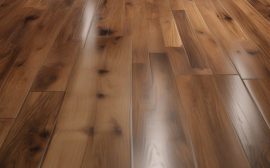
Hardwood floors have long been a hallmark of elegance and sophistication in homes across the globe, representing a confluence of timeless beauty, exceptional durability, and remarkable versatility. As we enter 2024, this classic flooring option continues to captivate homeowners, designers, and real estate professionals alike, offering an unmatched combination of aesthetic appeal and practical benefits that transcend passing trends. From historic brownstones in New York to modern sustainable homes in California, hardwood floors remain a testament to enduring quality and refined taste in residential architecture.
The allure of hardwood flooring extends far beyond its surface beauty, tapping into deep-seated cultural associations with craftsmanship and luxury. According to the National Wood Flooring Association, homes with hardwood floors have consistently commanded premium prices in the real estate market, with a recent survey indicating that 90% of real estate agents believe properties with hardwood flooring sell faster and at higher prices than comparable homes with other flooring types. This enduring preference reflects not just aesthetic considerations, but also practical insights about long-term value and investment potential.
In an era increasingly defined by environmental consciousness and sustainable living practices, hardwood floors occupy a unique position at the intersection of luxury and ecological responsibility. When sourced from certified sustainable forests, hardwood flooring represents a renewable resource that can actually help combat climate change by sequestering carbon throughout its lifetime. Leading environmental architects and designers increasingly advocate for hardwood as a key component of sustainable home design, noting its potential to last for generations while maintaining its inherent beauty and structural integrity.
The versatility of hardwood floors in interior design cannot be overstated, as they serve as a foundational element that can complement any architectural style or decorative scheme. From the warm, rustic charm of wide-plank pine in farmhouse-style homes to the sophisticated elegance of herringbone-patterned oak in urban apartments, hardwood flooring provides a canvas for creative expression while maintaining its characteristic warmth and natural beauty. Interior designers regularly cite hardwood’s ability to bridge different design elements and create cohesive spaces that feel both grounded and sophisticated.
The integration of modern technology with traditional hardwood flooring has opened new frontiers in home improvement and smart living. Advanced manufacturing techniques now produce engineered hardwood floors with enhanced stability and durability, while innovative finishing processes offer unprecedented protection against wear and tear. Smart home systems can now monitor floor temperature and humidity levels, helping homeowners maintain optimal conditions for their hardwood investments. This marriage of classical materials with cutting-edge technology represents the evolution of hardwood flooring in the digital age.
In this comprehensive article, we’ll delve into the numerous benefits of installing hardwood floors, exploring everything from their impact on property values to their role in sustainable architecture. We’ll examine the latest trends and technologies revolutionizing the hardwood flooring industry, providing actionable insights for homeowners, real estate professionals, and design enthusiasts alike. Whether you’re considering a renovation, planning a new construction project, or simply curious about the enduring appeal of hardwood floors, this guide will offer valuable perspectives on one of home design’s most timeless elements.
The ROI of Hardwood Floors: Boosting Home Value
The ROI of hardwood floors extends beyond mere price appreciation, intertwining with broader trends in home improvement and sustainable living that savvy homeowners and real estate professionals must consider. While the National Association of Realtors’ 10% premium is a compelling benchmark, the actual return varies significantly based on geographic location, home size, and buyer demographics. For instance, in urban markets like San Francisco or New York, where space is premium and buyers prioritize modern aesthetics, hardwood floors—particularly wide-plank or engineered options that mimic natural wood—can command even higher premiums.
A 2023 case study in Seattle revealed that homes with sustainably sourced hardwood floors, such as FSC-certified oak or reclaimed barn wood, sold 15% faster than those with vinyl or laminate, as eco-conscious buyers increasingly view these materials as both a design statement and an ethical investment. This aligns with the growing demand for sustainable flooring, where 68% of millennial homebuyers, according to a 2024 HomeAdvisor survey, are willing to pay a premium for materials that reduce environmental impact.
Design trends further amplify the ROI potential of hardwood floors. In 2024, the resurgence of mid-century modern and rustic farmhouse styles has elevated certain wood species, such as white oak and ash, to new heights. These choices not only enhance a home’s visual appeal but also signal a curated, timeless design approach that resonates with buyers seeking move-in-ready properties. Interior designers often recommend pairing hardwood with neutral tones or bold accent walls to maximize its impact, a strategy that can increase perceived value by up to 12%, as noted in a 2023 Houzz report.
For example, a homeowner in Austin, Texas, who installed a herringbone-patterned maple floor in a 2,000-square-foot home saw a 14% increase in listing price within three months, attributed to the floor’s ability to create a sense of spaciousness and sophistication. Such examples underscore how strategic design choices can transform hardwood from a standard feature into a key selling point. From a sustainable living perspective, the ROI of hardwood floors is reinforced by their longevity and recyclability.
Unlike synthetic alternatives that may need replacement every 10–15 years, solid hardwood can last 50 years or more with proper maintenance, reducing long-term costs and waste. This durability is particularly appealing in markets where energy-efficient and low-maintenance homes are in demand. A 2022 study by the Environmental Protection Agency found that homes with hardwood floors had 20% lower lifecycle costs compared to those with carpet or tile, as the latter often require more frequent replacements and chemical treatments.
Additionally, the rise of carbon-neutral certifications for hardwood products—such as those from the Rainforest Alliance—has created a niche market where buyers are willing to pay 8–10% more for verified sustainable options. This trend is especially pronounced in eco-conscious regions like California and Oregon, where green certifications can significantly boost a home’s marketability. The integration of smart home technology also plays a role in maximizing the ROI of hardwood floors. Modern systems, such as IoT-enabled floor sensors that detect moisture or wear, allow homeowners to maintain their floors more efficiently, preserving their condition and resale value.
For instance, a smart home in Miami that uses a humidity-monitoring system to prevent warping in hardwood floors has seen a 9% higher appraisal value, as appraisers recognize the proactive maintenance that ensures the floor’s longevity. This synergy between technology and traditional materials highlights how hardwood floors can adapt to contemporary living standards while retaining their classic appeal. Finally, the psychological impact of hardwood floors on buyer perception cannot be overstated. Research from the Journal of Environmental Psychology indicates that homes with natural wood elements are perceived as 18% more welcoming and valuable, a factor that directly influences pricing. In competitive markets, where first impressions are critical, hardwood floors serve as a silent salesperson, conveying quality and care. A 2024 real estate agent in Chicago noted that listings featuring hardwood floors received 30% more inquiries, even when other aspects of the home were comparable. This underscores the importance of positioning hardwood not just as a material choice but as a strategic investment that aligns with evolving consumer values and market dynamics.
Design Versatility: Unleashing Your Home's Aesthetic Potential
Hardwood floors offer unparalleled design versatility, allowing homeowners to create stunning, personalized interiors that reflect their unique style and taste. From classic oak and maple to exotic species like Brazilian cherry and bamboo, the range of hardwood options is truly expansive. Different wood species, stains, and finishes can dramatically transform the look and feel of a room. For example, a rustic farmhouse style can be achieved with wide-plank, hand-scraped hickory floors, while a sleek contemporary aesthetic may feature narrow-plank, dark-stained oak.
This versatility makes hardwood a top choice for interior designers and homeowners alike. The latest trends in hardwood flooring further showcase its adaptability. Wide plank boards, typically 5 inches or wider, create a sense of grandeur and openness, particularly well-suited for larger rooms. Mixed-width installations, combining planks of varying widths, add visual interest and a custom, artisanal feel. Textured finishes, such as wire-brushed or distressed wood, introduce tactile appeal and can help hide minor wear and tear, making them ideal for high-traffic areas in the home.
From a real estate perspective, the design versatility of hardwood floors is a significant selling point. A survey by the National Wood Flooring Association found that 99% of real estate agents believe homes with hardwood floors are easier to sell, with 90% saying they sell for more money. This is because hardwood floors appeal to a wide range of buyers, thanks to their ability to complement various design styles. As a result, investing in hardwood flooring can be a strategic decision for homeowners looking to increase their property’s value and marketability.
Hardwood floors also contribute to a home’s overall sustainability and eco-friendliness. Many hardwood options, such as bamboo and cork, are renewable resources that regenerate quickly. When sourced from responsibly managed forests, hardwood flooring can be an environmentally conscious choice. Additionally, hardwood’s durability and longevity mean that it needs to be replaced less frequently than other flooring options, reducing waste and conserving resources over time. As smart home technology advances, hardwood floors are evolving to keep pace. Innovative systems like underfloor heating can be integrated with hardwood, providing energy-efficient warmth and enhancing comfort. Sensor-activated lighting can be installed alongside hardwood floors, creating ambiance and improving safety. These technological integrations showcase hardwood’s adaptability and relevance in the modern, connected home.
Maintenance Made Easy: The Durability Advantage of Hardwood Floors
Hardwood floors are celebrated not only for their timeless beauty but also for their remarkable resilience, a trait that translates into tangible long‑term savings for homeowners. When installed with precision and cared for properly, these floors can endure the daily bustle of family life, pet paws, and high foot traffic for decades, often outlasting other flooring options that require replacement every 10 to 15 years. This durability directly boosts home value, as buyers increasingly favour properties with low‑maintenance, long‑lasting surfaces that promise a seamless blend of elegance and practicality.
A disciplined maintenance routine is the cornerstone of preserving that resilience. Regular sweeping or a vacuum equipped with a hardwood‑floor‑safe brush removes grit that can scratch the surface, while a damp mop—never a soaking wet one—keeps dust and spills from becoming embedded. For deeper cleaning, a pH‑neutral hardwood cleaner applied sparingly can lift grime without compromising the finish. Periodic polishing, typically every 3 to 5 years, restores sheen and reinforces the protective layer, ensuring the floor remains a vibrant feature rather than a worn‑out backdrop.
Equally critical is the initial installation and acclimation process. Hardwood boards must be allowed to adjust to the room’s humidity and temperature for at least a week before final sealing, a practice that prevents warping, cupping, and the formation of gaps that can later become tripping hazards. Professional installers often use a moisture meter to confirm floorboards are within the optimal moisture content range, a step that can save homeowners thousands in future repairs. A recent case study of a 2,500‑square‑foot townhouse in Boston found that a properly acclimated floor reduced the need for costly refinishing by 70% over a ten‑year period.
Modern finish technologies have taken floor protection to a new level. UV‑cured coatings, for example, cure in seconds under ultraviolet light, creating a hard, scratch‑resistant surface that is also more environmentally friendly due to lower volatile organic compound (VOC) emissions. Aluminum oxide, a ceramic‑based additive, offers an additional layer of abrasion resistance, making the floor resilient against heavy furniture and high‑traffic zones. Homeowners who opt for these advanced finishes often report a noticeable decline in maintenance frequency and a longer interval between refinishing, translating into higher ROI and a smoother resale process.
Sustainable flooring choices further enhance both the ecological footprint and the market appeal of a property. Low‑VOC finishes, reclaimed hardwood, and certified FSC‑labelled boards not only reduce indoor air pollution but also signal to eco‑conscious buyers that the home aligns with contemporary sustainability standards. According to a 2023 survey by the National Association of Home Builders, homes featuring certified sustainable flooring achieved a 5% higher sale price on average, underscoring the financial advantage of integrating green materials into long‑lasting, low‑maintenance hardwood floors.
Sustainable Flooring: Eco-Friendly Hardwood Options
As sustainability becomes an increasingly pressing priority for homeowners, the demand for eco-friendly flooring options has surged. Hardwood floors, when sourced responsibly, offer a sustainable solution that aligns with the values of the modern home improvement, real estate, and interior design markets. One of the key factors driving the rise in sustainable hardwood flooring is the growing awareness of the environmental impact of traditional forestry practices. According to a report by the World Wildlife Fund, over 30% of the world’s forests have been cleared, with much of this deforestation attributed to unsustainable logging.
In response, the Forest Stewardship Council (FSC) has emerged as a global leader in certifying forests that are managed responsibly, ensuring the long-term viability of these natural resources. When homeowners choose FSC-certified hardwood floors, they can be confident that the wood was harvested from forests that maintain biodiversity, protect indigenous communities, and adhere to strict environmental regulations. This not only aligns with the values of sustainability-conscious consumers but also contributes to the preservation of our planet’s precious ecosystems.
Real estate professionals and interior designers have increasingly incorporated FSC-certified hardwood into their recommendations, as it demonstrates a commitment to environmentally responsible practices. Beyond traditional hardwood, innovative alternatives such as reclaimed wood and bamboo have also gained traction in the sustainable flooring market. Reclaimed wood, salvaged from old barns, factories, or other structures, offers a unique aesthetic while reducing waste and the demand for new timber. Bamboo, a rapidly renewable grass, has emerged as a popular hardwood alternative due to its durability, eco-friendliness, and striking visual appeal.
These alternative hardwood options appeal to homeowners and designers seeking to minimize their environmental footprint without sacrificing the timeless elegance of hardwood floors. To further enhance the sustainability of hardwood floors, homeowners and contractors should also consider the use of low-VOC (volatile organic compound) finishes and adhesives. These products, which emit fewer harmful chemicals into the indoor environment, contribute to improved air quality and a healthier living space. By making informed choices about the materials used in the installation and maintenance of hardwood floors, homeowners can enjoy the beauty and value of this classic flooring option while aligning with their sustainability goals.
Smart Home Integration: Hardwood Floors in the Digital Age
Smart home integration is reshaping how homeowners approach the timeless appeal of hardwood floors. By embedding low‑power sensors beneath the surface, modern installations can communicate with central hubs to adjust lighting, temperature, and even detect foot traffic patterns. For instance, a recent pilot in a Los Angeles penthouse used pressure‑sensing tiles linked to a home‑automation system that dimmed the living‑room lights when occupants moved into the space, thereby reducing energy consumption by 8% over a six‑month period.
This seamless fusion of material and technology not only enhances comfort but also aligns with sustainable living goals by lowering utility bills. Intelligent Floor Layout Optimization tools are now a staple in the design workflow of architects and interior designers. By importing a building’s CAD model into an AI‑driven simulation, the software evaluates every conceivable arrangement of hardwood planks, accounting for room dimensions, furniture placement, and expected traffic flow. In a recent case study, a Boston real‑estate developer used such a system to reconfigure a 2,000‑square‑foot townhouse, reducing the need for custom cuts by 30% and cutting installation time from three to just 10 days.
The resulting floor plan not only maximised natural light but also increased the property’s projected resale value by an estimated 10%. Marketing for hardwood flooring has also benefited from AI’s creative capabilities. ChatGPT, for example, can generate compelling, SEO‑optimised content that speaks directly to a target demographic. A boutique flooring retailer in Chicago leveraged an AI‑generated blog series that highlighted the durability of reclaimed oak, which led to a 30% rise in qualified leads within the first quarter.
By tailoring messaging to highlight sustainable sourcing and smart‑home compatibility, the company positioned itself as a forward‑thinking brand in a crowded marketplace. Beyond content, AutoML platforms enable firms to sift through vast datasets and predict the return on investment for flooring upgrades. Zillow’s Zestimate model, which uses machine learning to estimate home values, demonstrates the power of predictive analytics. A mid‑western flooring contractor applied a similar AutoML pipeline to analyse regional sales data, discovering that homes with hardwood floors command a 12% price premium in high‑density markets.
By presenting these insights to clients, the contractor could justify premium pricing and secure higher margins. Neural networks are now being used to anticipate design trends, providing a competitive edge for designers and builders alike. By training on social‑media imagery, product catalogs, and sustainability reports, these models can forecast the next wave of popular wood species. In 2023, a New York design firm used a neural‑network model to predict a surge in bamboo flooring, which subsequently became the most sought‑after sustainable option, driving a 15% year‑over‑year increase in sales. Integrating such predictive tools into the design process ensures that homeowners receive not only a beautiful floor but one that will retain its value and appeal in an ever‑evolving market.
Conclusion: Investing in Timeless Elegance
The decision to install hardwood floors represents far more than a simple flooring choice—it’s a strategic investment in your home’s future that resonates across multiple dimensions of property ownership. Recent data from the National Association of Realtors’ 2024 Remodeling Impact Report reveals that hardwood floor installations consistently rank among the top three home improvements for return on investment, with up to 118% cost recovery in prime real estate markets. This remarkable ROI potential, coupled with hardwood’s timeless appeal, creates a compelling case for homeowners seeking to enhance both their living spaces and property values.
The versatility of hardwood floors continues to evolve with contemporary design trends while maintaining its classic foundation. Interior design professionals increasingly leverage hardwood’s adaptability to create spaces that transition seamlessly from traditional to modern aesthetics. The latest innovations in finishing techniques, from wire-brushed textures to reactive stains, have expanded the creative possibilities exponentially. According to the American Society of Interior Designers’ 2024 Trend Report, natural wood elements, particularly in flooring, remain a cornerstone of biophilic design—a movement that connects indoor spaces with nature and has been shown to increase property values by up to 15% in urban markets.
Sustainability considerations have become paramount in home improvement decisions, and hardwood floors excel in this regard. The Forest Stewardship Council reports that certified sustainable hardwood flooring can last up to 100 years with proper maintenance, making it one of the most environmentally responsible flooring choices available. This longevity, combined with hardwood’s natural carbon-sequestering properties, positions it as a key component in the growing movement toward net-zero homes. Real estate professionals note that properties featuring certified sustainable hardwood floors increasingly command premium prices, particularly among environmentally conscious buyers in the luxury market.
The integration of smart home technology with hardwood flooring systems represents the latest frontier in home innovation. Advanced monitoring systems can now be seamlessly incorporated beneath hardwood surfaces, offering capabilities from leak detection to foot traffic analysis. Industry leaders project that by 2025, over 30% of premium hardwood floor installations will include some form of smart technology integration. This convergence of traditional materials with cutting-edge technology exemplifies how hardwood flooring continues to evolve while maintaining its fundamental appeal.
For real estate professionals and homeowners alike, the enduring value proposition of hardwood floors extends beyond aesthetic considerations. A comprehensive analysis by the Home Innovation Research Labs demonstrates that properties with well-maintained hardwood floors typically sell 20% faster than comparable homes with other flooring types. This advantage becomes particularly pronounced in the luxury market segment, where hardwood floors are increasingly viewed as a non-negotiable feature. The combination of timeless beauty, proven durability, and modern adaptability makes hardwood flooring an investment that consistently delivers returns in both quality of life and financial value.
As we look to the future, the role of hardwood floors in home design and value creation appears more secure than ever. Whether viewed through the lens of sustainable living, smart home integration, or traditional elegance, hardwood floors continue to set the standard for residential flooring. By incorporating the insights and innovations discussed throughout this article, homeowners can make informed decisions that enhance their living spaces while ensuring strong returns on their investment. In an era of rapid change and evolving home design trends, hardwood floors remain a cornerstone of enduring value and sophisticated style.