Introduction: The Importance of Moisture Control for Hardwood Floors
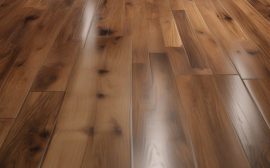
Hardwood floors are a coveted feature, adding warmth, elegance, and value to any home. They bring a natural beauty and timeless appeal that elevates interior design. However, maintaining their pristine condition requires proactive care, especially when it comes to moisture control. Moisture is a hardwood floor’s worst enemy, potentially causing warping, cupping, buckling, and mold growth, ultimately diminishing its aesthetic appeal and structural integrity. This comprehensive guide delves into the critical role of moisture management in preserving your hardwood floors, offering practical advice for prevention, maintenance, and addressing potential problems. Understanding the dynamics of moisture interaction with wood is the first step in protecting your investment. The very nature of hardwood flooring makes it susceptible to moisture damage. Wood is a hygroscopic material, meaning it naturally absorbs and releases moisture from the surrounding environment to achieve equilibrium.
Fluctuations in humidity levels cause the wood to expand and contract, leading to various forms of distortion if these changes are excessive or rapid. For example, high humidity can cause the wood to absorb excess moisture, resulting in cupping, where the edges of the boards become higher than the center.
Conversely, excessively dry conditions can cause the wood to shrink, leading to gaps between planks. Protecting against these humidity-induced issues is crucial for maintaining the floor’s structural integrity and visual appeal. Using a humidity meter can help monitor indoor humidity levels and ensure they stay within the optimal range for hardwood floors (between 30% and 50%). Preventing warped hardwood floors begins with understanding the sources of moisture. Spills, plumbing leaks, and even high humidity can introduce excessive moisture into the wood. In addition, moisture from below, such as a damp crawl space or concrete slab, can migrate upwards, causing significant damage. A proper moisture barrier beneath the flooring is essential to prevent this upward migration. This barrier, whether it’s a vapor retarder over a concrete slab or a waterproof membrane in a crawl space, acts as the first line of defense against moisture damage. Choosing the right moisture barrier for hardwood floors depends on the subfloor type and local climate conditions. Consult with a flooring professional to determine the most appropriate barrier for your specific situation. Regular hardwood floor maintenance is another key aspect of moisture control. This includes promptly wiping up spills, avoiding excessive water when cleaning, and using hardwood floor cleaners specifically designed to protect against moisture damage. Placing mats at entrances and in high-traffic areas can trap dirt and moisture, preventing them from being tracked onto the floor. These preventative measures, combined with consistent humidity control, will significantly reduce the risk of water damage to hardwood floors. Identifying early signs of moisture damage, such as cupping, crowning (center of the boards higher than the edges), buckling, and discoloration, is also essential. Addressing these issues promptly can prevent further damage and potentially save you from costly repairs. If you notice any of these signs, it’s crucial to identify and address the moisture source immediately. This might involve repairing a leaky pipe, improving ventilation, or installing a dehumidifier. This guide will equip you with the knowledge and practical strategies to effectively manage moisture and safeguard your hardwood floor investment, ensuring its lasting beauty and value for years to come. From understanding how moisture damages hardwood floors to implementing proactive maintenance practices, this comprehensive resource will empower you to protect one of your home’s most valuable assets.
How Moisture Damages Hardwood Floors
Excessive moisture constantly threatens hardwood floors, causing serious and often permanent damage. If water or liquids aren’t wiped up, they seep into the wood’s porous surface. The liquid soaks in, expanding the wood cells and warping the material. Over time, this leads to uneven floors, gaps between planks, and a damaged look. A small spill near a doorway, left uncleaned, can soak into the board edges, causing swelling that’s hard to fix. This shows how even minor incidents can create major hardwood floor moisture problems.
Moisture from below the floor is just as harmful. A damp crawl space or poorly sealed concrete slab releases vapor that rises into the air. The wood absorbs this vapor, leading to cupping—where edges lift higher than the center—or buckling, where planks lift off the subfloor. These issues weaken the floor’s structure and create spots where mold and mildew grow. Older homes often face worse problems due to weak vapor barriers or drainage, trapping moisture in a cycle that’s tough to stop.
Stopping warped hardwood needs a full strategy. It’s not enough to just clean spills. Homeowners should use dry mopping or hardwood-specific cleaners that don’t add moisture. Mats at entrances and in busy areas cut down tracked-in water. These steps lower the risk of water damage.
When installing new floors, a quality moisture barrier is essential. This shield blocks moisture from the subfloor. The right barrier depends on whether the subfloor is concrete or wood and the local climate. A pro installer can pick the best product and install it correctly.
Preventing moisture damage isn’t a one-time fix. It’s an ongoing effort. Homeowners must stay alert for early signs like cupping or buckling and act fast. Ignoring these can lead to expensive repairs. By tackling moisture sources and using smart maintenance, homeowners protect their floors and keep them looking good for years.
Sources of Moisture: Identifying the Culprits
Preventing hardwood floor moisture damage starts with understanding where it comes from—and honestly, it’s often a lot more than just spilled drinks. Those everyday accidents *will* cause problems if you don’t clean them up fast, letting water soak into the wood and cause swelling, even warping. But it goes way beyond that.
High humidity is a major player, especially in bathrooms and basements—places that naturally hold a lot of moisture. Wood breathes, you know? It absorbs that dampness, and before you know it, you’ve got cupping or buckling. Plumbing leaks, from a dripping faucet to a full-blown burst pipe, are another obvious threat, delivering a serious dose of water quickly.
But don’t overlook what happens *under* the floor. A poorly prepared subfloor is a recipe for disaster. Concrete needs to fully cure before you lay anything on top of it, and a moisture barrier isn’t optional—it’s essential. Skipping these steps often leads to moisture rising from below, causing widespread damage that can be incredibly expensive to fix. Older homes, in particular, can be tricky; often they suffer from poor ventilation and drainage, compounding the problem. A damp, unventilated crawl space? That’s basically a moisture factory, sending humidity upwards. And inadequate drainage around the foundation—water pooling near the house—can seep into the structure and affect your floors. Think about homes built on a slope without proper grading; a heavy rain can mean significant water intrusion. You might notice this as persistent dampness or, worse, mold growth along the baseboards.
It’s not just big issues, either. Improper cleaning—especially using too much water or steam cleaners—can saturate the wood over time. Potted plants without saucers? They’re slowly leaking moisture onto your floors. Even condensation from a cold glass or a pet’s water bowl, if left sitting, can cause localized damage. These little things add up, so don’t dismiss them.
And let’s be real, where you live matters. Coastal regions and the Southeast, with their naturally high humidity, demand consistent indoor climate control. Dehumidifiers and air conditioning aren’t luxuries in those areas—they’re necessities, keeping humidity within that sweet spot of 30% to 50%. Drier climates present a different challenge: preventing *excessive* dryness, which can cause cracking and gapping. The goal is stability, no matter what Mother Nature throws at you.
Proactive humidity control is key—it should be part of your regular hardwood floor maintenance routine. Installing a proper moisture barrier during installation, fixing leaks immediately, ensuring crawl space ventilation, and maintaining appropriate humidity levels are all vital. Regularly inspect your floors for signs of trouble—cupping, buckling, discoloration—and address them quickly. A little preventative care goes a long way in keeping your hardwood floors beautiful and durable for years to come.
Moisture Barriers: The First Line of Defense
Moisture barriers are your first line of defense against moisture damage, acting as an invisible shield protecting your hardwood floor investment. They are essential for preventing moisture from migrating from the subfloor into the wood planks, which can lead to problems like cupping, buckling, and warping. Choosing the right barrier and ensuring its proper installation are crucial steps in preserving the beauty and longevity of your hardwood floors. Different subfloor types require different barrier materials, so understanding your specific needs is paramount. For concrete subfloors, which are known for their potential to release moisture, a 6-mil polyethylene sheeting is typically recommended. This acts as a robust vapor retarder, effectively preventing moisture from seeping upwards into the hardwood. Proper taping of the seams with compatible sealant tape is critical for a complete seal, preventing any gaps where moisture can penetrate. Some experts even recommend using a two-layer system for added protection in areas prone to high moisture levels. For wood subfloors, typically plywood or oriented strand board (OSB), the goal shifts from retarding vapor to managing airflow and preventing trapped moisture. In these cases, breathable underlayment materials, like asphalt-saturated felt paper, are commonly used. These materials allow for some air circulation while still providing a barrier against moisture. This helps prevent moisture buildup that can lead to mold and mildew growth, which can damage the wood and compromise indoor air quality. Always ensure the felt paper overlaps properly at the seams to maintain a continuous barrier. When installing a moisture barrier over a concrete subfloor, it’s important to ensure the concrete is clean, dry, and level before laying down the polyethylene sheeting.
Any cracks or imperfections in the concrete should be addressed before installation to prevent moisture from escaping through these weak points. Similarly, with wood subfloors, ensure the surface is clean and free of debris before laying down the felt paper. Properly installed moisture barriers play a crucial role in preventing warped hardwood, and are a vital component of humidity control for floors. This proactive approach to moisture control is an investment in the long-term health and beauty of your hardwood floors. By addressing this critical step, you are taking a significant step in preventing hardwood floor moisture damage, including issues like cupping hardwood floors or buckling hardwood floors. This is especially important in areas with high humidity or fluctuating temperatures, where the risk of moisture damage is significantly increased. By investing in a quality moisture barrier and ensuring its meticulous installation, you are safeguarding your floors against potential water damage, ensuring they remain beautiful and functional for years to come. This contributes significantly to effective hardwood floor maintenance and long-term moisture control for hardwood floors. Beyond just the material, proper installation is key. Overlapping the edges of the barrier and sealing the seams prevents moisture from seeping through. This meticulous attention to detail, though often overlooked, can make a significant difference in the long-run effectiveness of the moisture barrier. Selecting and installing the appropriate moisture barrier is a crucial aspect of hardwood floor installation. It’s a fundamental step in preventing moisture-related issues and protecting your investment in the beauty and longevity of your hardwood floors. Remember, proactive prevention is always more cost-effective than dealing with the consequences of moisture damage down the line.
Humidity Control: Maintaining the Right Balance
Maintaining proper indoor humidity is paramount to preserving the beauty and structural integrity of your hardwood floors. Excessive moisture can lead to issues like cupping, crowning, buckling, and mold growth, while dry air causes planks to shrink and create gaps. The ideal relative humidity (RH) level for hardwood floors falls between 30% and 50%. Striking this balance requires a multi-pronged approach to protect your investment and maintain the floor’s structural integrity.
During humid months, especially in summer, using a dehumidifier becomes crucial to actively remove excess moisture and maintain optimal RH levels. When selecting a dehumidifier, consider the size of the area and features like automatic shut-off and adjustable settings. Proper ventilation also plays a vital role, with exhaust fans in kitchens and bathrooms essential for removing moisture from cooking and showering. Run these fans during and after these activities and ensure good airflow throughout your home by strategically opening windows.
Beyond dehumidifiers and ventilation, consider using a hygrometer to monitor indoor humidity levels accurately. Place hygrometers in areas with hardwood flooring to monitor localized humidity, and take action if readings consistently fall outside the optimal 30-50% range. For older homes or new installations, ensure a high-quality moisture barrier is installed, typically made of polyethylene or other waterproof materials. For concrete subfloors, verify proper curing and conduct moisture tests before installation.
Regularly inspect crawlspaces and basements for signs of moisture or leaks as an important preventive measure. By understanding various moisture sources and implementing comprehensive humidity control strategies, you can effectively safeguard your hardwood floors against moisture damage. Remember that preventing moisture damage is far easier and less costly than repairing it. If you notice any signs of moisture damage, such as cupping, discoloration, or a musty odor, consult a qualified flooring professional immediately to assess the situation and recommend appropriate solutions.
Regular Maintenance: Proactive Protection
Regular maintenance is crucial for preserving the beauty and longevity of your hardwood floors, especially in the fight against moisture damage. This proactive approach not only safeguards your investment but also minimizes the need for costly repairs down the line. Spills, for instance, should be wiped up immediately. Leaving standing water, even for a short period, allows it to penetrate the wood, leading to swelling, discoloration, and potential warping. Think of your hardwood floor like a sponge; the longer the exposure to liquid, the more it absorbs. Using a slightly damp mop for cleaning, rather than soaking the floor, is another crucial step. Excessive water introduces unnecessary moisture, increasing the risk of cupping, where the edges of the boards become higher than the center. Opt for hardwood floor cleaners specifically designed to protect against moisture damage, avoiding harsh chemicals that can strip the protective sealant and leave the wood vulnerable.
These specialized cleaners often contain mild moisturizers that help maintain the wood’s natural hydration balance, preventing excessive drying and cracking. Placing mats at entrances and in high-traffic areas, such as hallways and kitchens, acts as a first line of defense against tracked-in dirt and moisture. These mats effectively trap moisture and debris, preventing them from reaching the hardwood surface. Consider using absorbent doormats outside and inside each entrance to maximize protection. Regularly cleaning these mats is equally important to prevent accumulated moisture from transferring to your floors. In addition to these everyday practices, consider implementing a seasonal maintenance routine. During humid months, using a dehumidifier can help regulate indoor humidity levels, minimizing the risk of moisture absorption by the wood. Aim for a relative humidity between 30% and 50% to create a balanced environment for your hardwood floors.
In drier months, or in climates with consistently low humidity, using a humidifier can prevent excessive drying, which can lead to cracking and splitting. Proper ventilation is another key component of moisture control. Ensure adequate airflow throughout your home, especially in areas prone to moisture like bathrooms and kitchens. Run exhaust fans during and after showers and cooking to remove excess moisture from the air, preventing it from settling on your hardwood floors.
Inspecting your hardwood floors regularly for signs of moisture damage, such as cupping, crowning (where the center of the board is higher than the edges), buckling (separation from the subfloor), or discoloration, allows for early intervention. Addressing these issues promptly can prevent further damage and potentially save you from extensive repairs.
Remember, preventing warped hardwood is far easier and more cost-effective than repairing or replacing it. By incorporating these maintenance practices into your routine, you are actively protecting your investment and ensuring the lasting beauty of your hardwood floors. This comprehensive approach, combining immediate action, preventative measures, and regular monitoring, provides the best defense against moisture damage and contributes to a healthy, beautiful home environment.
Identifying and Addressing Moisture Damage
Moisture damage in hardwood floors manifests through distinct physical changes that homeowners should recognize early. Cupping occurs when boards absorb moisture from below, causing edges to rise higher than the center, while crowning results from top-down moisture exposure, such as spills, creating a dome-like center. Buckling, a more severe issue, involves plank separation due to excessive expansion from moisture, often likened to a swollen foot in a tight shoe.
Discoloration, including dark spots or staining, may accompany mold growth and can stem from localized leaks or high humidity. These signs—cupping, crowning, buckling, or discoloration—require immediate attention to prevent irreversible damage. For instance, a dark stain near a dishwasher might indicate a plumbing leak, whereas widespread discoloration could signal chronic humidity issues. Early detection allows for targeted interventions, such as repairing leaks or using dehumidifiers, to mitigate further harm.
Addressing the root cause of moisture is critical to resolving damage and preventing recurrence. Homeowners should first identify the source, whether a leak, spill, or elevated humidity, using tools like humidity meters to confirm levels within the optimal 30%-50% range. Fixing leaks promptly and ensuring thorough drying are essential steps before repairing the floor. For high humidity, dehumidifiers and improved ventilation can stabilize conditions. Spills demand immediate cleanup with dry cloths and ventilation to prevent saturation. Preventive measures, such as installing moisture barriers during installation or refinishing, further protect against future issues. Consistent humidity control and proactive maintenance are key to avoiding warped or buckled floors.
Preventing moisture damage hinges on regular maintenance and strategic habits. Placing mats in high-traffic areas and near entrances reduces moisture tracking onto floors. Using cleaning products formulated for hardwood helps preserve the finish and resist moisture absorption. Additionally, controlling indoor humidity through HVAC systems or dehumidifiers minimizes risks. Homeowners should also address spills immediately and avoid excessive water exposure during cleaning. These practices, combined with periodic inspections for early signs of damage, create a robust defense against moisture-related problems. By integrating these habits into daily routines, the longevity of hardwood floors can be significantly enhanced.
Severe moisture damage often requires professional intervention to restore floors effectively. When cupping, crowning, or buckling is extensive, or discoloration is widespread, consulting a flooring expert is advisable. Professionals can assess the extent of damage, recommend repairs like sanding or refinishing, and apply preventive solutions such as moisture barriers. They may also identify underlying issues, like persistent humidity, that homeowners might overlook. For minor issues, allowing the area to dry completely after eliminating the moisture source may suffice. However, professional guidance ensures that repairs are thorough and that preventive measures are tailored to the specific environment, safeguarding the investment in hardwood floors long-term.
When to Seek Professional Help
Recognizing the signs of significant moisture damage to your hardwood floors is crucial for taking timely action and preventing further deterioration. While some minor issues like surface stains from spills can be addressed with simple cleaning, more serious problems demand professional intervention. If you’re unsure about the source of the problem or suspect extensive damage, consulting a qualified flooring professional is essential. They possess the expertise to accurately assess the situation and recommend the most effective course of action. These professionals bring a wealth of knowledge to the table, going beyond surface-level observations. They can identify the root cause of the moisture, whether it’s a plumbing leak, inadequate subfloor moisture barrier, high humidity, or poor ventilation.
For example, a flooring expert can distinguish between cupping (edges of the boards higher than the center) caused by moisture from above and crowning (center higher than the edges) often resulting from excessive sanding or finishing. This precise diagnosis is critical for effective hardwood floor maintenance and repair. They can also determine if the buckling hardwood floors you’re seeing is due to moisture from below, a common issue with concrete slabs or crawl spaces lacking proper moisture control for hardwood floors. A trained eye can also assess the extent of water damage hardwood floors have sustained.
They’ll inspect for signs of mold growth, wood rot, and subfloor damage, often using specialized moisture meters to accurately measure moisture content within the wood and subfloor. This detailed assessment informs their recommendations for repairs, ensuring the right approach is taken to restore the integrity of your flooring. For instance, they might suggest localized repairs for minor damage or a complete floor replacement for severe cases.
They can also advise on the best moisture barrier for hardwood installation if a replacement is necessary, considering factors like your subfloor type and local climate. Furthermore, a flooring professional can offer valuable insights into preventing warped hardwood and other moisture-related issues in the future. They can recommend specific humidity control for floors, such as installing a dehumidifier or improving ventilation.
They can also advise on best practices for preventing hardwood floor moisture damage, including proper cleaning techniques and the use of mats in high-traffic areas. For example, they might recommend avoiding excessive water when cleaning and using a hardwood floor cleaner specifically designed to protect against moisture. This proactive approach not only safeguards your investment but also contributes to a healthier indoor environment.
Seeking professional help offers peace of mind. Knowing that an expert has assessed the situation and provided tailored solutions ensures that your hardwood floors receive the appropriate care. This proactive approach can save you significant time, money, and stress in the long run, preserving the beauty and value of your hardwood floors for years to come.
Don’t hesitate to reach out to a qualified professional if you’re facing moisture-related challenges with your hardwood floors – it’s an investment in the longevity of your home.
Conclusion: Protecting Your Investment
Protecting your hardwood floor investment goes beyond simply admiring its beauty; it requires proactive moisture control. This is an investment in preserving the longevity, value, and overall health of your home. By implementing the strategies outlined in this guide—covering aspects of hardwood flooring, home improvement, moisture control, and floor maintenance—you can safeguard your floors from the detrimental effects of moisture, ensuring they remain beautiful and functional for years to come. Moisture is a silent enemy that can wreak havoc on hardwood floors, leading to costly repairs or even replacements. Think of your hardwood floor as a natural sponge; it absorbs and releases moisture depending on the surrounding environment. Excessive moisture, whether from spills, high humidity, or underlying issues, can cause the wood to swell, warp, cup, or even buckle. Cupping, where the edges of the boards are higher than the center, is a telltale sign of moisture imbalance.
Similarly, crowning, where the center is higher, indicates uneven moisture distribution. Buckling, a more severe form of damage, occurs when the planks detach from the subfloor, often requiring professional intervention. Addressing these issues early on is crucial to preventing further damage and preserving the structural integrity of your floor. Preventing warped hardwood floors starts with a good moisture barrier, the first line of defense against moisture migrating from the subfloor. Whether you have a concrete slab or a wooden subfloor, choosing the right moisture barrier and ensuring its proper installation is critical. For concrete slabs, a vapor retarder is essential to block moisture vapor transmission. With wood subfloors, a waterproof membrane can prevent moisture from seeping into the hardwood planks. This proactive approach is far more cost-effective than dealing with water damage hardwood floors later. Humidity control for floors is another vital aspect of moisture management. Maintaining optimal indoor humidity levels (between 30% and 50%) is key to preventing moisture-related problems. Using a dehumidifier, particularly during humid months or in naturally damp areas, can help regulate moisture levels and prevent issues like cupping hardwood floors. Proper ventilation, through the use of exhaust fans in kitchens and bathrooms, further aids in maintaining a balanced humidity level, protecting your investment in hardwood flooring. Regular hardwood floor maintenance, including prompt attention to spills and the use of appropriate cleaning products, contributes significantly to long-term protection. Avoid excessive water when cleaning, opting for slightly damp mops and hardwood floor cleaners specifically designed to protect against moisture damage. Placing mats at entrances and in high-traffic areas can trap dirt and moisture, minimizing the risk of damage. By understanding the sources of moisture, implementing preventive measures, and practicing regular maintenance, you transform home improvement into an act of preservation. Moisture control for hardwood floors isn’t just about aesthetics; it’s about protecting the health of your home and the value of your investment. Recognizing the signs of moisture damage and taking timely action can save you from costly repairs down the road. If you’re unsure about the source of a problem or suspect significant damage, consulting a qualified flooring professional is always recommended. Their expertise can provide valuable insights and ensure your hardwood floors remain a beautiful and valuable asset for years to come.