Introduction: Navigating the World of Hardwood Flooring Durability
Selecting the right hardwood flooring is a pivotal decision for any homeowner, as it combines aesthetic value with long-term durability. This guide emphasizes the importance of balancing design preferences with practical considerations, particularly in high-traffic areas where wear and tear are inevitable. Popular species like oak, maple, and hickory each offer distinct advantages, with factors such as hardness, density, and grain structure playing critical roles in determining a floor’s resilience. Understanding these elements, along with proper maintenance practices, ensures that hardwood floors remain both functional and visually appealing over time. The goal is to equip homeowners with the knowledge to make informed choices that align with their lifestyle and design vision.
A key metric in assessing hardwood durability is the Janka hardness scale, which measures the force required to embed a steel ball into wood. This scale provides a standardized way to compare species, with higher ratings indicating greater resistance to dents and scratches. For example, red oak (1290 Janka) is a common choice, while white oak (1360 Janka) offers slightly better impact resistance.
Hickory, with an impressive 1820 rating, stands out as the hardest option but may not suit all design aesthetics. These differences highlight the importance of evaluating hardness in relation to specific needs, such as foot traffic levels or the presence of children and pets. The Janka scale serves as a foundational tool for prioritizing durability without compromising on other factors.
Beyond hardness, other characteristics significantly influence a floor’s longevity. Density, closely tied to hardness, determines how well wood withstands physical stress—maple and hickory, being denser, excel in high-traffic zones. Grain structure also matters; closed-grain woods like maple and white oak are less porous, reducing susceptibility to moisture and scratches compared to open-grain varieties like red oak. Additionally, the quality of the finish applied acts as a protective layer, with premium finishes offering enhanced scratch and moisture resistance. Together, these factors create a holistic approach to durability, requiring homeowners to consider multiple attributes when selecting a species.
When choosing hardwood for high-traffic areas, it’s essential to weigh both durability and aesthetic appeal. Hickory’s extreme hardness (1820 Janka) makes it ideal for heavy use, though its bold grain patterns may not align with every interior style. Maple strikes a balance with a 1450 Janka rating and a smooth, fine grain, offering versatility for various design themes. Oak, available in red and white varieties, provides a classic look with moderate durability, making it a popular middle-ground option. The selection process should therefore integrate practical needs with visual preferences, ensuring the chosen wood complements the home’s overall design while meeting functional demands.
The longevity of hardwood flooring depends on a combination of material selection, finish quality, and maintenance. Regular cleaning, the use of protective mats in busy areas, and periodic refinishing are essential practices to preserve the floor’s appearance and structural integrity. Each wood species has unique care requirements, and understanding these nuances allows homeowners to implement tailored maintenance strategies. By addressing both immediate and long-term considerations, this guide aims to empower readers to make choices that ensure their hardwood floors remain a durable and beautiful investment for years to come.
Oak: A Tale of Two Hardwoods
Oak, a timeless favorite in hardwood flooring, presents itself in two distinguished forms: red oak and white oak. Red oak, registering a Janka hardness of 1290, is a popular choice for its warm tones and affordability, offering good durability for everyday use. However, its open grain structure makes it somewhat more susceptible to scratches and dents compared to its counterpart, making it a consideration for families with active pets or children. White oak, slightly harder with a Janka rating of 1360, showcases a more refined grain pattern and a natural resistance to moisture, which makes it a superior choice for areas prone to spills or humidity. The subtle difference in hardness between the two varieties impacts their performance over time, influencing their suitability for different lifestyles and areas within a home.
While both red and white oak offer a beautiful and traditional aesthetic, their differing grain structures significantly affect their practical durability. Red oak’s open grain, while aesthetically pleasing, can absorb stains and moisture more readily, requiring more diligent maintenance to prevent damage. This makes it essential to consider the level of activity and potential for spills in a space before opting for red oak. For instance, a formal dining room might be well-suited for red oak, while a high-traffic hallway or mudroom would benefit more from the enhanced protection offered by white oak’s closed grain. This distinction underscores the importance of aligning the wood species with the specific demands of each area in your home.
Beyond the Janka hardness scale, the density of the wood also plays a crucial role in its overall durability. White oak, with its denser composition, tends to withstand wear and tear better than red oak, making it a more reliable option for areas that experience heavy foot traffic. This is a significant factor when considering the long-term investment in your hardwood flooring. The higher density of white oak contributes to its resistance to dents and scratches, ensuring the flooring maintains its beauty and integrity for years to come. This makes white oak a preferred choice among interior designers who seek both style and lasting performance.
Furthermore, the finishing process can significantly enhance the durability of both red and white oak. Applying a high-quality polyurethane finish can provide a robust protective layer, guarding against scratches, stains, and moisture damage. For red oak, in particular, a sealant is crucial to fill the open grain, making it less porous and more resilient. The type of finish, whether matte, satin, or gloss, not only affects the aesthetic of the floor but also its resistance to wear. Therefore, when considering oak flooring, it is essential to factor in the type of finish and its impact on the overall durability and maintenance requirements. Both red and white oak offer a classic and beautiful hardwood flooring option, but the specific characteristics of each variety should be carefully evaluated in relation to your lifestyle and the demands of your home. Understanding these distinctions is key to making an informed decision that ensures lasting beauty and functionality. For a balance of cost and durability, oak remains a popular choice, but it’s essential to consider the specific needs of your space when selecting between red and white oak.
Maple: Strength and Subtlety
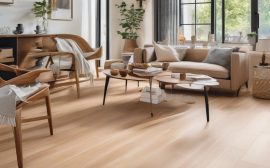
Maple, renowned for its smooth, fine grain and contemporary aesthetic, stands as a robust choice in hardwood flooring, particularly for high-traffic areas. With a Janka hardness rating of 1450, significantly higher than red oak’s 1290 and even surpassing white oak’s 1360, maple exhibits exceptional resistance to dents and scratches. This inherent durability makes it an ideal selection for busy households with children and pets, ensuring the floor maintains its pristine appearance despite daily wear and tear. From a home improvement perspective, maple’s resilience translates to a long-term investment, reducing the need for frequent repairs or replacements, a key factor for budget-conscious homeowners. Interior designers appreciate maple’s versatility, its light color and subtle grain providing a clean backdrop that complements various design styles, from modern minimalist to classic traditional. This adaptability makes maple a sought-after choice for creating seamless transitions between rooms and achieving a cohesive overall design. However, the same hardness that contributes to maple’s durability can also pose challenges during installation. Its dense nature requires specialized tools and expertise, potentially increasing installation costs. Homeowners should factor this into their budgeting when considering maple for their flooring projects.
Maple’s hardness and tight, closed grain structure contribute significantly to its impressive hardwood flooring durability. Unlike the more open grain of red oak, which can be susceptible to moisture penetration and scratches, maple’s dense surface offers superior protection against spills and everyday wear. This characteristic makes it a particularly suitable choice for kitchens, hallways, and living rooms, areas prone to high foot traffic and occasional spills. When comparing oak vs. Maple vs. Hickory in terms of hardwood lifespan comparison, maple stands out as a strong contender, offering an extended lifespan with proper care and maintenance. This long-term durability aligns perfectly with the principles of sustainable home improvement, minimizing the need for frequent replacements and reducing environmental impact.
The subtle grain pattern of maple allows for various stain colors and finishes, further enhancing its versatility in interior design applications. While its natural light color lends a sense of airiness and spaciousness to rooms, maple can also be stained to mimic darker wood species, offering homeowners a wider range of aesthetic options. Whether aiming for a contemporary, rustic, or traditional look, maple’s adaptability ensures a harmonious blend with the overall design scheme. Furthermore, maple’s smooth surface simplifies the wood flooring maintenance process, requiring minimal effort to keep it clean and looking its best. Regular sweeping and occasional damp mopping are usually sufficient to maintain its luster, making it a practical choice for busy homeowners seeking low-maintenance flooring solutions.
In the realm of hardwood flooring durability, the Janka hardness scale serves as a valuable tool for assessing the relative hardness of different wood species. Maple’s score of 1450 places it firmly within the category of highly durable hardwoods, suitable for high-traffic areas and active households. Understanding this rating empowers homeowners to make informed decisions based on their specific needs and lifestyle. While hickory boasts an even higher Janka rating, making it the hardest of the commonly used hardwood species, maple offers a balance of durability, aesthetics, and ease of maintenance that appeals to a broad range of homeowners. For those seeking the best hardwood for high traffic, maple’s resilience makes it a top contender, offering long-lasting beauty and performance.
Choosing between oak, maple, or hickory depends on a combination of factors, including budget, aesthetic preferences, and lifestyle considerations. While oak provides a classic look and moderate durability, maple elevates the level of resilience, making it ideal for high-traffic zones. Hickory, with its unparalleled hardness, caters to those prioritizing extreme durability and a rustic aesthetic. By carefully evaluating these factors, homeowners can select the hardwood flooring option that best aligns with their individual needs and long-term home improvement goals.
Hickory: Rustic Charm and Unrivaled Hardness
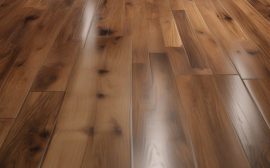
Hickory’s exceptional durability makes it a premier choice for hardwood flooring, particularly in high-traffic environments. With a Janka hardness rating of 1820, it surpasses many other hardwoods in resistance to dents, scratches, and impacts, ensuring longevity even under heavy use. This strength is especially valuable for homes with children, pets, or frequent foot traffic, as it maintains structural integrity over time. Beyond its practical benefits, hickory offers distinct aesthetic advantages through its varied grain patterns and color spectrum, which span from light creams to deep browns. This natural variation allows hickory floors to adapt to diverse interior styles, from rustic to modern, adding a timeless, organic charm. However, its density and hardness also present unique challenges during installation. The wood’s brittleness compared to softer options like oak requires meticulous acclimation to the home’s environmental conditions before installation. Stable temperature and humidity levels are critical to prevent warping or cracking, and professional installation is strongly advised to ensure proper fitting and long-term performance. Additionally, the density of hickory demands specialized tools and expertise during installation, increasing both time and cost. While these factors may complicate the process, they are necessary to fully realize hickory’s potential as a durable, high-quality flooring solution.
Despite its resilience, hickory’s hardness necessitates careful maintenance to preserve its appearance and functionality. Regular cleaning with sweeping or vacuuming helps prevent debris accumulation, while occasional damp mopping maintains the surface without causing damage. Although hickory is less prone to scratching than softer woods, protective measures such as furniture pads and entry mats are recommended to minimize wear from heavy objects or daily use. Its hardness also means it may feel less comfortable underfoot compared to softer alternatives, a trade-off many homeowners accept for its unmatched durability.
Proper care, however, ensures that hickory floors retain their beauty and structural integrity for decades. When compared to other hardwoods, hickory’s lifespan is notably longer when installed and maintained correctly. While the initial investment may be higher due to installation complexity and material costs, the reduced need for repairs or replacements over time makes it a cost-effective choice. This long-term value, combined with its aesthetic versatility, positions hickory as a strategic investment for homeowners prioritizing both resilience and natural beauty in their flooring.
The unique characteristics of hickory flooring underscore its suitability for specific applications while requiring tailored approaches to installation and care. Its hardness, while advantageous for durability, demands precise handling to avoid issues like cracking during acclimation. This sensitivity to environmental factors highlights the importance of professional installation, which ensures the wood is properly conditioned and secured. Furthermore, the aesthetic diversity of hickory—ranging from bold grain patterns to subtle color shifts—adds a layer of customization that many homeowners find appealing. This adaptability to different design themes, coupled with its ability to withstand heavy use, makes hickory a versatile option for various spaces. However, potential buyers should weigh the benefits against the challenges, such as the need for specialized tools during installation and the potential for a less cushioned walking surface. These considerations, though, are often outweighed by the floor’s long-term performance and visual appeal.
Hickory flooring represents a balance of strength, beauty, and practicality that few other hardwoods can match. Its Janka hardness rating of 1820 positions it as one of the most durable options available, ideal for areas subjected to constant wear. The wood’s natural grain and color variations enhance its appeal, allowing it to integrate seamlessly into diverse interior designs. While installation requires careful attention to acclimation and professional expertise, the resulting floor offers decades of service with minimal maintenance. Regular care, such as routine cleaning and protective measures, further extends its lifespan, making hickory a sustainable choice for homeowners. The combination of its resilience, aesthetic versatility, and long-term cost-effectiveness solidifies hickory’s reputation as a top-tier hardwood flooring option for those seeking both durability and natural elegance.
Factors Affecting Hardwood Durability: Grain, Density, and Finish
Understanding hardwood flooring durability goes beyond simply choosing a visually appealing wood species. It requires a deep dive into the factors that influence a wood’s resistance to wear and tear, ensuring your investment stands the test of time. Density, a key indicator of hardness, plays a crucial role. Denser woods like hickory, with its Janka hardness rating of 1820, offer superior resistance to dents and scratches compared to less dense options like red oak (1290). This makes hickory an ideal choice for high-traffic areas in homes with active families and pets, aligning with the practical considerations of Home Improvement and Flooring Durability. Wood grain, another significant factor, influences both the aesthetic appeal and the functional durability of hardwood flooring. Closed-grain woods such as maple (Janka hardness 1450) and white oak (1360) have a tighter, less porous surface compared to open-grain woods like red oak.
This characteristic makes them less susceptible to moisture penetration and surface scratches, contributing to their longevity and aligning with the maintenance aspect of hardwood flooring ownership. For Interior Design enthusiasts, the choice between open and closed grain also presents an opportunity to match the wood’s texture with the desired aesthetic of the space.
Yet, the protective finish applied to hardwood flooring acts as the first line of defense against daily wear and tear. Oil-based finishes penetrate the wood, providing deep protection and enhancing its natural beauty, while surface finishes like polyurethane create a harder, more resistant layer on top of the wood, making them suitable for high-traffic areas. The choice of finish should align with the wood species and the lifestyle of the homeowners, contributing to both the aesthetics and the long-term durability of the floor. A well-chosen finish can significantly extend the hardwood lifespan comparison between different species.
For instance, a durable finish on a moderately hard wood like red oak can enhance its performance and make it comparable to a harder wood with a less durable finish. The Janka hardness scale provides a standardized measure of a wood’s resistance to denting and wear, guiding homeowners in selecting the best hardwood for high traffic areas within their homes.
While hickory and maple generally rank higher on this scale, understanding the interplay between wood density, grain, and finish provides a holistic view of hardwood flooring durability, empowering homeowners to make informed decisions that align with their lifestyle, budget, and design preferences. Implementing a consistent wood flooring maintenance routine, tailored to the specific wood species and finish, is essential for preserving the beauty and extending the life of your hardwood floors.
Regular sweeping and damp mopping for maple, periodic deep cleaning for oak, and careful attention to humidity levels for hickory are all examples of species-specific care that contribute to long-term durability. This comprehensive approach to hardwood flooring durability ensures a beautiful and resilient floor for years to come, satisfying the needs of both Home Improvement enthusiasts and Interior Design aficionados.
Maintenance Tips for Long-Lasting Hardwood Floors
Maintaining hardwood floors requires a consistent, species-specific approach to care. Daily sweeping or vacuuming with a soft-bristle attachment is essential to prevent dust and grit from scratching the surface, which can dull the finish over time. In high-traffic zones like entryways, breathable mats should be placed strategically to minimize abrasion and moisture buildup. For all hardwood types, periodic deep cleaning with a wood-specific product is necessary to remove embedded grime without compromising the finish. Excessive water or harsh chemicals must be avoided, as they can warp the wood or degrade protective coatings. Oak floors, particularly red oak with its porous grain, benefit from sealant applications every few years to enhance durability against spills and scratches. Maple, with its dense, closed grain, requires less intensive sealing but still needs regular damp mopping with a microfiber cloth to preserve its smooth appearance. Hickory, being the hardest species on the Janka scale, demands minimal maintenance beyond routine cleaning with a broom or vacuum and occasional damp mopping to maintain its natural resilience.
The Janka hardness scale provides valuable insight into each wood type’s maintenance needs. Oak, with a rating of 1290-1360, offers moderate durability and requires balanced care to prevent wear in high-traffic areas. Maple’s higher rating of 1450 makes it more resistant to dents, though consistent cleaning remains critical to avoid scratches. Hickory, at 1820, is exceptionally durable and may only need refinishing every decade or more, depending on usage. Understanding these ratings helps tailor maintenance practices to each floor’s specific vulnerabilities. For instance, oak’s open grain demands more frequent sealing, while maple’s smooth surface requires meticulous dust removal to prevent abrasion. Regardless of species, adhering to a routine that matches the wood’s characteristics ensures long-term preservation of both aesthetics and structural integrity.
Refinishing is a vital step in extending the lifespan of hardwood floors, regardless of wood type. Over time, wear from foot traffic and environmental factors wears down the protective finish, leaving the wood exposed to damage. The process involves sanding the existing finish to create a smooth surface, followed by applying a new coat of finish to restore protection and luster. The frequency of refinishing varies based on factors like traffic levels and initial finish quality; high-traffic areas may need refinishing every 3-5 years, while less-used spaces can go 10 years or more between treatments. This investment not only revitalizes the floor’s appearance but also reinforces its durability, making it a cost-effective strategy for homeowners. By combining species-appropriate care with timely refinishing, hardwood floors can remain a resilient and beautiful feature of a home for decades.
Choosing the Right Hardwood for Your Lifestyle
Choosing the right hardwood flooring is a significant decision, one that should reflect your lifestyle and the unique demands of your household. Active families with children and pets will undoubtedly appreciate the resilience of hickory or maple. These robust species, with their impressive Janka hardness ratings, stand up exceptionally well to the daily rigors of high-traffic areas, minimizing the appearance of dents and scratches from playful paws or dropped toys. Imagine a bustling household with energetic kids and a rambunctious golden retriever; hickory, with its unparalleled hardness, offers peace of mind and long-lasting beauty, even amidst the chaos. For those seeking a more classic, timeless aesthetic, oak presents an excellent compromise between durability and elegance. While not as impervious to dents as hickory or maple, oak offers good overall durability, particularly white oak with its closed grain structure, and imbues a space with warmth and character.
Consider a serene living room, bathed in natural light, where red oak flooring adds a touch of rustic charm, its subtle grain patterns creating a sense of understated sophistication. The choice between red and white oak also allows for customization based on individual preferences and budget considerations. Beyond lifestyle considerations, the overall aesthetic of your home plays a vital role in hardwood selection. Maple, with its smooth, uniform grain and lighter tones, complements modern and minimalist interiors, creating a sense of airiness and spaciousness. Picture a contemporary kitchen with sleek, stainless-steel appliances and crisp white cabinetry, where maple flooring adds a touch of natural warmth without overwhelming the space. Hickory, on the other hand, with its dramatic grain patterns and rich color variations, lends itself beautifully to rustic and farmhouse-inspired designs. Visualize a cozy cabin retreat, where hickory flooring enhances the rustic ambiance, its knots and swirls telling a story of strength and resilience. To ensure the longevity of your hardwood investment, understanding the nuances of wood flooring maintenance is crucial. Regular sweeping and occasional damp mopping, coupled with the strategic placement of protective mats in high-traffic areas, can significantly extend the lifespan of any hardwood species. Red oak, with its slightly more porous open grain, might benefit from a sealant to enhance its resistance to moisture and stains. Maple, being less susceptible to scratches, requires less intensive care, but periodic polishing can maintain its lustrous sheen. Hickory, renowned for its durability, still benefits from preventative measures like felt pads under furniture legs to minimize potential scratching. by carefully considering your lifestyle, aesthetic preferences, and maintenance commitment, you can select the perfect hardwood flooring that will not only enhance the beauty of your home but also stand the test of time, providing years of enjoyment and enduring value. Remember, a well-maintained hardwood floor is not just a flooring choice; it’s an investment in the comfort and beauty of your home for generations to come. Consult with flooring professionals to gain further insights into the specific characteristics of different wood species and choose the best hardwood flooring option that aligns with your needs and budget, ensuring a flooring solution that truly stands the test of time.