A Walk Through Time: The Evolution of Hardwood Flooring
From the humble beginnings of roughly hewn timber laid across earthen floors to the current era of precision-engineered planks gracing modern architectural marvels, the story of hardwood flooring is a testament to human ingenuity and our enduring connection with nature. This article embarks on a journey through time, meticulously tracing the evolution of hardwood flooring, examining the pivotal technological advancements that have reshaped its production and application, and delving into the reasons behind its timeless appeal in both residential and commercial spaces. The narrative will explore how this fundamental element of interior design has not only adapted to changing tastes but also actively influenced architectural styles and sustainable building practices. The journey of hardwood flooring is not merely about the materials themselves, but also about the cultural and economic forces that have shaped its use and perception over centuries. From the earliest examples of simple, hand-cut planks in rustic dwellings to the elaborate parquet patterns in grand Victorian homes, the history of hardwood flooring mirrors the evolution of civilization itself. Early wood floors were a practical solution, a means of creating a more comfortable and hygienic living environment. They were often made from locally available wood species, reflecting the regional variations in forest composition and the skills of local artisans. These early floors, while basic by today’s standards, laid the foundation for the sophisticated and diverse range of options we see today. The industrial revolution marked a turning point, enabling the mass production of uniform planks and the development of new finishing techniques, leading to more affordable and durable options.
The invention of engineered wood further expanded the possibilities, offering greater stability and design flexibility while addressing concerns about sustainability and resource management. Today, we see a diverse range of hardwood flooring types, each with its unique characteristics and applications. From the classic elegance of oak flooring to the rich tones of walnut and the light, smooth surface of maple, the choices are vast. Furthermore, the rise of sustainable wood flooring practices, including responsible harvesting and the use of reclaimed wood, is shaping the future of the industry. Prefinished flooring options offer convenience and durability, while wide plank flooring has become a popular choice for contemporary designs, creating a sense of spaciousness and visual continuity. The cost of hardwood flooring varies considerably depending on the type of wood, the finish, and the installation method, but the long-term value and aesthetic appeal continue to make it a popular investment for both homeowners and businesses. Hardwood flooring maintenance, while requiring some attention, is generally straightforward, contributing to the longevity of the floor and the preservation of its beauty. Whether in a cozy home or a bustling commercial space, hardwood flooring continues to be a versatile and enduring choice, reflecting our connection with nature and our desire for beauty and durability. The exploration of hardwood flooring’s history, its diverse applications, and the ongoing innovations in the field reveals why it remains a cornerstone of design and construction.
Conclusion: The Enduring Legacy of Hardwood Flooring
Hardwood flooring continues to be a sought-after choice, and for good reason. Its timeless beauty, durability, and versatility make it a flooring option that transcends fleeting trends. From the rustic charm of wide plank oak flooring in a farmhouse kitchen to the sleek sophistication of maple flooring in a contemporary living room, hardwood adapts to diverse design aesthetics. By understanding its rich history, the diverse array of wood floor types available, and the environmental considerations associated with sustainable wood flooring, you can make an informed decision that not only enhances your space but also reflects your values. The history of hardwood flooring provides valuable context for appreciating its enduring appeal. Early wood flooring, often simple hand-hewn planks, served a purely functional purpose.
Today, advancements in milling and finishing techniques allow us to enjoy the same inherent durability coupled with an unparalleled range of aesthetic options, from intricate parquet flooring patterns reminiscent of Victorian elegance to the clean lines of modern prefinished flooring. This evolution underscores hardwood’s adaptability and its capacity to remain relevant in ever-changing interior design landscapes. When considering hardwood flooring for your home, factors such as foot traffic, lifestyle, and overall design scheme play a crucial role. High-traffic areas like hallways and family rooms benefit from the resilience of oak flooring or engineered wood, while bedrooms and formal dining rooms might showcase the rich character of walnut flooring. Understanding the nuances of each species, from the subtle graining of maple flooring to the dramatic hues of cherry or hickory, empowers you to select the perfect hardwood to complement your interior design vision. In commercial settings, the focus shifts to durability, performance, and ease of maintenance. Commercial wood flooring often utilizes engineered wood or prefinished flooring options to withstand heavy foot traffic and simplify cleaning. These choices offer cost-effectiveness without compromising on aesthetics, ensuring that commercial spaces maintain a professional and inviting atmosphere. The environmental impact of hardwood flooring is an increasingly important consideration for homeowners and businesses alike. Sustainable wood flooring practices, including responsible harvesting and replanting, are crucial for preserving our forests. Opting for reclaimed wood or exploring alternative materials like bamboo flooring offers eco-conscious options that minimize environmental impact without sacrificing style or performance. Finally, understanding the hardwood flooring cost is essential for effective budgeting. The price can vary significantly based on the species, finish, and installation method. Engineered wood often provides a more budget-friendly option compared to solid hardwood, while prefinished flooring can streamline the installation process and potentially reduce labor costs. By carefully weighing these factors, you can invest in a hardwood floor that enhances your space for years to come, adding value, beauty, and a touch of timeless elegance to your home or business. Whether you’re drawn to the warm tones of traditional oak, the modern appeal of wide plank flooring, or the intricate artistry of parquet, hardwood flooring offers a timeless solution for any design aesthetic. Its enduring legacy is a testament to its versatility, durability, and inherent beauty, making it a flooring choice that continues to stand the test of time.
The Roots of Hardwood: Early Wood Flooring Techniques
In the nascent stages of wood flooring, practicality reigned supreme. Early wood floors were often rudimentary, consisting of hand-hewn planks laid directly upon the earth or supported by simple beams. These planks, irregular in shape and size, reflected the limitations of manual tools and the focus on immediate functionality. The primary objective was to create a barrier against the cold and damp earth, elevating living spaces and providing a more comfortable surface underfoot. This foundational approach to flooring can be observed in archaeological sites across the globe, underscoring wood’s universal appeal as a building material. The inherent imperfections of these early floors, far from being considered flaws, added to their rustic charm and served as a testament to the craftsmanship of the era. Durability was paramount, as these floors were subjected to the rigors of daily life, from foot traffic to the movement of furniture and goods. Techniques like pegged or dowelled joints, precursors to more sophisticated joinery methods, were employed to secure the planks and enhance the overall stability of the floor. These early examples of wood flooring represent not only a functional necessity but also the genesis of a material that would become deeply intertwined with the evolution of interior design and architecture.
As societies advanced, so too did the techniques employed in crafting wood floors. The development of basic hand tools allowed for greater precision in shaping and sizing planks, resulting in a more uniform appearance. This shift towards refinement marked an early step towards the standardization that would later be amplified by the Industrial Revolution. The introduction of simple finishes, such as natural oils and waxes, provided an added layer of protection against moisture and wear, further extending the lifespan of the floors. While functionality remained a primary concern, a growing awareness of aesthetics began to emerge. Wood floors were no longer merely utilitarian surfaces; they were becoming integral elements of the home, contributing to its overall character and warmth. This evolution mirrored broader societal changes, where homes were increasingly viewed not just as shelters but as spaces for comfort and self-expression.
The choice of wood species in early flooring was largely dictated by regional availability. Commonly used species included oak, pine, and chestnut, each prized for its specific characteristics. Oak, with its inherent strength and prominent grain, was favored for high-traffic areas. Pine, a softer wood, offered a more economical option, while chestnut’s natural resistance to decay made it suitable for damp environments. This pragmatic approach to material selection reflected a deep understanding of wood’s properties and its suitability for different applications. The use of locally sourced timber also minimized transportation costs and contributed to the sustainable practices of the time, long before the concept of sustainability gained widespread recognition.
The installation methods employed in early wood flooring were often simple yet effective. Planks were typically laid directly over joists or supporting beams, secured with wooden pegs or nails. Subfloors, as we know them today, were not commonly used. This direct contact with the underlying structure allowed the floor to breathe and adapt to changes in humidity, reducing the risk of warping or buckling. The gaps between planks, while sometimes unavoidable due to the irregularities of hand-hewn timber, also served a practical purpose. They allowed for expansion and contraction of the wood with seasonal temperature and moisture fluctuations, further contributing to the floor’s longevity.
The legacy of these early wood flooring techniques can still be seen in the design and construction of contemporary floors. While modern technology has revolutionized the manufacturing process, the fundamental principles of durability, functionality, and aesthetic appeal remain unchanged. From the rustic charm of reclaimed wood floors to the engineered precision of contemporary hardwood, the history of wood flooring provides a rich tapestry of innovation and craftsmanship, connecting us to the ingenuity of generations past.
The Impact of Industrialization and Technology
The Industrial Revolution fundamentally altered the production and accessibility of hardwood flooring. Prior to the 19th century, hardwood floors were largely a handcrafted luxury. However, the introduction of steam-powered sawmills enabled the mass production of uniform planks, dramatically increasing both availability and affordability. This shift democratized hardwood flooring, allowing a wider range of homeowners to enjoy its beauty and durability. The ability to produce planks at an unprecedented scale and consistency marked a turning point, transforming hardwood from an elite privilege into a more commonplace design feature.
Further advancements in finishing techniques significantly enhanced the appeal and longevity of hardwood floors. Early methods, such as oiling and waxing, offered limited protection, but the development of durable varnishes and lacquers in the late 19th and early 20th centuries provided superior resistance to wear, stains, and moisture. This increased resilience meant hardwood floors could better withstand daily use, maintaining their aesthetic appeal and structural integrity for generations. The mid-20th century saw the introduction of prefinished flooring, streamlining installation and offering an even more consistent and robust protective layer applied in a factory setting.
Perhaps the most significant innovation was the invention of engineered wood flooring, which addressed limitations of traditional solid hardwood. Constructed with layers of wood veneer bonded to a core of plywood or high-density fiberboard (HDF), engineered wood offered enhanced stability, particularly in environments susceptible to moisture fluctuations. This construction allowed for installation in previously unsuitable areas, such as below grade or over concrete slabs, and minimized issues related to wood movement caused by temperature and humidity.
Beyond its practical benefits, engineered wood also offered sustainability advantages and design flexibility. The core layers often utilize rapidly renewable wood sources, making it an environmentally responsible choice. Furthermore, engineered wood could be manufactured in wider planks and diverse finishes, catering to evolving aesthetic preferences and interior design trends. This innovation effectively bridged the gap between the classic appeal of solid hardwood and the demands of modern construction, ensuring hardwood flooring’s continued popularity in both residential and commercial spaces.
Throughout history, hardwood flooring has consistently reflected the interplay between technological advancement and evolving design aesthetics. From the intricate parquet patterns of Victorian homes to the sleek, wide plank flooring favored in contemporary design, innovations spurred by industrialization have broadened accessibility and ensured hardwood flooring’s enduring relevance in the world of interior design and architecture.
A Spectrum of Species: Oak, Maple, Walnut, and Beyond
From the classic elegance of oak to the exotic allure of Brazilian cherry, the world of hardwood flooring offers a diverse palette of species, each with its own unique character and contribution to interior design. Oak, a stalwart in the flooring industry, remains a homeowner favorite for its strength, durability, and distinctive graining patterns. Red oak, with its warm undertones and prominent grain, lends a rustic charm, while white oak, known for its tighter grain and lighter hue, offers a more contemporary feel. Architects and interior designers often recommend white oak for its versatility and ability to complement a wide range of design styles, from traditional to modern minimalist.
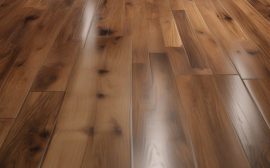
But maple, with its smooth, fine-grained surface, provides a clean, bright aesthetic. Its lighter tones create an airy ambiance, making it an excellent choice for smaller spaces or rooms with limited natural light. Hard maple, prized for its exceptional hardness, is particularly well-suited for high-traffic areas, making it a practical choice for homes with children and pets. Walnut, on the other hand, imbues a space with richness and depth. Its dark, chocolatey tones create a sense of luxury and sophistication, often used as a statement piece in formal dining rooms or studies. For those seeking sustainable wood flooring options, walnut harvested from responsibly managed forests provides an environmentally conscious choice.
Beyond these classic choices, a world of exotic and lesser-known species awaits. Brazilian cherry, with its vibrant reddish hues and dramatic graining, adds a touch of the exotic to any space. Hickory, known for its varied grain patterns and extreme hardness, offers a rugged, natural look, ideal for rustic or farmhouse-style interiors. Bamboo, a rapidly renewable resource, provides an eco-friendly alternative to traditional hardwoods, while its unique texture and warm tones add a touch of natural elegance.
When selecting a wood species, it’s essential to consider not only the aesthetic appeal but also the practical requirements of the space. Factors such as foot traffic, moisture levels, and the overall design scheme play a crucial role in determining the best wood floor type for your needs. Engineered wood, constructed with a layered core and a hardwood veneer, offers increased stability and resistance to moisture, making it a suitable choice for kitchens and basements. Prefinished flooring, factory-finished with a protective sealant, simplifies the installation process and reduces on-site finishing time, making it a popular option for home improvement projects. The cost of hardwood flooring varies depending on the species, grade, and finish, but its enduring beauty and timeless appeal make it a valuable investment that enhances the value and aesthetic of any home. Whether you opt for the classic charm of oak, the contemporary elegance of maple, or the rich warmth of walnut, hardwood flooring continues to be a sought-after choice for its ability to transform a house into a home.
Aesthetic Trends Through the Ages: Parquet, Wide Planks, and More
From the intricate parquetry of Victorian-era homes to the sleek, wide planks popular in contemporary design, hardwood flooring has consistently reflected evolving aesthetic trends. Each era has left its indelible mark on the styles, finishes, and even the species of wood we see gracing floors today. The Victorian era, with its emphasis on ornate detail, saw parquet flooring rise to prominence. These intricate geometric patterns, often crafted from contrasting wood species, became a symbol of sophistication and craftsmanship. Parquet wasn’t merely a floor covering; it was an artistic expression, adding a layer of visual complexity and richness to grand interiors. This focus on craftsmanship extended to borders and inlays, further enhancing the decorative impact of hardwood floors. The early 20th century witnessed a shift towards simpler aesthetics. The Arts and Crafts movement embraced the natural beauty of wood, favoring wider planks and less elaborate patterns.
Oak, with its pronounced grain and durability, became a staple, reflecting a growing appreciation for natural materials and honest construction. This era also saw advancements in finishing techniques, allowing for clearer finishes that showcased the wood’s natural character. Mid-century modern design continued the trend toward simplicity, often featuring light-colored woods like maple and birch in clean, minimalist spaces. These lighter tones complemented the era’s focus on open floor plans and natural light. The emphasis shifted from intricate patterns to the inherent beauty of the wood itself, with smooth finishes and natural variations in color and grain taking center stage. As we moved into the late 20th and early 21st centuries, a renewed appreciation for rustic and reclaimed wood emerged.
Here’s the thing: this trend reflects a growing awareness of sustainability and a desire to incorporate materials with history and character. Wide plank flooring, often featuring distressed finishes or unique color variations, became increasingly popular, adding a touch of warmth and authenticity to modern interiors. Today, hardwood flooring trends continue to evolve, blending classic styles with contemporary influences.
Gray tones and other non-traditional finishes have gained popularity, offering a modern twist on a classic material. Engineered wood flooring, with its enhanced stability and versatility, has also expanded design possibilities, allowing for hardwood floors in areas previously unsuitable for solid wood. The focus on sustainability persists, with increasing demand for responsibly sourced wood and eco-friendly finishes.
From the intricate artistry of parquet to the clean lines of wide plank flooring, the history of hardwood flooring reflects not only our evolving aesthetic preferences but also our changing relationship with the natural world. Whether you prefer the timeless elegance of oak, the contemporary chic of maple, or the rich warmth of walnut, understanding the historical context of these trends allows you to make informed choices that enhance the beauty and value of your home.
Hardwood in the Home: Balancing Aesthetics and Practicality
When selecting hardwood flooring for residential spaces, homeowners must balance aesthetic appeal with practical considerations. The choice often reflects personal style while addressing functional needs such as foot traffic patterns and lifestyle demands. High-traffic areas like kitchens or hallways may require durable options like engineered wood or prefinished flooring to withstand wear, whereas formal spaces such as living rooms or dining rooms can showcase the elegance of solid hardwood species like oak or walnut. The natural grain and color variations of different woods further influence decisions—maple offers a bright, modern contrast, while walnut provides rich, warm tones that enhance cozy atmospheres. Understanding these material characteristics ensures selections align with both visual preferences and daily usage requirements.
The environmental impact of hardwood flooring is another critical factor in modern home design. Sustainable options like bamboo or reclaimed wood allow homeowners to reduce their ecological footprint while maintaining the beauty of natural wood. Responsibly sourced materials from certified forests or recycled sources not only support environmental preservation but also add unique character through their history or texture. This consideration extends to manufacturing processes, where eco-friendly finishes and low-VOC adhesives can further minimize a home’s carbon footprint. By prioritizing sustainability, homeowners can achieve a stylish yet responsible choice that complements their values without compromising on quality or aesthetics.
Practical aspects of hardwood flooring extend beyond material selection to installation and long-term maintenance. Engineered wood, for instance, offers cost-effective alternatives to solid hardwood while providing stability in varying climates. Installation methods must also consider a home’s architectural style—wide plank flooring suits modern minimalist designs by emphasizing spaciousness, while parquet or narrow strips may better complement historic or traditional interiors. Ongoing care, including regular cleaning and periodic refinishing, is essential to preserve the floor’s appearance and durability. These maintenance requirements vary by wood type and finish, influencing the overall investment in both time and resources.
Cost considerations play a significant role in hardwood flooring decisions, affecting both initial expenses and long-term value. While solid hardwood tends to be more expensive upfront, its timeless appeal and potential to increase property value make it a worthwhile investment. Engineered wood provides a budget-friendly alternative without sacrificing durability, making it ideal for homeowners seeking affordability. Additionally, understanding the lifecycle of different wood types—such as the need for refinishing solid hardwood versus the lower maintenance of prefinished options—helps in planning for future upkeep. These financial and practical evaluations ensure that the chosen flooring remains both beautiful and functional over time.
Hardwood flooring decisions require a holistic approach that integrates aesthetics, practicality, sustainability, and budget. By evaluating factors like lifestyle needs, design coherence, and environmental responsibility, homeowners can create spaces that reflect their personal style while enhancing livability. Whether opting for the classic warmth of oak or the contemporary lines of wide plank flooring, hardwood remains a versatile choice that adapts to diverse tastes and requirements. This thoughtful selection process not only elevates a home’s interior but also underscores a commitment to quality, sustainability, and enduring value.
Hardwood in Commercial Settings: Durability and Performance
In the bustling world of commercial spaces, flooring must withstand the daily rigors of heavy foot traffic, spills, and the constant movement of furniture and equipment. Durability and ease of maintenance are paramount, making engineered wood and prefinished options popular choices for their resilience and cost-effectiveness. Engineered wood’s layered construction, often incorporating a high-wear top layer of hardwood over a more stable core, provides exceptional stability in high-traffic areas and fluctuating humidity levels, a common challenge in commercial settings. Prefinished flooring, with its factory-applied protective coatings, streamlines installation and minimizes downtime, a crucial factor for businesses. This combination of durability and efficiency makes these flooring solutions particularly appealing for retail stores, restaurants, and office spaces. From a sustainability perspective, engineered wood can utilize rapidly renewable wood sources for its core layers, reducing the demand for slower-growing hardwood species. The controlled factory environment of prefinishing also minimizes VOC emissions, contributing to healthier indoor air quality, a significant concern for architects, designers, and environmentally conscious businesses. Moreover, the longevity of these flooring options reduces the need for frequent replacements, minimizing waste and lifecycle costs, aligning with sustainable design principles. The selection of wood species also plays a significant role in commercial settings. Oak, known for its strength and classic appeal, is a timeless choice for high-traffic areas. Maple, with its smooth surface and resistance to scratches, is well-suited for retail environments. For a touch of elegance and warmth, walnut flooring can create a sophisticated atmosphere in executive offices or upscale hospitality venues.
The aesthetic choices can be further enhanced with parquet patterns, offering intricate designs that complement historical or traditional architectural styles. Wider plank formats can create a sense of spaciousness in modern commercial interiors, aligning with contemporary design trends. From an interior design perspective, the flooring in commercial spaces sets the stage for the overall aesthetic. Light-colored maple flooring can brighten up a space and create a sense of airiness, while darker walnut adds a touch of drama and sophistication. Consider the brand identity and target audience when selecting flooring, as the right choice can enhance the overall customer experience. Architects often specify engineered wood for its dimensional stability and compatibility with underfloor heating systems, increasingly popular in commercial buildings. The ease of installation and reduced construction time offered by prefinished options also contribute to project efficiency, a key factor in commercial construction. Finally, the investment in high-quality commercial hardwood flooring pays off in the long run. While the initial cost might be higher than other flooring options, the durability and reduced maintenance requirements translate to lower lifecycle costs. This long-term value, combined with the aesthetic appeal and positive environmental impact, makes hardwood flooring a sound investment for any commercial space. By considering these factors, businesses can select a flooring solution that not only meets their practical needs but also enhances the overall design and contributes to a sustainable future. Whether it’s a bustling retail store, a welcoming restaurant, or a productive office environment, the right hardwood flooring choice can make all the difference.
The Environmental Footprint: Sustainable Hardwood and Alternatives
The environmental impact of hardwood flooring is a significant consideration for today’s conscientious consumers and builders. Sustainable forestry practices are no longer optional; they are essential. These practices involve not only responsible harvesting, where trees are selected and removed in a way that minimizes disruption to the ecosystem, but also robust replanting programs that ensure the long-term health and diversity of our forests. Certifications from organizations like the Forest Stewardship Council (FSC) provide a reliable way to identify hardwood products sourced from responsibly managed forests, offering peace of mind to those concerned about their environmental footprint. Reclaimed wood presents another excellent eco-conscious choice. This material, often sourced from deconstructed buildings or old structures, not only diverts waste from landfills but also brings a unique character and history to a space, adding a sense of authenticity that new materials cannot replicate.
The use of reclaimed wood contributes to the circular economy, reducing the demand for newly harvested timber and minimizing environmental impact.
Beyond reclaimed wood, alternative materials like bamboo have gained significant traction in the sustainable flooring market. While technically a grass, bamboo offers the look and feel of hardwood, but it grows incredibly quickly, making it a highly renewable resource.
Bamboo flooring is also known for its durability and versatility, making it suitable for a range of applications from residential spaces to light commercial settings. Furthermore, the processing of bamboo into flooring typically requires less energy than the processing of traditional hardwoods, further reducing its environmental footprint. When considering engineered wood options, it’s important to look for those made with low-VOC (volatile organic compound) adhesives, as this contributes to better indoor air quality and reduces the overall impact on health. The composition of engineered wood also allows for more efficient use of timber resources, as it utilizes a thin layer of hardwood bonded to a core of less expensive material, reducing the demand for solid hardwood.
The selection of finishes also plays a role in the sustainability of hardwood flooring. Water-based finishes are generally considered a more environmentally friendly alternative to traditional solvent-based finishes, as they release fewer harmful chemicals into the air during application and curing. These finishes also tend to be lower in VOCs, contributing to healthier indoor environments. Moreover, proper maintenance practices can significantly extend the life of a hardwood floor, reducing the need for frequent replacements and further minimizing environmental impact. Regular cleaning with appropriate products, along with touch-up repairs when needed, can help ensure the long-term durability and beauty of hardwood flooring, maximizing its lifespan and minimizing waste. Architects and interior designers are increasingly specifying sustainable hardwood options in their projects, demonstrating a commitment to both environmental responsibility and aesthetic excellence. This growing trend highlights the importance of making informed choices when selecting flooring materials, considering not only the immediate visual impact but also the long-term environmental consequences.
For commercial spaces, the demand for durable and sustainable flooring solutions is particularly high. Engineered wood with a wear layer made from a sustainably harvested species offers a practical and environmentally responsible choice, capable of withstanding heavy foot traffic while minimizing its environmental impact. The ability to refinish engineered wood multiple times further extends its lifespan, reducing the need for frequent replacements and associated resource consumption. When considering the cost of hardwood flooring, it’s essential to factor in not just the initial price but also the long-term value and environmental impact. Sustainable options may sometimes have a higher upfront cost, but their durability and reduced environmental footprint often make them a more cost-effective and responsible choice in the long run. The trend towards sustainable hardwood flooring is not just a passing fad; it represents a fundamental shift in consumer values and a growing awareness of the importance of environmental responsibility in all aspects of construction and design. As we move forward, it is crucial to continue to support sustainable forestry practices, explore innovative alternative materials, and prioritize the long-term health of our planet. The choices we make today will have a lasting impact on the future of our forests and the built environment.
The Investment in Hardwood: Understanding the Costs
Investing in hardwood flooring requires careful consideration of various factors that influence the overall cost. Understanding these factors empowers homeowners and professionals to make informed decisions that align with their budget and project goals. The price of hardwood flooring fluctuates based on the chosen species, the complexity of the finish, and the installation method selected. For instance, exotic hardwoods like Brazilian Cherry or African Mahogany typically command higher prices than domestically sourced Oak or Maple due to factors like availability, transportation costs, and unique wood properties. Finishes also play a significant role, with hand-scraped or distressed finishes adding to the labor and material costs compared to a standard smooth finish. Installation methods further influence the final price, as intricate parquet patterns or custom inlays require specialized skills and more time, thus increasing labor expenses.
Engineered wood often presents a more budget-friendly alternative to solid hardwood, especially for large-scale projects or installations over concrete subfloors. Engineered wood’s layered construction, with a hardwood veneer atop a core of plywood or high-density fiberboard (HDF), offers comparable aesthetics at a lower price point. This construction also enhances dimensional stability, making it suitable for environments with fluctuating humidity levels. The cost of engineered wood varies depending on the thickness of the veneer and the quality of the core material. While the initial investment in hardwood flooring might seem substantial, it’s essential to consider the long-term value it adds to a property. Hardwood floors are renowned for their durability and longevity, often outlasting other flooring materials with proper care and maintenance. This durability translates to a higher return on investment when selling a home, as hardwood floors are a highly desirable feature for potential buyers. Furthermore, the timeless aesthetic appeal of hardwood flooring enhances the overall interior design and architectural character of a space, contributing to both its market value and the homeowner’s enjoyment. For environmentally conscious consumers, exploring sustainable hardwood options is paramount. Choosing wood certified by organizations like the Forest Stewardship Council (FSC) ensures that the timber has been harvested responsibly, minimizing environmental impact and promoting forest conservation. Reclaimed wood, salvaged from old barns, factories, or demolition sites, offers another eco-friendly alternative, adding unique character and history to a space while reducing demand for newly harvested timber. Additionally, rapidly renewable materials like bamboo, while not technically hardwood, provide a sustainable and stylish flooring option with comparable durability and aesthetic versatility. Before making a final decision, it’s advisable to obtain multiple quotes from reputable flooring installers. This allows for comparison of pricing, including material costs, labor charges, and any additional services like subfloor preparation or removal of existing flooring. Discussing project specifics and design preferences with installers ensures a clear understanding of the scope of work and helps avoid unexpected costs. By carefully evaluating these factors—species, finish, installation method, material type, sustainability considerations, and installer quotes—homeowners can make informed decisions that balance aesthetics, practicality, and budget when investing in the enduring beauty and value of hardwood flooring.