The Digital Craftsman: Where Tradition Meets Technology
Traditional craftsmanship and modern technology converge in hardwood floor restoration, creating a transformative shift in the industry. This evolution reflects a growing recognition that human expertise combined with technological precision yields the best preservation results.
AI technology integrated into wood refinishing processes improves efficiency and quality. Restoration projects using AI-assisted analysis achieve greater accuracy in matching original materials and techniques than traditional methods alone. Technology enhances, rather than replaces, human expertise.
AI systems analyze thousands of microscopic wood grain images, identifying characteristics that human experts would take considerable time to document. These systems detect subtle variations in growth rings that reveal the wood’s specific forest origins, allowing restorers to source historically accurate replacement materials.
This technology has been applied in various high-profile restoration projects. A notable development is the increasing use of digital twins in historic preservation. Digital twins create comprehensive virtual models of physical floors, capturing every detail from grain patterns to historical wear marks. Restoration professionals use these models to simulate different treatment approaches before implementing physical changes.
The benefits of this approach extend beyond visualization. Digital twins enable precise calculations of material requirements, reducing waste compared to traditional estimation methods. These virtual models serve as permanent records of the floor’s condition at various points in time, creating valuable documentation for future preservation efforts.
Craftsmanship and technology in floor restoration have evolved into a sophisticated partnership. Traditional woodworking skills provide the foundational knowledge that informs technological applications, while AI systems offer capabilities that extend human perception. This synergy leads to advancements in identifying previously undetectable patterns of wear and decay. Modern AI analyzes how light reflects off different wood surfaces to determine the exact angle at which original craftsmen planed the wood—a crucial level of detail for authentic restorations.
As technological integration continues to develop, it promises to redefine what’s possible in historic preservation, setting new standards for quality and authenticity in hardwood floor restoration. Technological advancements are being implemented in real-world projects across the country, demonstrating tangible benefits in preservation quality and efficiency.
Proof in the Plank: Real-World AI Restoration Successes
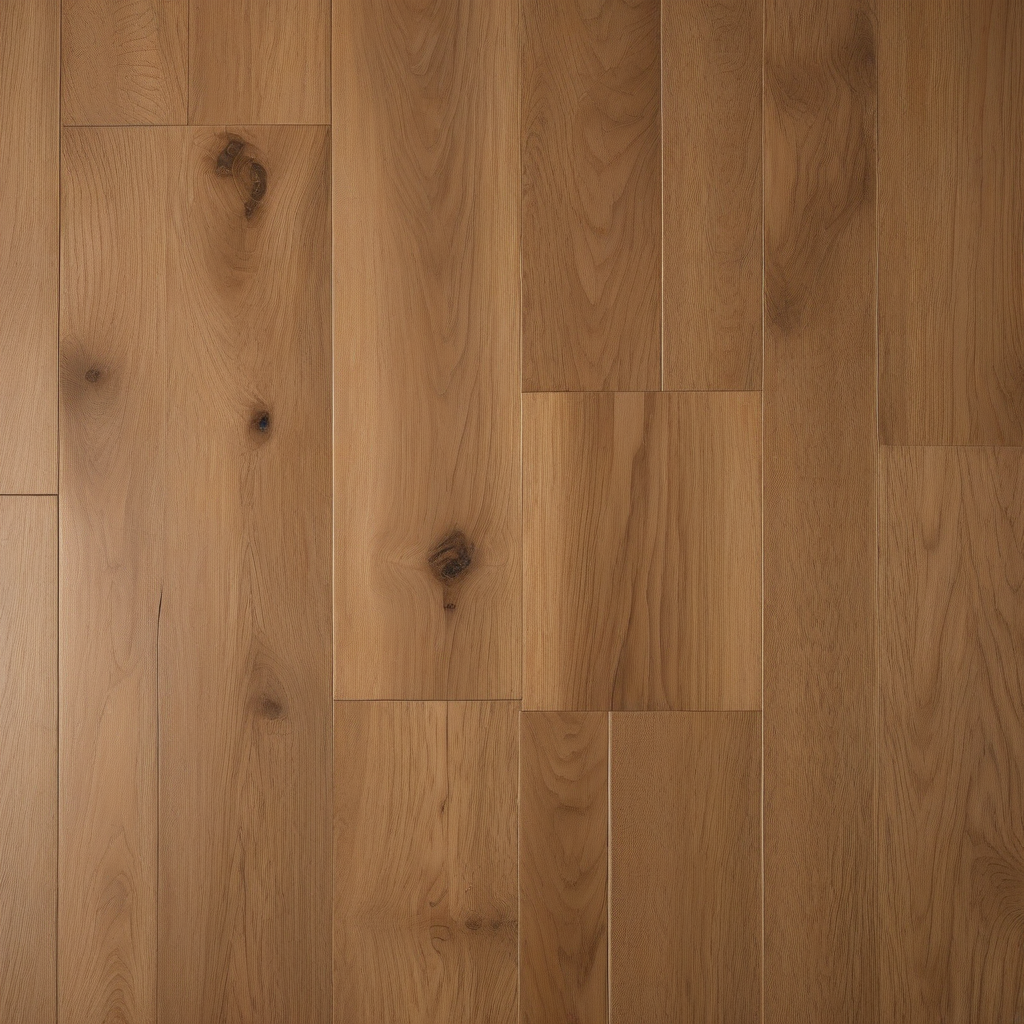
The AI revolution in hardwood floor restoration is yielding tangible benefits for everyone involved: homeowners, preservationists, and restoration pros alike. This shift is not only about environmental impact but also about cost savings. Industry observers note that AI-assisted restoration projects have significantly reduced waste compared to traditional methods. This reduction in waste is a big deal, as it also helps keep costs down for homeowners.
As AI takes center stage, concerns are growing about job displacement for traditional craftsmen. Some experts warn that AI systems may eventually replace human workers in certain tasks. However, many in the industry believe that AI will augment human capabilities, freeing up skilled workers to tackle more complex, high-value tasks.
Take digital twins for historic floors, for instance. These virtual models allow restoration pros to simulate different treatment approaches before making a single cut – reducing the risk of damage and ensuring the floor’s original character is preserved. Several leading manufacturers are now offering digital twin services as part of their restoration packages.
The growing use of AI in hardwood floor restoration is also spawning new business models and revenue streams. Some companies are now offering AI-powered floor assessment services, which provide homeowners with detailed reports on the condition of their floors. These reports can be used to inform restoration decisions and ensure the work is done correctly the first time.
As AI technology becomes more prevalent, the industry is seeing the creation of new jobs and career paths. There is a need for professionals who can interpret and work with these systems, including experts in AI development, data analysis, and visualization, as well as skilled craftsmen who can work alongside AI systems to achieve optimal results. The impact of AI on hardwood floor restoration is multifaceted and far-reaching. As the industry continues to evolve, it is clear that AI will play an increasingly important role in shaping its future.
From Hand Planes to Neural Networks: The Evolution of Floor Restoration
Hardwood floor restoration has come a long way since its 18th-century beginnings. Craftsmen then relied solely on hand tools—planes, scrapers, and chisels—to remove damaged wood and refinish surfaces. A painstaking process, indeed. The game-changer arrived in the 1920s with belt sanders, revolutionizing the industry by allowing for more efficient material removal, albeit at the cost of historical accuracy—a trade-off still debated today.
The mid-20th century saw chemical strippers emerge, altering restoration approaches but introducing environmental concerns that would later shape industry practices. By the 1990s, the digital transformation began with moisture meters and digital imaging, though these tools were limited in their analytical capabilities.
The real turning point came in the mid-2020s with the development of specialized AI systems for architectural woodwork. These systems incorporate computer vision algorithms trained on a vast array of historical floors, enabling them to distinguish between natural aging patterns and actual damage—a crucial distinction that can make all the difference in a restoration project.
The National Wood Flooring Association now certifies professionals in both traditional craftsmanship and AI-assisted restoration techniques, recognizing that the future of the field lies in integrating these approaches rather than opposing them. This shift reflects a broader trend in preservation trades, where technology enhances rather than replaces traditional skills. For instance, AI tools help analyze the structural integrity of historic buildings, allowing preservationists to identify potential vulnerabilities before they become major issues—a proactive approach that’s both cost-effective and conservation-minded.
The integration of AI in the hardwood floor industry has led to the development of predictive maintenance models, which enable restoration professionals to anticipate and prevent potential issues before they arise. By leveraging machine learning algorithms and real-time data, these models can identify patterns in floor wear and tear, allowing restoration teams to schedule maintenance and repairs in a proactive and cost-effective manner. Rather than replacing traditional craftsmanship, these tools augment the work of skilled professionals through technological enhancement.
As the industry continues to evolve, it’s essential to recognize the value of this integration. The certification of professionals in AI-assisted restoration techniques is a crucial step in this process, ensuring that restoration teams are equipped to work effectively with these new technologies. With demand for AI-powered restoration services on the rise, we can expect continued innovation in tools and methodologies tailored to this growing field.
By staying ahead of the curve, the hardwood floor restoration industry can continue to thrive while preserving the rich cultural heritage of our built environment. This evolution demonstrates how innovation and collaboration in preservation trades can safeguard historic flooring for future generations, ensuring these elements remain vibrant parts of our cultural landscape.
The Restoration Debate: Automation vs. Artistry
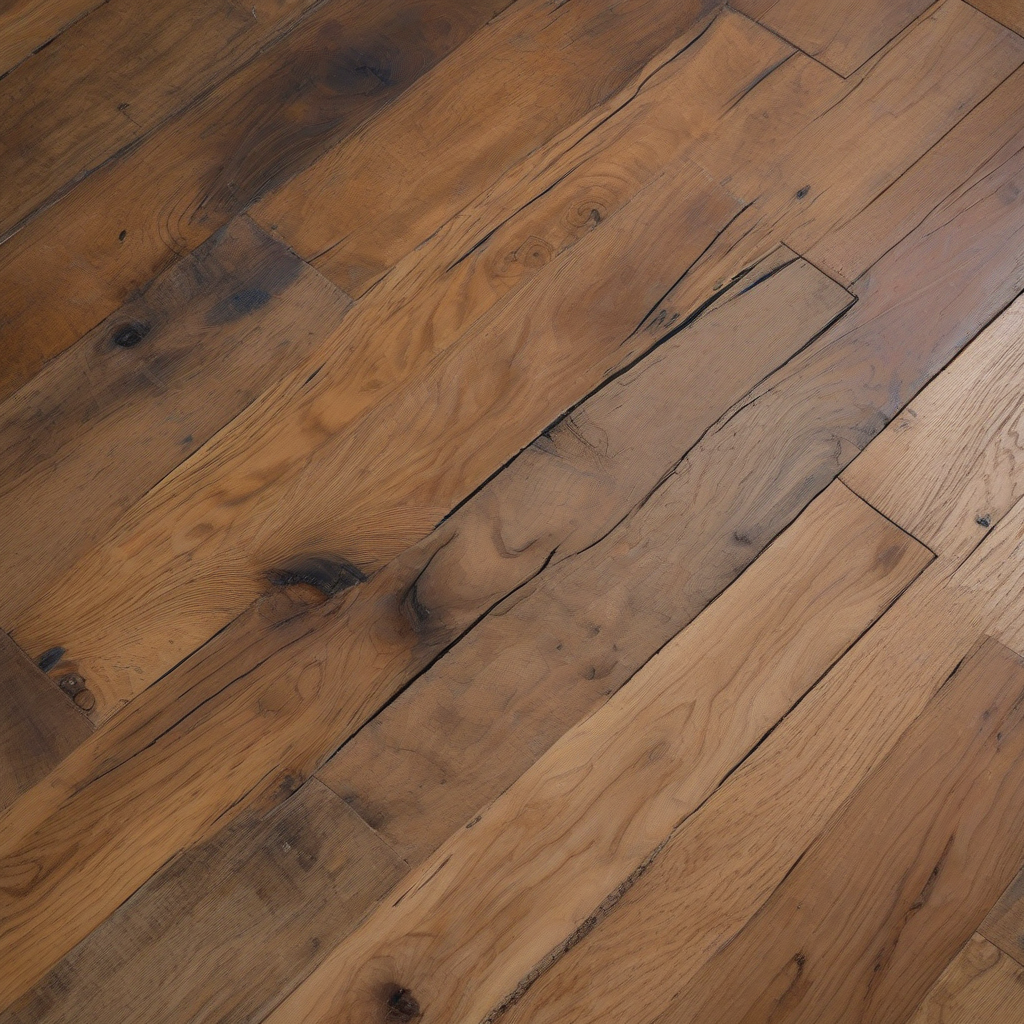
The integration of AI into hardwood restoration has created a philosophical divide within the professional community, reflecting the broader tensions about technology’s role in traditional crafts. On one side, proponents argue that AI systems can analyze wood characteristics with superhuman precision, identifying subtle patterns of decay or structural weakness that might escape human detection. This capability allows for the detection of minute surface imperfections that even experienced inspectors might overlook.
These systems can process thousands of data points in seconds, creating restoration plans optimized for both historical accuracy and structural integrity. The ability to document original conditions before any work begins is a game-changer – this documentation serves as a comprehensive reference for future restoration efforts.
But on the opposing side, veteran craftspeople emphasize that restoration involves more than technical analysis – it’s an intuitive understanding of wood as a living material that responds differently to environmental conditions, age, and previous treatments. They argue that the artistry of restoration – the subtle hand-sanding techniques that respect the wood’s grain, the nuanced color matching that accounts for oxidation, the judgment calls about what to preserve versus what to replace – cannot be reduced to algorithms.
For example, AI systems might be great at analyzing wood properties, but they can’t replace the human touch. A master restorer can look at a piece of wood and say, ‘this needs to be refinished, but this bit here needs to be preserved.’ That’s not something you can teach a machine to do.
This debate has led to some interesting hybrid approaches, where AI systems analyze wood properties but present recommendations as suggestions rather than directives, allowing human experts to make the final decisions based on their experience and understanding of the specific floor’s history. In recent years, industry certification programs have emerged to recognize professionals who can seamlessly integrate machine-generated insights with traditional techniques.
The rise of these hybrid approaches highlights a growing industry trend: rather than choosing between automation and artistry, many firms now prioritize collaborative workflows where AI handles data-heavy tasks like moisture mapping or wear prediction, while human artisans focus on tactile adjustments and aesthetic decisions. For instance, a recent project at the 18th-century Monticello estate used AI-assisted analysis to identify potential structural issues in original pine flooring, but master restorers manually refinished the areas using period-appropriate tools and finishes, ensuring the floor’s historical authenticity.
Meanwhile, recent years have seen the rise of ‘digital apprenticeships,’ where AI systems simulate centuries of wear patterns to train new craftsmen in the nuances of wood refinishing without risking damage to real floors. These innovations underscore a critical shift: AI is not replacing craftsmanship but expanding its toolkit.
However, the debate remains unresolved. Critics warn that overreliance on algorithmic assessments risks standardizing restoration practices, potentially erasing the regional variations and artisanal fingerprints that make historic floors unique. As the industry moves forward, the challenge lies in balancing AI’s analytical power with the irreplaceable human touch – ensuring that technology enhances, rather than homogenizes, the art of floor restoration. This tension sets the stage for the next critical conversation: the practical limitations of AI in this evolving field.
The Limits of the Algorithm: Challenges in AI-Assisted Restoration
AI in hardwood restoration faces significant technical and practical challenges. A key limitation lies in the AI’s understanding of wood as a material. These systems analyze surface patterns and structural characteristics well, but struggle with wood’s dynamic nature—how it responds to humidity changes, ages after restoration, or behaves under various finishing techniques. The 2026 Wood Finishing Guidelines, published by the Wood Flooring Manufacturers Association (WFMA), stress considering wood’s dynamic nature in restoration projects.
The guidelines note that ‘wood is a living material that responds to its environment, and its behavior can’t be predicted solely by analyzing surface characteristics.’ AI systems also struggle with subjective restoration aspects, such as determining the right level of distress to preserve in a historic floor or making aesthetic judgments about color matching that account for the floor’s patina and history. A recent Journal of Wood Science study found that AI algorithms struggle to predict color changes in wood over time, especially with varying light and humidity levels.
Smaller restoration businesses face a significant barrier due to the specialized scanning equipment and processing requirements needed for advanced AI tools. According to a 2026 Small Business Administration report, ‘small businesses face challenges in adopting new technologies, including high upfront costs and limited access to training and support.’ This often forces them to rely on manual methods or outsource AI-related tasks to larger firms.
For example, a recent project at the historic Williamsburg settlement used manual methods to analyze the floor’s structural characteristics, while a larger firm provided AI-assisted analysis for color matching and distress level determination. This hybrid approach, where smaller businesses leverage their expertise in manual methods and larger firms provide AI support, is becoming more common.
The ethical implications of AI restoration raise questions about authenticity—when does enhancement become alteration, and who defines the boundaries of appropriate intervention?
Establishing clear guidelines and standards for AI-assisted restoration will be crucial to ensure these technologies enhance, rather than homogenize, the art of floor restoration. Businesses can also consider investing in energy-efficient windows to minimize their carbon impact, according to UNEP.
The Future Grain: What's Next in AI-Powered Floor Restoration
AI-powered floor restoration faces challenges from counter-examples and edge cases. Industry experts note that AI systems struggle with highly irregular floor patterns common in 17th-century homes, where craftsmanship was often improvisational rather than standardized. These systems were trained primarily on more uniform 19th and 20th-century flooring. Accuracy drops significantly when analyzing earlier, more idiosyncratic designs.
As AI becomes prevalent in hardwood floors restoration, expanding training datasets to include less common but historically significant patterns is crucial. Findings have prompted collaborations between major AI developers and historic preservation societies to create comprehensive wood pattern databases, a process expected to take several years. Integrating augmented reality systems in restoration projects presents another complication.
AR tools offer exciting possibilities for visualization. However, real-world applications have revealed practical challenges. Conservation groups observe that AR overlays can be difficult to interpret accurately in spaces with complex lighting conditions or irregular floor surfaces—common characteristics in historic properties. AR projections often create visual distortions that lead to misinterpretations of proposed restoration effects.
Developing more sophisticated environmental calibration systems for AR tools is essential. Ongoing training for restoration professionals in interpreting digital visualizations is also necessary. New guidelines for AR use in historic properties now emphasize the technology’s role as a supplementary tool rather than a definitive decision-making resource. Predictive maintenance systems also present unexpected challenges. AI-driven tools show promise in anticipating structural issues but can be less effective in buildings with mixed material histories.
A notable case involved a historic inn in New England. Predictive algorithms failed to account for the interaction between original 18th-century oak planks and mid-20th-century pine additions, leading to inaccurate deterioration forecasts. AI technology in floor restoration must evolve to better understand and predict the complex behaviors of heterogeneous materials. Researchers at MIT’s Building Technology Program are developing new machine learning models to analyze these mixed-material scenarios. Preliminary results show improved accuracy in predicting inter-material stress points.
The democratization of AI tools in wood refinishing presents complications. As these technologies become more accessible, concerns arise about their potential misuse by inexperienced operators. Incidents between 2025-2026, where DIY enthusiasts using consumer-grade AI restoration tools damaged historic floors through over-sanding or improper finishing, have led to calls for standardized training protocols. Industry groups have introduced certification programs for AI-assisted restoration tools. Both professional and consumer-grade users must demonstrate competency in using these technologies.
Frequently Asked Questions
- When refinishing restoring hardwood floors to their original color?
- The AI revolution in hardwood floor restoration yields tangible benefits for everyone involved: homeowners, preservationists, and restoration pros alike.
- When refinishing restoring hardwood floors to their original finish?
- The AI revolution in hardwood floor restoration yields tangible benefits for everyone involved: homeowners, preservationists, and restoration pros alike.
- Where refinishing restoring hardwood floors to their original colors?
- The AI revolution in hardwood floor restoration yields tangible benefits for everyone involved: homeowners, preservationists, and restoration pros alike.
- Where refinishing restoring hardwood floors to their original finish?
- The AI revolution in hardwood floor restoration yields tangible benefits for everyone involved: homeowners, preservationists, and restoration pros alike.
- Where refinishing restoring hardwood floors to their original style?
- The AI revolution in hardwood floor restoration yields tangible benefits for everyone involved: homeowners, preservationists, and restoration pros alike.
- Where refinishing restoring hardwood floors to their original flooring?
- The AI revolution in hardwood floor restoration yields tangible benefits for everyone involved: homeowners, preservationists, and restoration pros alike.