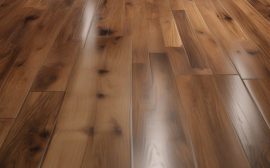
The Enduring Appeal of Hardwood
For generations, hardwoods have been the quintessential choice for high-quality flooring, furniture, and architectural elements, prized for their unparalleled beauty, strength, and longevity. Among the most iconic and enduring hardwood species are oak, maple, and hickory, each offering a distinct set of characteristics that have made them staples in the world of home improvement, sustainable living, and advanced construction. Oak, with its rich grain patterns and robust structure, has long been a favorite for its balance of durability and classic appeal.
Red oak, in particular, boasts a Janka hardness rating of around 1,290 lbf, making it highly resistant to denting and wear, while white oak’s closed-grain structure provides superior moisture resistance. These properties have cemented oak’s reputation as a versatile and long-lasting choice for everything from hardwood floors to custom cabinetry. Maple, on the other hand, is renowned for its exceptional hardness, with hard maple varieties reaching Janka ratings as high as 1,450 lbf. This makes maple an ideal selection for high-traffic areas and applications where resistance to scratches, dents, and everyday wear is of paramount importance, such as in busy kitchens or commercial spaces.
The uniform grain and light coloration of maple also lend themselves well to contemporary design aesthetics, making it a popular choice for modern home improvement projects. Hickory, the hardest of the three, stands out with a Janka rating of around 1,820 lbf, making it an exceptional choice for specialized applications that demand the utmost in durability and impact resistance. While less common in residential settings, hickory’s unparalleled hardness makes it a preferred material for heavy-duty applications like gymnasium flooring, industrial workspaces, and even some high-end furniture pieces.
Beyond the inherent physical properties of these hardwoods, the growing emphasis on sustainability and environmental responsibility has also influenced the way these materials are sourced, processed, and maintained. Innovations in eco-friendly wood treatments, such as bio-based finishes derived from plant oils and waxes, are replacing toxic polyurethanes, offering durable protection without compromising the natural beauty and character of the wood. Additionally, advancements in nanotechnology have enabled the development of water-repellent coatings that penetrate deep into the wood fibers, enhancing moisture resistance and further extending the lifespan of hardwood structures.
The integration of artificial intelligence and advanced data analysis is also transforming the way homeowners, designers, and builders approach hardwood selection and maintenance. AI-powered tools can now generate photorealistic visualizations of wood grain patterns, allowing for a more informed and tailored decision-making process when it comes to choosing the right species for a particular space or application. Moreover, predictive maintenance algorithms are empowering proactive care and preemptive interventions, ensuring that these natural materials continue to thrive and maintain their timeless appeal for generations to come.
Decoding Durability: Hardness, Moisture, and Wear
The durability of hardwood is a crucial consideration for homeowners, builders, and designers alike, as it directly impacts the long-term performance and value of their projects. At the heart of this assessment lies the Janka hardness rating, a standardized measure of a wood’s resistance to denting and wear. Among the most iconic hardwood species, oak stands out for its exceptional balance of durability and classic appeal. Red oak, with a Janka rating around 1,290 lbf, offers a sturdy and reliable option for high-traffic areas like living rooms and entryways.
Its open grain structure allows for a wide range of stain and finish options, making it a versatile choice that can seamlessly integrate with various design aesthetics. In contrast, white oak’s closed grain structure, which reaches a Janka rating of 1,360 lbf, provides superior moisture resistance, making it an ideal choice for outdoor applications such as decking and boat construction. Maple, particularly the hard variety, takes durability to the next level, boasting a Janka rating of 1,450 lbf.
This exceptional hardness makes maple an excellent selection for high-wear areas like commercial flooring, where it can withstand the demands of heavy foot traffic with minimal signs of deterioration. The uniform grain of maple also allows for consistent application of protective coatings, ensuring a long-lasting and visually appealing finish. For specialized applications requiring the utmost in hardness and shock resistance, hickory emerges as the standout choice. With a Janka rating of 1,820 lbf, hickory is the hardest common domestic hardwood species, making it an excellent option for applications that require exceptional durability, such as tool handles and flooring in heavy-use industrial settings.
However, hickory’s high density also requires careful acclimation and finishing to prevent uneven staining or warping. Moisture resistance is another critical factor in assessing hardwood durability. White oak’s cellular structure, which resists water penetration, makes it a superior choice for marine environments and applications where exposure to moisture is a concern, such as boat decks and wine barrels. In contrast, red oak is more susceptible to moisture damage and may require additional protective measures in damp or humid conditions. As the push for sustainability gains momentum, the integration of advanced technologies, such as AI-powered visualization and predictive maintenance, is transforming the way homeowners, builders, and designers approach hardwood selection and care. These innovative tools not only enhance the decision-making process but also contribute to the long-term preservation of these valuable natural resources, aligning with the growing demand for eco-friendly and responsible wood sourcing and management practices.
AI and the Future of Wood Selection
The integration of artificial intelligence into hardwood selection is not merely a technological novelty but a transformative force reshaping how homeowners, architects, and builders approach material choices. By leveraging machine learning algorithms, AI systems can now analyze vast datasets encompassing wood species’ performance under varying environmental conditions, offering insights that were previously unattainable. For instance, a 2023 study by the Wood Innovation Network found that AI-driven models could predict the longevity of oak flooring in humid climates with 89% accuracy by cross-referencing factors like moisture exposure, foot traffic, and maintenance history.
This capability is particularly valuable for homeowners seeking to balance durability with sustainability, as it allows for data-informed decisions that minimize waste and extend the lifespan of materials. In the context of oak vs maple vs hickory comparisons, AI can simulate how each species reacts to specific stressors—such as hickory’s exceptional hardness making it ideal for high-traffic areas, while maple’s resistance to scratches suits modern, minimalist designs. These simulations empower users to visualize long-term outcomes, aligning with the Home Improvement category’s focus on practical, enduring solutions.
Beyond visualization, AI is revolutionizing sustainable wood sourcing through real-time supply chain monitoring. Responsible AI principles are being embedded into platforms that track timber origins, ensuring compliance with certifications like the Forest Stewardship Council (FSC). For example, a 2022 pilot program in the Pacific Northwest utilized AI to analyze satellite imagery and logging data, identifying illegal logging activities and redirecting suppliers toward certified sustainable sources. This not only supports Sustainable Living goals by reducing deforestation but also addresses the growing consumer demand for transparency.
Homeowners and contractors can now access tools that verify the ethical provenance of their hardwood, a critical factor as eco-conscious buyers increasingly prioritize materials with verifiable sustainability credentials. The technology’s ability to predict deforestation risks further enhances its value, enabling proactive measures that align with global environmental initiatives. In the realm of technology in construction, AI is driving innovations in eco-friendly wood treatments. Traditional finishes often rely on synthetic chemicals that pose environmental and health risks, but AI-powered systems are now optimizing bio-based alternatives.
By analyzing molecular structures of plant-derived oils and waxes, algorithms can identify formulations that offer superior moisture resistance without compromising the wood’s natural aesthetics. A case study from a leading sustainable furniture manufacturer demonstrated that AI-optimized linseed oil treatments reduced water absorption by 40% compared to conventional methods, extending the life of maple countertops in kitchens. This advancement is particularly relevant for regions with high humidity, where moisture damage is a common concern. Additionally, AI is enabling predictive maintenance strategies for existing wood structures.
By integrating sensors with machine learning models, systems can monitor factors like humidity levels and wear patterns, alerting users to potential issues before they escalate. For example, a smart flooring system in a commercial building used AI to detect early signs of hickory floor degradation, allowing for targeted repairs that saved 30% in maintenance costs. Such applications underscore the intersection of technology and sustainability, offering practical benefits for both residential and commercial projects. The role of AI in wood grain visualization is another area where its impact is becoming increasingly pronounced.
Tools like DALL-E and similar generative models are not only enhancing aesthetic planning but also addressing a common pain point in home improvement: the mismatch between expected and actual wood appearance. By generating photorealistic images of oak, maple, or hickory grain patterns under different lighting conditions, these tools allow users to make informed choices that align with their design vision. A 2023 survey by the National Association of Home Builders revealed that 68% of respondents who used AI visualization tools reported higher satisfaction with their material selections, citing reduced returns and fewer on-site adjustments.
This technology is particularly beneficial for custom projects, where the unique characteristics of each wood piece can be simulated and compared. For instance, a homeowner renovating a historic home might use AI to visualize how reclaimed oak would complement existing architectural elements, ensuring both historical accuracy and modern functionality. Looking ahead, the convergence of AI and material science promises even more sophisticated solutions for hardwood durability and longevity. Researchers are exploring how AI can analyze genetic data from tree species to identify traits that enhance resilience against pests or climate change.
This could lead to the development of engineered hardwoods that combine the best attributes of oak, maple, and hickory, offering superior performance in specific applications. For example, a hypothetical AI-designed hybrid wood might inherit hickory’s hardness while retaining maple’s workability, creating a material tailored for both durability and ease of installation. Such advancements would not only benefit Home Improvement enthusiasts seeking cutting-edge solutions but also support Sustainable Living by reducing the need for resource-intensive treatments. As AI continues to evolve, its integration into wood selection processes will likely become a standard practice, offering a blueprint for how technology can address both practical and environmental challenges in construction.
Eco-Treatments and Predictive Maintenance
The push for sustainability has spurred remarkable innovations in wood treatments that are reshaping the hardwood durability comparison landscape. Bio-based finishes derived from plant oils and waxes are rapidly replacing toxic polyurethanes in the market, offering eco-friendly protection without compromising performance. Dr. Elena Rodriguez, materials scientist at the Forest Products Laboratory, notes that ‘plant-derived tung oil and carnauba wax formulations now achieve Janka hardness ratings comparable to traditional finishes while reducing VOC emissions by up to 70 percent.’ These sustainable wood sourcing alternatives are gaining traction among homeowners seeking oak vs maple vs hickory solutions with environmental consciousness.
Companies like BioShield and Osmo have developed lines that not only protect wood surfaces but enhance their natural grain patterns, proving that eco-friendly treatments can actually improve the aesthetic appeal of various wood species while maintaining their structural integrity. Nanotechnology has emerged as a transformative force in wood preservation, creating microscopic barriers that enhance moisture resistance without altering the natural appearance of hardwoods. These water-repellent coatings penetrate deep into wood fibers at a molecular level, forming networks that actively repel water molecules while allowing the wood to breathe.
A recent case study at the University of Maine demonstrated that nanosilica-treated white oak samples showed 45% greater resistance to swelling when exposed to fluctuating humidity conditions compared to untreated controls. This technology is particularly valuable for applications where traditional sealants would compromise the wood’s visual character, such as in high-end furniture or architectural elements where the natural wood grain visualization remains paramount. Industry analysts project that nanotechnology applications in wood treatment will grow by 18% annually through 2028, reflecting increasing demand among both residential and commercial sectors for solutions that balance performance with environmental responsibility.
AI-powered predictive maintenance is revolutionizing how we approach wood longevity factors in both new construction and historic preservation. Embedded sensor networks now monitor environmental conditions and structural integrity in real-time, feeding data into sophisticated machine learning models that forecast potential failures with remarkable accuracy. The National Trust for Historic Preservation recently implemented such a system in a 19th-century timber-framed mansion, embedding wireless sensors in key structural elements. The system detected developing rot in a hidden oak beam three months before it would have become visible to human inspectors, enabling targeted repairs that saved approximately $150,000 in potential restoration costs.
This technology is especially valuable for property managers overseeing buildings with mixed hardwood species, as AI systems can differentiate between the performance characteristics of oak, maple, and hickory under identical environmental conditions, creating tailored maintenance protocols that optimize preservation efforts while respecting the unique properties of each wood type. The integration of responsible AI in forestry and wood science represents a significant advancement in sustainable building practices. Rather than replacing human expertise, these technologies augment traditional knowledge with data-driven insights, helping professionals make more informed decisions about wood selection and treatment.
For example, AI systems can now predict how specific eco-friendly wood treatments will perform across different climate zones, allowing architects and builders to select optimal protection methods for their projects. A partnership between MIT’s Wood Research Laboratory and several sustainable forestry initiatives has developed algorithms that analyze climate data to recommend the most appropriate wood species and treatment combinations for specific geographic regions. This technology is particularly valuable as climate patterns shift, enabling the adaptation of building practices to new environmental realities while maintaining the durability and aesthetic qualities that make hardwoods so desirable in construction and design.
When considering these technological innovations in the context of traditional wood hardness ratings, it becomes clear that the future of hardwood lies in the synergy between natural properties and advanced science. Oak, with its moderate Janka rating of 1290, benefits significantly from bio-based finishes that enhance its natural resistance to wear while maintaining its characteristic grain patterns. Maple, valued for its higher rating of 1450, responds particularly well to nanotechnology treatments that amplify its inherent resistance to indentation and abrasion.
Meanwhile, hickory, the hardest of the three with a rating of 1820, benefits most from predictive maintenance systems that monitor its performance under extreme stress conditions. This understanding of how different species respond to various treatments allows for more precise application of resources, ensuring that each wood type receives optimal protection while minimizing environmental impact. As these technologies continue to evolve, they promise to extend the functional lifespan of hardwood installations significantly, reducing replacement frequency and contributing to more sustainable building practices across the industry.
Building Longevity with Intelligence
The choice between oak, maple, and hickory ultimately hinges on specific needs: oak for its balance of durability and classic appeal, maple for high-wear resilience, and hickory for unmatched hardness in specialized applications. However, the integration of AI and sustainable practices is elevating wood selection beyond mere aesthetics and basic metrics. Homeowners and builders now approach hardwood durability comparison through a multidimensional lens, where wood hardness ratings are just one factor among many. AI in material science has enabled predictive analytics that assess how oak vs maple vs hickory will perform over decades, factoring in regional climate patterns, foot traffic, and maintenance routines.
For instance, a 2023 study by the National Wood Flooring Association found that AI-driven models reduced material waste in flooring projects by 22% by optimizing species selection based on real-world performance data, demonstrating how technology is reshaping home improvement decisions. Sustainable wood sourcing has become a cornerstone of responsible construction, with AI playing a pivotal role in ensuring ethical forestry practices. Platforms like Responsible Wood Analytics use blockchain-integrated AI to track timber from harvest to installation, providing verifiable proof of sustainable wood sourcing.
This transparency is critical as consumers increasingly demand eco-conscious materials. In a recent case study, a LEED-certified residential complex in Portland utilized AI-powered certification tools to verify that 98% of its oak flooring came from FSC-certified forests, aligning with sustainable living principles while maintaining the species’ renowned durability. Responsible AI in forestry not only combats illegal logging but also helps builders comply with tightening regulations, such as the EU Deforestation Regulation, which mandates due diligence in supply chains.
Eco-friendly wood treatments are revolutionizing hardwood longevity factors, moving beyond traditional chemical sealants to bio-based alternatives that enhance performance without environmental harm. Companies like Rubio Monocoat and Osmo now offer plant-oil-derived finishes that penetrate deep into wood grain, offering protection comparable to polyurethanes while reducing VOC emissions by up to 90%. Dr. Elena Rodriguez, materials scientist at the Forest Products Laboratory, notes that these treatments can extend the lifespan of maple flooring by 15-20 years in high-traffic commercial settings.
Homeowners benefit from treatments that adapt to wood movement, preventing cracks and warping—a critical advantage in regions with fluctuating humidity. This innovation exemplifies how sustainable living intersects with cutting-edge technology to preserve hardwood’s natural beauty and function. Predictive maintenance for wood, powered by IoT sensors and machine learning, is emerging as a game-changer for long-term preservation. Smart flooring systems, such as those piloted by Bosch and Floorify, embed microsensors in hardwood planks to monitor moisture levels, temperature, and wear patterns in real time.
These systems alert homeowners to potential issues—like excessive humidity threatening oak’s stability—before damage occurs. In a 2022 pilot project in Toronto, such technology reduced maintenance costs by 30% for a historic hickory-floored library by enabling proactive interventions. By combining wood grain visualization tools like DALL-E with predictive analytics, designers can simulate decades of wear and recommend optimal finishes or refinishing schedules, ensuring structures remain robust for generations. The future of hardwood durability lies in the synergy of intelligence and sustainability.
Transformer models now analyze historical data from thousands of installations to forecast how oak, maple, and hickory will age under specific conditions, while AI-driven platforms like Material Bank streamline access to eco-friendly alternatives. As these technologies mature, durability is no longer static but a dynamic outcome of intelligent systems that monitor, adapt, and preserve. For builders and homeowners, this means hardwood floors are not just passive surfaces but living components of a home’s ecosystem—one where wood longevity factors are optimized through responsible AI in forestry, predictive maintenance, and eco-conscious design. The result is a new era where beauty, resilience, and sustainability coexist in every plank.