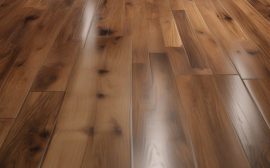
Introduction: Unlocking the Secrets to Long-Lasting Hardwood Beauty
Hardwood floors, a timeless symbol of elegance and warmth, elevate any home. However, their enduring beauty hinges on diligent hardwood floor maintenance that goes beyond the occasional sweep and mop. This comprehensive guide unveils the secrets to an advanced hardwood floor maintenance system, empowering homeowners to protect hardwood floors and ensure their floors remain stunning for generations. We’ll delve into the nuances of different wood types, advanced hardwood floor cleaning techniques, robust protection methods, preventative strategies, and expert hardwood floor repair solutions, all designed to extend hardwood floor life and preserve their aesthetic appeal.
According to the National Wood Flooring Association (NWFA), proper wood floor cleaning and maintenance can increase a floor’s lifespan by up to 50%. This isn’t just about aesthetics; it’s about protecting a significant investment. Many homeowners unknowingly damage their hardwood floors with improper cleaning products or techniques. This guide addresses these common pitfalls, offering practical, DIY-friendly solutions for optimal hardwood floor care. We’ll explore how to select the right cleaning solutions, understand the importance of pH neutrality, and master the art of stain removal without damaging the finish.
Beyond cleaning, this advanced system emphasizes proactive measures to minimize wear and tear. Strategically placed rugs, furniture pads, and humidity control play crucial roles in hardwood floor protection. As flooring expert and author, Michael Thompson, notes in his book, ‘The Complete Guide to Hardwood Floors,’ ‘Preventative care is the most cost-effective approach to maintaining hardwood floors. Addressing minor issues early prevents them from escalating into costly repairs.’ We’ll provide a detailed checklist of preventative measures, empowering homeowners to create a comprehensive maintenance plan.
This includes guidance on maintaining consistent humidity levels and selecting appropriate floor coverings for high-traffic areas. Even with meticulous care, accidents happen. This guide provides practical insights into hardwood floor repair, covering everything from minor scratch removal to more extensive repairs like plank replacement. We’ll explore the latest techniques for concealing scratches and dents, as well as step-by-step instructions for replacing damaged boards. Whether it’s addressing water damage, pet stains, or everyday wear and tear, this section equips homeowners with the knowledge and skills to restore their hardwood floors to their former glory. By understanding the principles of hardwood floor maintenance, homeowners can confidently extend the life and beauty of their floors, ensuring a lasting legacy of elegance and value.
Understanding Your Hardwood: Species and Finish Matters
Not all hardwood floors are created equal; therefore, understanding the nuances of your specific flooring is paramount for effective hardwood floor maintenance. Oak, celebrated for its durability and distinctive grain patterns, is a widely favored choice, yet it demands vigilant attention to moisture levels to prevent warping and cupping. Maple, distinguished by its smooth, light-colored surface, presents a different challenge, being more susceptible to scratches and dents from daily wear and tear. Recognizing these inherent differences is the first step in tailoring your hardwood floor cleaning and care routine to ensure longevity and preserve the aesthetic appeal of your investment.
Proper identification directly informs the selection of appropriate cleaning products and maintenance techniques. Engineered hardwood introduces another layer of complexity. Constructed with a veneer of real wood adhered to a plywood or composite core, it offers enhanced stability and improved resistance to moisture fluctuations compared to solid hardwood. This makes it a suitable option for areas prone to humidity changes, such as basements or kitchens. However, the thickness of the veneer is a critical factor, as it dictates the floor’s refinishing potential.
Thicker veneers allow for multiple sandings and refinishing cycles, effectively extending the hardwood floor life, while thinner veneers may only permit one or two. Understanding the veneer thickness is crucial when planning long-term hardwood floor repair and maintenance strategies, as it directly impacts the floor’s lifespan and potential for restoration. Choosing the right product from the start will help protect hardwood floors for years to come. The type of finish applied to your hardwood floor also significantly influences the appropriate cleaning and maintenance protocols.
Polyurethane finishes, prized for their durability and water resistance, create a robust protective layer that shields the wood from scratches, stains, and moisture damage. Oil-based finishes penetrate the wood, enhancing its natural beauty and providing a warm, inviting appearance. Wax finishes, while offering a classic sheen, require more frequent maintenance and are less resistant to water and stains. Each finish type necessitates specific cleaning products and techniques; using the wrong product can dull the finish, damage the wood, or leave behind unsightly residue. Always consult the manufacturer’s recommendations for your specific floor type and finish before applying any cleaning or protective treatments to ensure optimal hardwood floor protection and prevent irreversible damage. Consider professional hardwood floor care to extend hardwood floor life and maintain its original beauty.
The Advanced Cleaning Regimen: Beyond the Basics
Move beyond basic mopping with an advanced cleaning regimen. Start with regular vacuuming using a vacuum cleaner with a soft brush attachment designed for hardwood floors. Avoid vacuums with beater bars, which can scratch the finish. For deeper cleaning, use a microfiber mop and a pH-neutral hardwood floor cleaner. Avoid harsh chemicals, abrasive cleaners, and excessive water, which can damage the wood. For stubborn stains, identify the source and use targeted cleaning solutions. For example, mineral spirits can remove oily residues, while a diluted solution of vinegar and water can tackle water spots.
Always test any cleaning solution in an inconspicuous area first to ensure it doesn’t damage the finish. Consider professional cleaning services annually for a deep clean and to remove built-up grime. Effective hardwood floor maintenance hinges on understanding the nuances of wood floor cleaning and the specific finish applied. Surface finishes, like polyurethane, create a protective layer atop the wood, requiring gentler cleaning methods compared to penetrating oil finishes which necessitate periodic re-oiling. For polyurethane finishes, a slightly damp microfiber mop is ideal, ensuring no standing water remains, as excessive moisture can seep into the seams and cause warping.
When selecting a wood floor cleaning solution, verify it’s pH-neutral and specifically formulated for hardwood; avoid all-purpose cleaners that can leave a dulling residue. Regular vacuuming with the appropriate attachment is crucial to remove abrasive particles that can prematurely wear down the finish and diminish the luster of your hardwood floor. To extend hardwood floor life, proactive stain removal is essential. Promptly addressing spills prevents them from penetrating the finish and causing permanent discoloration. For water-based stains, blot the area immediately with a clean, dry cloth.
For oil-based stains, a paste of baking soda and water can be applied, left to dry, and then gently removed. More stubborn stains may require specialized hardwood floor repair products, but always test in an inconspicuous area first. Scratches, another common issue, can often be minimized with touch-up markers or wax sticks designed to match the floor’s color. For deeper scratches, consider a professional hardwood floor repair to avoid further damage. Ultimately, a comprehensive hardwood floor care strategy involves both regular cleaning and preventative measures to protect hardwood floors.
Strategic placement of rugs in high-traffic areas, such as entryways and hallways, can significantly reduce wear and tear. Investing in high-quality door mats can trap dirt and debris before they enter your home. Furthermore, maintaining consistent humidity levels within your home is crucial for preventing warping and cracking, particularly during seasonal changes. By diligently implementing these advanced cleaning and protection techniques, homeowners can safeguard their investment and ensure the enduring beauty of their hardwood floors for years to come. This holistic approach to hardwood floor protection minimizes the need for extensive repairs and refinishing, saving both time and money.
Advanced Protection: Coatings and Strategic Placement
Protecting your hardwood floors from wear and tear is crucial for long-term preservation, representing a significant investment in your home’s value and aesthetic appeal. Applying protective coatings is a proactive approach to extend hardwood floor life, creating a barrier against scratches, stains, and moisture penetration that can lead to costly repairs. Polyurethane and wax are two common options, each offering distinct advantages. Polyurethane, known for its exceptional durability and water resistance, is ideal for high-traffic areas and homes with pets or children.
Wax, on the other hand, provides a more natural sheen and is easier to repair if damaged, making it a suitable choice for those prioritizing aesthetics and ease of maintenance. Selecting the right coating is paramount, considering factors like the existing finish, the wood species, and the level of foot traffic the floor endures. Always consult with a flooring professional to determine the most appropriate option for your specific needs. Regular reapplication, as recommended by the manufacturer, is essential to maintain optimal protection.
This crucial step in hardwood floor maintenance significantly reduces the need for extensive hardwood floor repair in the future. Strategic placement of area rugs is another highly effective method to protect hardwood floors, particularly in high-traffic zones such as entryways, hallways, and beneath furniture. According to the National Wood Flooring Association (NWFA), area rugs can reduce wear and tear by as much as 80% in targeted areas. When selecting rugs, prioritize natural fibers like wool or cotton, as they are less likely to trap dirt and debris that can scratch the floor’s surface.
It’s equally important to use high-quality rug pads underneath to prevent slippage, which can cause friction and damage the finish over time. Rug pads also provide a cushioning effect, further minimizing the impact of foot traffic and preventing indentations from heavy furniture. Regularly cleaning your area rugs is also an important part of hardwood floor cleaning, as a dirty rug can transfer dirt and grit onto the floor, accelerating wear. Beyond coatings and rugs, implementing preventative measures offers comprehensive hardwood floor protection.
Consider felt pads under all furniture legs, even for items that are rarely moved. These pads create a buffer between the furniture and the floor, preventing scratches and dents when rearranging or simply using your furniture. Furthermore, maintaining consistent humidity levels within your home is critical for the long-term health of your hardwood floors. Fluctuations in humidity can cause wood to expand and contract, leading to warping, cracking, and gapping. Aim for a relative humidity level between 30% and 50%, using a humidifier or dehumidifier as needed to maintain this range. Regular hardwood floor care, including sweeping or vacuuming with a soft brush attachment, prevents the buildup of dirt and grit that can act as abrasives, further contributing to the longevity and beauty of your wood floor cleaning efforts and helping to extend hardwood floor life.
Preventative Maintenance: Minimizing Wear and Tear
Preventative maintenance is the cornerstone of long-lasting hardwood floor beauty. Implement these strategies to minimize wear and tear and proactively protect hardwood floors. Use furniture pads under all furniture legs to prevent scratches and dents. Opt for felt pads, which are readily available at most hardware stores, and replace them regularly as they wear down. Consider using wider pads for heavier furniture items, such as sofas and bookcases, to distribute the weight more evenly and further minimize the risk of indentation.
Regularly check and clean these pads, as embedded grit can also cause scratches. This simple step significantly contributes to extending hardwood floor life. Controlling humidity levels in your home is another critical aspect of hardwood floor care, preventing warping and cracking. Ideal humidity levels are between 30% and 50%. Invest in a reliable hygrometer to monitor humidity levels and use a humidifier during dry winter months and a dehumidifier during humid summer months to maintain the recommended range.
Excessive moisture can cause hardwood to swell and buckle, while overly dry conditions can lead to shrinkage and cracking. Engineered hardwood maintenance also benefits from stable humidity, though it’s generally more resistant to fluctuations than solid hardwood. Consistent humidity control is essential for preventing costly hardwood floor repair. Furthermore, implement a strict ‘no shoes’ policy or utilize doormats at all entrances to trap dirt, grit, and debris before they can be tracked onto your hardwood floors.
Encourage family members and guests to remove their shoes upon entering, and provide comfortable slippers or socks. Place large, absorbent doormats both inside and outside each entrance to capture as much dirt as possible. Regularly clean these mats to maintain their effectiveness. Promptly clean spills immediately to prevent staining and water damage; use a soft cloth to blot the spill, avoiding rubbing, which can spread the stain. For stubborn stains, use a pH-neutral wood floor cleaning solution specifically designed for hardwood floors. These preventative measures are essential for effective hardwood floor cleaning and minimizing the need for extensive hardwood floor repair. By prioritizing these simple habits, you actively contribute to hardwood floor protection and maintain their pristine condition for years to come.
Addressing Common Problems: Repair and Restoration Techniques
Even with the best hardwood floor maintenance, hardwood floors can experience problems like scratches, dents, and fading. Addressing these issues promptly is crucial to extend hardwood floor life and maintain their aesthetic appeal. For minor surface scratches, a hardwood floor repair kit containing color-matched stain pens or wax sticks can often work wonders. Gently buff the affected area following the kit’s instructions to conceal the scratch and restore the finish. Deeper scratches and dents may require a more involved approach.
Color-matched wood filler, carefully applied and smoothed, can fill the void. Once dry, lightly sand the filled area to blend it seamlessly with the surrounding wood before applying a touch-up finish. Remember to always test any repair product in an inconspicuous area first to ensure color compatibility. For significant damage, such as widespread scratches, gouges, or water damage, refinishing is often the best solution for wood floor repair. This involves sanding down the existing finish to bare wood, allowing you to address imperfections and even change the stain color.
Refinishing provides a fresh start, revitalizing the entire floor. After sanding, apply several coats of a high-quality polyurethane finish to protect hardwood floors from future wear and tear. This process, while transformative, requires specialized equipment and expertise. If you’re not comfortable with DIY projects, it’s best to consult with a professional hardwood floor repair specialist. They can assess the damage, recommend the appropriate course of action, and ensure a flawless, long-lasting result. Proper hardwood floor cleaning is also vital before and after any repair work.
Fading, caused by prolonged exposure to direct sunlight, is another common concern. Ultraviolet (UV) rays can break down the wood’s natural pigments, leading to discoloration. To mitigate fading, use window treatments like blinds, curtains, or UV-blocking window film to filter sunlight. Regularly rearrange rugs and furniture to prevent uneven fading patterns. Consider investing in a UV-resistant finish when refinishing your floors to provide an extra layer of hardwood floor protection. Regular inspections are key to identifying potential problems early.
Look for signs of moisture damage, such as cupping or buckling, and address them immediately to prevent further deterioration. Proactive hardwood floor care, including regular hardwood floor cleaning and preventative measures, will not only keep your floors looking their best but also prevent costly repairs down the line, ensuring your floors remain beautiful for years to come and maximizing the life of your engineered hardwood maintenance efforts. Remember, consistent attention to wood floor cleaning and general upkeep is the most effective way to protect hardwood floors.