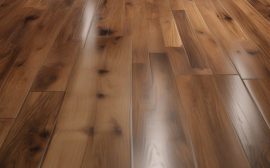
The Environmental Impact of Hardwood Flooring: A Comprehensive Guide
Hardwood floors are undeniably a popular choice among homeowners, celebrated for their inherent natural beauty, exceptional durability, and timeless aesthetic that complements a wide range of interior design styles. They are often viewed as an investment that adds significant value to a property. However, in an era of heightened environmental awareness, it’s crucial to acknowledge that the production and consumption of hardwood flooring carry a significant environmental impact, which cannot be ignored. This article aims to delve deep into the complex lifecycle of hardwood flooring, offering a comprehensive exploration of sustainable practices and responsible consumer choices, providing homeowners with the knowledge to make eco-conscious decisions. The journey of hardwood from forest to floor is complex, and understanding each stage is critical for promoting a more sustainable future for home building and renovation. The environmental footprint of hardwood flooring is a multifaceted issue that requires careful consideration from forest to floor. The process begins with the harvesting of trees and continues through manufacturing, transportation, installation, and finally, disposal or repurposing. Each phase presents opportunities for both environmental harm and positive change. For example, unsustainable logging practices can lead to deforestation and habitat loss, while inefficient manufacturing processes can contribute to greenhouse gas emissions. Recognizing these potential pitfalls is the first step toward making more informed and environmentally responsible choices when selecting flooring materials for your home. This article will also explore the environmental consequences of different hardwood species, helping consumers understand the implications of their choices.
For instance, slow-growing hardwoods may have a more significant environmental impact compared to faster-growing, sustainably sourced species. This is where certifications like the Forest Stewardship Council (FSC) become vital, as they assure consumers that the wood they are purchasing comes from responsibly managed forests. Furthermore, we will explore the potential of reclaimed wood and alternative flooring options like bamboo, which offer eco-friendly alternatives to traditional hardwood. Reclaimed wood, for instance, reduces the demand for newly harvested trees, while bamboo is a rapidly renewable resource, making it a sustainable choice for eco-conscious homeowners. These alternatives present exciting opportunities for those looking to minimize their environmental footprint while still achieving a beautiful and durable floor. Finally, the article will also emphasize the importance of proper maintenance and care for hardwood floors. By extending the lifespan of your flooring through regular upkeep, you can significantly reduce the need for replacements and minimize the overall environmental impact. This includes using eco-friendly cleaning products and taking steps to protect your floors from damage. Choosing sustainable hardwood flooring is not just about selecting a material; it’s about embracing a holistic approach to home improvement that prioritizes the environment. By making informed decisions, homeowners can contribute to a greener future without compromising on the beauty and durability of their floors. This article aims to provide the necessary information and tools to enable such informed choices, and encourage the use of eco-friendly flooring options.
Conclusion: Making Sustainable Choices
Making informed choices about hardwood flooring is crucial for minimizing environmental impact, a responsibility that resonates deeply within the realms of sustainable living and home improvement. By actively considering sustainable practices and embracing responsible consumption, we not only enhance our living spaces but also contribute to the preservation of our planet’s invaluable forests for future generations. This involves a multifaceted approach, starting with the selection of hardwood itself and extending to the very end of its lifecycle. It is about understanding that each decision, from choosing an FSC-certified product to opting for reclaimed wood, has a tangible impact on the environment. The journey towards eco-conscious flooring is a continuous process of learning and adapting to better practices.
When considering hardwood flooring, it’s essential to look beyond the initial aesthetic appeal and delve into the environmental implications of your choices.
Opting for products with FSC certification is a significant step, as it guarantees that the wood originates from forests managed with sustainability in mind, promoting biodiversity and responsible logging practices. However, the journey does not end there. The manufacturing processes, transportation distances, and installation methods all contribute to the overall environmental impact.
Choosing locally sourced materials, when possible, can significantly reduce the carbon footprint associated with transportation. Furthermore, employing low-VOC adhesives and sealants during installation reduces the emission of harmful chemicals, creating healthier indoor environments and further aligning with eco-friendly home improvement practices.
Exploring alternatives to traditional hardwood is another crucial aspect of responsible consumption within the flooring category. Reclaimed wood, for example, not only adds character and unique charm to a home but also diverts materials from landfills, reducing the demand for newly harvested timber. Bamboo flooring is also a viable option, as bamboo is a rapidly renewable resource, growing much faster than hardwood trees, making it a more sustainable choice. These alternatives offer homeowners the opportunity to embrace eco-friendly flooring solutions without compromising on style or durability. The key is to be informed, to research the options available, and to select materials that align with our values of sustainability and environmental stewardship.
The longevity of flooring also plays a significant role in its overall environmental impact. Proper maintenance and care can extend the lifespan of hardwood floors significantly, reducing the need for frequent replacements. Using appropriate cleaning products, avoiding harsh chemicals, and refinishing when necessary are all simple yet effective practices that minimize waste and reduce the demand for new materials. By focusing on durability and longevity, we can reduce the overall environmental footprint associated with our home improvement choices. This approach is particularly relevant for homeowners seeking long-term, sustainable solutions that contribute to the green building movement.
making sustainable choices in flooring is not just a trend but a responsibility that each of us has. It’s about understanding the interconnectedness of our actions and their impact on the environment. By choosing sustainable hardwood, exploring eco-friendly alternatives, and maintaining our floors properly, we actively participate in the movement towards a more sustainable future. Whether you are a homeowner, a contractor, or simply an environmentally conscious individual, understanding the environmental impact of hardwood flooring and taking steps to minimize it is a critical aspect of responsible living and home improvement.
Forest Management and Logging
Forest management and logging practices are absolutely crucial for the sustainability of hardwood flooring. Sustainable forestry seeks to find a balance between maintaining the health and biodiversity of our forests while also meeting the demand for wood products. This delicate balance requires careful planning and execution, considering the long-term health of the ecosystem, including wildlife habitats, soil stability, and water quality. Irresponsible logging practices can lead to deforestation, habitat loss, and soil erosion, impacting not only the environment but also local communities that depend on these resources. Sustainable forestry, on the other hand, aims to minimize these negative impacts by employing selective harvesting, reforestation efforts, and minimizing disruption to the forest ecosystem.
For example, the Forest Stewardship Council (FSC) certification ensures that wood products come from responsibly managed forests, providing consumers with an eco-conscious choice. Choosing FSC-certified hardwood flooring contributes directly to the preservation of forests for future generations. One real-world example of sustainable forestry is the use of reduced-impact logging techniques. These methods minimize damage to surrounding trees and soil, preserving the forest structure and its ability to regenerate naturally. This includes practices like directional felling, where trees are guided to fall in a specific direction to reduce damage, and the use of specialized equipment that minimizes soil compaction. Another key aspect of sustainable forest management is reforestation. Replanting trees after harvesting ensures a continuous cycle of growth and maintains the forest’s carbon sequestration capacity, crucial in mitigating climate change.
That said, many companies committed to sustainability plant more trees than they harvest, contributing to an overall increase in forest cover. Furthermore, sustainable forestry practices often incorporate the needs of local communities, ensuring that their livelihoods are not negatively impacted by logging activities. This can involve providing employment opportunities in sustainable forestry and supporting community-based forest management initiatives.
By choosing hardwood flooring from sustainably managed forests, consumers can support these responsible practices and contribute to the long-term health of our planet. understanding the origin of your hardwood flooring is a vital step in making an environmentally responsible home improvement choice. Looking for certifications like the FSC and supporting companies committed to sustainable practices ensures that your beautiful new floor contributes to a healthier planet, rather than its depletion.
This aligns with the growing trend of green building and eco-friendly living, where consumers are increasingly seeking sustainable and ethically sourced materials for their homes.
Manufacturing Processes and Their Impact
The manufacturing process of hardwood flooring involves several stages, each with its own set of environmental considerations. From the initial sawing of logs at the sawmill to the final finishing touches, every step has an impact. Energy consumption and waste generation are key factors that influence the overall environmental footprint of hardwood flooring. Sawmills consume significant energy for powering machinery like saw blades and drying kilns. Optimizing these processes through technological advancements and responsible energy sourcing can contribute to more sustainable manufacturing. For instance, some mills are now using biomass boilers powered by wood waste to reduce their reliance on fossil fuels, aligning with eco-friendly living principles.
Furthermore, minimizing wood waste during the milling process is crucial. Innovative techniques like precision sawing and optimized cutting patterns can maximize material usage and reduce waste, contributing to both economic and environmental sustainability. The drying process, essential for preventing warping and ensuring product stability, is another energy-intensive stage. Exploring energy-efficient drying methods, such as solar-powered kilns or dehumidification systems, can significantly reduce environmental impact.
The next stage involves further processing and shaping of the wood into flooring planks. This often includes planing, sanding, and potentially the creation of engineered hardwood flooring, which involves layering wood veneers for enhanced stability. Each of these steps generates wood dust and other byproducts. Implementing dust collection systems and exploring opportunities to recycle or repurpose these byproducts, such as using them in composite wood products, contributes to sustainable manufacturing practices.
Finally, the finishing process adds a protective layer to the flooring, enhancing its durability and aesthetics. Traditional finishes often contain volatile organic compounds (VOCs) that contribute to air pollution. Opting for low-VOC or VOC-free finishes is a crucial step towards creating a healthier home environment and minimizing the overall environmental impact of the flooring.
Consumers interested in home improvement projects can look for certifications like GreenGuard, which indicates low VOC emissions, contributing to both personal and planetary well-being. By carefully considering the environmental implications at each stage, from sawmill to finishing, manufacturers and consumers can make informed choices that promote sustainable practices within the flooring industry.
Choosing flooring from companies committed to responsible sourcing and manufacturing demonstrates a commitment to eco-friendly living and supports a healthier future for our forests.
Transportation's Carbon Footprint
The transportation of hardwood flooring materials represents a significant, yet often overlooked, contributor to its overall environmental impact. The journey from forest to factory and then to your home involves various modes of transport, each with its own carbon footprint. Analyzing both the distance traveled and the chosen method of transportation is critical when assessing the true environmental cost of your hardwood flooring. For example, sourcing hardwood from a distant location, even if sustainably harvested, can negate some of the environmental benefits if it requires extensive shipping by truck or cargo ship. This highlights the importance of considering the entire supply chain when evaluating the sustainability of hardwood flooring.
When considering the environmental impact of transportation, it’s essential to look beyond just the distance. Different modes of transport have vastly different carbon emissions per ton-mile.
Air freight, while fast, is by far the most carbon-intensive option, making it unsuitable for eco-conscious consumers. Ocean freight, although slower, is significantly more efficient for long distances. Trucking, often used for the final leg of the journey, also contributes to emissions, particularly when older, less efficient vehicles are used.
Even so, therefore, opting for hardwood flooring sourced from closer regions, or choosing suppliers who prioritize efficient transport methods, can make a considerable difference in reducing the overall environmental impact. For those undertaking a home improvement project, this might mean researching where the wood is sourced and asking suppliers about their transport practices. This is a key step for those seeking eco-friendly flooring options.
Furthermore, the type of fuel used in transportation also plays a role. The use of biodiesel or other alternative fuels can reduce the carbon footprint of trucking and shipping. Some companies are now exploring ways to optimize their logistics, using route planning software and load consolidation to minimize fuel consumption. These efforts, although sometimes invisible to the consumer, are important steps in making the hardwood flooring industry more sustainable. As consumers, we can support these practices by choosing companies that are transparent about their supply chains and committed to reducing their environmental footprint. This aligns perfectly with the principles of green building and encourages the adoption of sustainable practices throughout the industry.
Beyond the direct emissions from transport, there are also indirect impacts to consider. The infrastructure required for transportation, such as roads and ports, also have an environmental cost. Additionally, the packaging used to protect flooring during transport can generate waste. Choosing flooring with minimal packaging and supporting companies that use recycled materials can help reduce this impact. Consumers should also consider the impact of their own transportation when picking up flooring, opting for carpooling or public transportation where possible. By considering the full scope of the transportation process, consumers can make more informed choices that support sustainable forestry and eco-friendly flooring options.
Finally, understanding the transportation aspect of hardwood flooring ties directly into the broader conversation about sustainable forestry and FSC certification. While a product might be certified, the transportation of that product can still contribute to its overall environmental impact. This underscores the need for a holistic view of sustainability that considers all aspects of a product’s lifecycle. By considering the distance and methods of transport, consumers can make better-informed choices and support companies that prioritize environmental responsibility at every stage of the process. This is crucial for those looking to incorporate sustainable practices into their home improvement projects and contribute to a more eco-friendly future. For those seeking alternatives, reclaimed wood and bamboo flooring offer options that can reduce the demand for newly harvested timber and potentially reduce transportation distances.
Installation and Waste Management
The environmental impact of hardwood flooring extends beyond the sourcing and manufacturing stages, reaching into the installation process itself. Traditional installation practices can contribute to environmental concerns through the use of volatile organic compounds (VOCs) in adhesives, as well as the generation of installation waste. Opting for low-VOC or zero-VOC adhesives is a crucial step towards minimizing indoor air pollution and promoting a healthier home environment. These adhesives release significantly fewer harmful chemicals into the air during and after installation, reducing potential health risks for both installers and homeowners. Look for adhesives that are certified by reputable organizations like GreenGuard or FloorScore, which test and verify low VOC emissions. Responsible disposal of installation waste, such as offcuts and packaging, is another key consideration. Recycling programs for wood waste are becoming increasingly available, offering an eco-friendly alternative to landfill disposal. In some cases, wood scraps can be repurposed for other projects or used as biomass fuel. By minimizing waste and choosing appropriate disposal methods, consumers can further reduce the environmental footprint of their hardwood flooring.
Proper subfloor preparation plays a vital role in both the longevity and environmental performance of hardwood floors. Ensuring a level and moisture-free subfloor can prevent issues like buckling and warping, which can lead to premature replacement and increased waste. Utilizing sustainable subfloor materials, such as recycled wood or engineered wood products with low formaldehyde emissions, further enhances the overall eco-friendliness of the flooring project. The installation method itself can also influence environmental impact. Nail-down installations, while common, can generate noise pollution and create dust. Glue-down installations, when paired with low-VOC adhesives, offer a quieter and potentially less disruptive option. Click-lock or floating floor installations minimize the need for adhesives altogether, reducing VOC emissions and simplifying the installation process, making them a potentially more sustainable choice. By considering these factors, homeowners can ensure that the installation of their hardwood flooring aligns with their sustainability goals, contributing to both a healthier home and a healthier planet. From material choices to waste management, every step in the installation process offers opportunities to minimize environmental impact and maximize the long-term benefits of beautiful, durable hardwood flooring.
Sustainable Forestry Certifications
Sustainable forestry certifications are essential for homeowners aiming to make environmentally responsible choices when selecting hardwood flooring. Certifications like the Forest Stewardship Council (FSC) and the Programme for the Endorsement of Forest Certification (PEFC) establish standards for responsible forest management, ensuring that wood sourcing balances ecological preservation with economic sustainability. These programs verify that forests are maintained in a way that protects biodiversity, prevents deforestation, and supports the long-term health of ecosystems.
For consumers, understanding these certifications is key to aligning flooring purchases with personal environmental values. By opting for FSC or PEFC-certified products, homeowners directly contribute to conservation efforts, as these labels guarantee wood comes from responsibly managed sources. This choice not only reduces the environmental footprint of home improvement projects but also supports sustainable livelihoods for forest-dependent communities. The visible FSC or PEFC labels on flooring products serve as a reliable indicator of ethical sourcing, empowering consumers to make informed decisions that reflect their commitment to green building practices.
Beyond the global recognition of FSC and PEFC, numerous regional and national certification programs also promote sustainable forestry. These localized initiatives often address specific environmental concerns, such as protecting endangered species or enhancing carbon sequestration in forests. For instance, some certifications prioritize the preservation of rare habitats, while others focus on mitigating climate change through improved forest carbon storage. Homeowners can research these diverse options to identify certifications that align with their unique sustainability goals. By considering the specific priorities of different programs, consumers can select hardwood flooring that not only meets their aesthetic and functional needs but also supports targeted conservation efforts. This level of awareness ensures that flooring choices contribute meaningfully to broader environmental objectives, whether through biodiversity protection or carbon reduction strategies.
Sustainable forestry practices themselves play a critical role in maintaining healthy ecosystems. Methods like selective logging and reforestation ensure that harvested trees are replaced, allowing forests to regenerate and continue providing ecological benefits. These practices help prevent soil erosion, maintain water cycles, and support wildlife habitats. In the context of home improvement, choosing sustainably harvested hardwood reduces the demand for illegally or unsustainably sourced wood, which is often linked to habitat destruction and climate change. Additionally, certified wood products contribute to healthier indoor environments by minimizing exposure to harmful chemicals and promoting non-toxic building materials. By prioritizing certified hardwood, homeowners actively participate in preserving forest ecosystems while enhancing the aesthetic and functional value of their living spaces.
The broader impact of certified hardwood flooring extends beyond individual homes to global environmental health. Deforestation driven by irresponsible wood sourcing exacerbates climate change, disrupts ecosystems, and threatens species survival. By contrast, sustainable forestry certified by recognized programs helps counteract these issues by ensuring forests remain carbon sinks and biodiversity hotspots. For homeowners, this means that every certified flooring purchase is a step toward mitigating large-scale environmental degradation. Moreover, the economic benefits of sustainable forestry—such as job creation in forest management and processing—further underscore its value. As consumer demand for certified products grows, these programs gain momentum, reinforcing the industry’s shift toward ecological responsibility. Selecting FSC or PEFC-certified hardwood flooring is a practical, impactful way for homeowners to align their personal choices with global sustainability efforts, creating a positive ripple effect on both local and planetary scales.
Hardwood Species and Their Sustainability
The sustainability of hardwood flooring begins with the choice of species, which directly influences environmental impact. Growth rates are a primary factor, as fast-growing trees like maple and birch can be replenished more quickly than slow-growing species such as certain oaks or exotic hardwoods. These slower-growing options often require extended periods to mature, increasing pressure on forest resources. Additionally, wood density plays a role; denser woods like Brazilian cherry, while durable, are frequently sourced from regions with lax sustainable forestry practices. Their extraction can contribute to habitat destruction and higher carbon emissions due to longer transportation distances. Understanding these variables is critical for selecting eco-friendly hardwood options that balance durability with environmental responsibility.
Availability and sourcing practices further define a species’ sustainability. Species from old-growth forests or regions experiencing deforestation are becoming scarce, making them less viable choices. Prioritizing abundant species from sustainably managed forests, particularly those certified by the Forest Stewardship Council (FSC), ensures responsible sourcing. FSC certification guarantees that harvesting practices protect ecological health and forest longevity. This approach not only reduces ecosystem strain but also supports biodiversity by minimizing habitat disruption. Selecting such species aligns flooring projects with broader conservation goals while maintaining material quality.
The environmental footprint extends beyond harvesting to processing and transportation. Exotic hardwoods often require long-distance shipping, significantly increasing greenhouse gas emissions. In contrast, locally sourced hardwoods reduce transport-related emissions and energy use. Some species also demand energy-intensive processing or finishing, adding to their carbon footprint. A comprehensive assessment must consider the entire lifecycle of the wood, from growth to installation, to accurately gauge its sustainability. This holistic view helps identify options that minimize ecological harm across all stages.
Certain hardwood species are linked to illegal logging and habitat destruction, particularly in tropical regions. Teak and mahogany, for example, are frequently associated with unsustainable practices that threaten ecosystems. To mitigate this, alternatives like reclaimed wood or bamboo flooring offer viable solutions. Reclaimed wood repurposes existing materials, preventing waste and reducing the need for new harvests. Bamboo, a rapidly renewable grass, provides durability and environmental benefits as a sustainable alternative. These options help reduce demand for endangered species and promote circular resource use.
Even so, the most sustainable hardwood choice requires evaluating multiple factors. Growth rate, availability, harvesting methods, processing efficiency, and transportation logistics all contribute to a species’ overall impact. By favoring FSC-certified, locally available species with minimal processing needs, homeowners can reduce environmental harm while enjoying natural wood’s aesthetic and functional benefits. Incorporating reclaimed wood or bamboo further enhances sustainability, supporting eco-friendly living and aligning with green building standards.
Eco-Friendly Alternatives to Traditional Hardwood
For homeowners seeking to minimize the environmental impact of their flooring choices, several eco-friendly alternatives to traditional hardwood flooring present compelling options. Reclaimed wood, for example, offers a unique blend of character and sustainability. By repurposing wood from old buildings, barns, or even industrial sites, reclaimed wood reduces the demand for newly harvested timber, thus helping to preserve forests and reduce the carbon footprint associated with logging and manufacturing. The use of reclaimed wood aligns perfectly with the principles of a circular economy, where resources are reused and repurposed rather than discarded. Furthermore, reclaimed wood often boasts a rich history and patina, adding a distinctive aesthetic to any home, which is a key consideration for those interested in home improvement. The sourcing of reclaimed wood is important, ensuring it comes from responsible sources and is free of harmful chemicals or treatments.
Bamboo flooring stands out as another popular eco-conscious choice. Bamboo is technically a grass, not a wood, and its rapid growth rate makes it a highly renewable resource. Unlike hardwoods that can take decades to mature, bamboo can be harvested in just a few years, significantly reducing the strain on forest ecosystems. However, it is crucial to consider the sourcing and manufacturing processes of bamboo flooring. Look for bamboo flooring that is certified by organizations that ensure sustainable harvesting and manufacturing practices. The environmental impact can vary based on transportation distances and processing methods, so choosing a product with a lower carbon footprint is important. Bamboo flooring offers a modern aesthetic and is often more affordable than traditional hardwood, making it an attractive option for homeowners on a budget. It’s also known for its durability and resistance to moisture, making it suitable for various areas of the home.
Beyond reclaimed wood and bamboo, other eco-friendly flooring materials include cork, linoleum, and even some types of engineered wood that utilize sustainable practices and materials. Cork flooring, derived from the bark of cork oak trees, is a renewable resource that can be harvested without harming the tree itself. This makes it a particularly sustainable choice. Linoleum, made from natural materials like linseed oil, pine resin, and wood flour, is biodegradable and doesn’t emit harmful volatile organic compounds (VOCs). When considering engineered wood options, look for products certified by the Forest Stewardship Council (FSC), which ensures the wood comes from responsibly managed forests. These alternatives provide a wide range of aesthetic and functional options, allowing homeowners to find a suitable flooring solution that aligns with their sustainability goals. Understanding the pros and cons of each option, including their life cycle assessments, is essential for making informed decisions.
The selection of eco-friendly flooring is not just about choosing the right material; it’s also about supporting sustainable practices throughout the supply chain. When making purchasing decisions, consider the origin of the materials, the manufacturing processes, and the transportation distances involved. Look for products with transparent supply chains and certifications that guarantee environmental responsibility. By being mindful of these factors, consumers can actively contribute to a more sustainable and eco-friendly approach to home improvement. The goal is to reduce the demand for newly harvested hardwoods, minimize carbon emissions, and promote responsible consumption. Choosing eco-friendly flooring options is a significant step towards creating greener and healthier homes.
The choice between traditional hardwood and eco-friendly alternatives depends on individual needs, preferences, and budget. However, by carefully evaluating the environmental impact of each option, consumers can make informed decisions that align with their values and contribute to a more sustainable future. The growing demand for eco-friendly flooring is driving innovation in the industry, leading to the development of new and improved materials that are both beautiful and environmentally responsible. With a range of options available, homeowners can now easily find flooring solutions that not only enhance their homes but also protect the planet.
Maintenance and Care for Longevity
Extending the lifespan of your hardwood floors is a key aspect of sustainable home improvement. Regular maintenance not only preserves the beauty and value of your investment but also significantly reduces the environmental impact associated with producing and transporting replacement materials. By implementing simple yet effective care practices, you can contribute to a greener lifestyle while enjoying the enduring elegance of hardwood flooring.
One of the most impactful practices is regular cleaning to prevent the buildup of dirt and grit that can scratch and dull the floor’s finish. Sweeping or vacuuming with a soft-bristled attachment a few times a week minimizes abrasive wear and tear. For deeper cleaning, use a damp mop with a wood floor cleaner specifically designed to protect the finish and avoid excessive moisture, which can damage the wood. Placing mats at entrances and exits helps trap dirt and debris before they reach the hardwood, further reducing the need for intensive cleaning. Protecting your hardwood floors from direct sunlight is crucial for maintaining their color and preventing premature aging.
Furniture pads are another simple yet effective way to prevent scratches and dents. These small pads create a barrier between furniture legs and the floor, minimizing the impact of everyday movement and preserving the surface of your hardwood. Additionally, consider area rugs in high-traffic areas to provide extra protection and reduce wear and tear. Refinishing hardwood floors offers a sustainable alternative to full replacement. When the finish becomes worn or damaged, sanding down the existing surface and applying a new coat of finish can revitalize the floor’s appearance and extend its lifespan for many years. This process consumes fewer resources than manufacturing and installing new flooring, making it an environmentally responsible choice.
Choosing low-VOC finishes further minimizes your environmental footprint by reducing the release of harmful volatile organic compounds into your home. By adopting these maintenance practices, you not only preserve the aesthetic appeal and value of your hardwood floors but also actively participate in sustainable home improvement. These simple steps contribute to a healthier home environment and reduce the demand for new resources, aligning with eco-friendly living principles. Remember, proper care translates to longevity, reducing the overall environmental impact of your flooring choice and supporting responsible forestry practices. Furthermore, exploring sustainable forestry certifications like the Forest Stewardship Council (FSC) when initially selecting your hardwood flooring can ensure that the wood comes from responsibly managed forests, further amplifying the positive environmental impact of your choice. Combining responsible sourcing with diligent maintenance creates a comprehensive approach to sustainable flooring choices.